


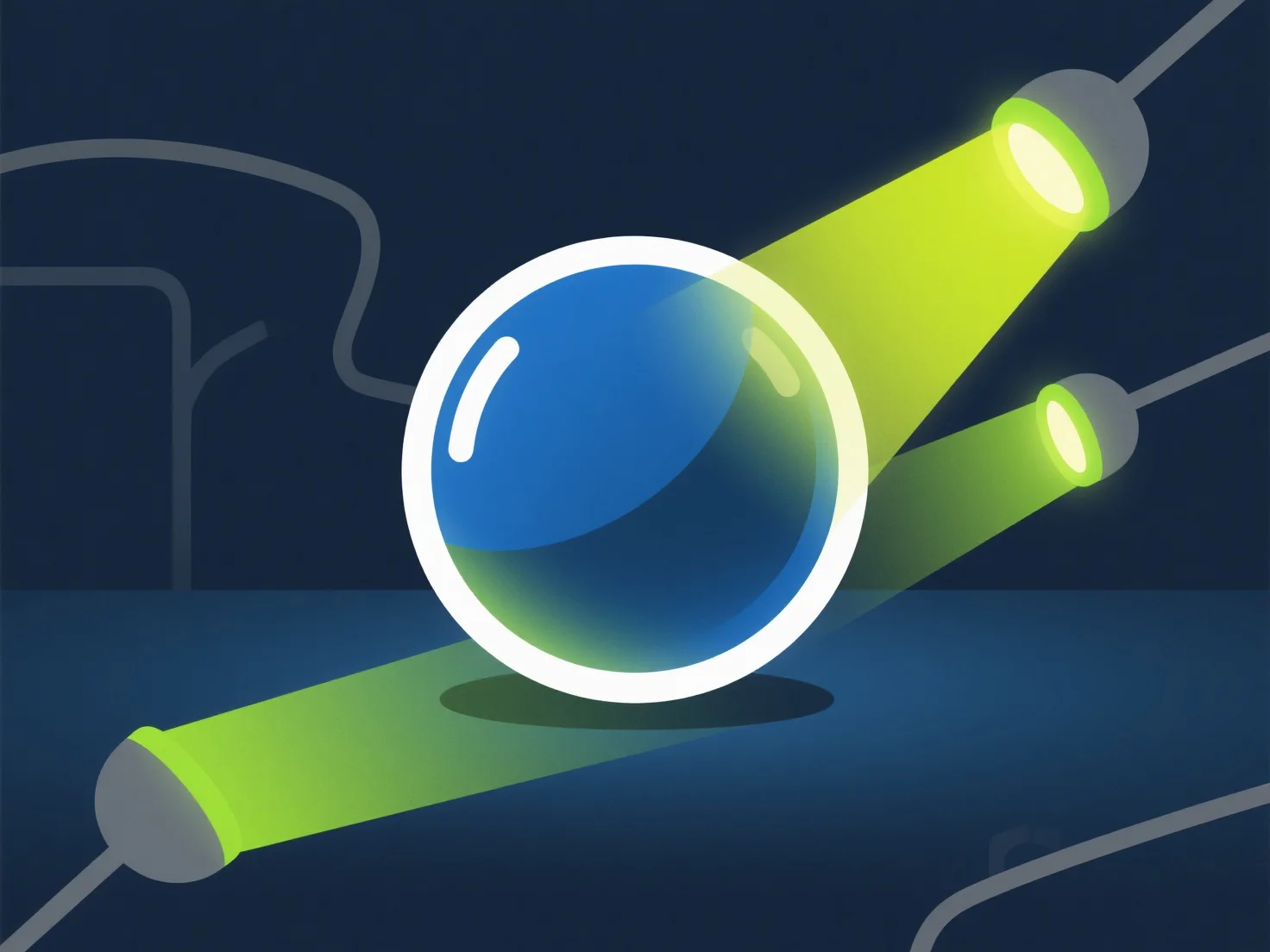
렌더링에서 3D 조명의 기본 원리는 객체의 현실성을 향상시키기 위해 실제 조명 행동을 시뮬레이션하는 데 초점을 맞춘다. 주요 요소로는 광원 유형, 강도, 색상, 방향 및 그림자 형성이 있다.
- **조명원 유형**: 서로 다른 조명원(예: 포인트 라이트, 방향 라이트, 영역 라이트)은 조명의 형태를 결정합니다. 포인트 라이트는 단일 지점에서 방출되고, 방향 라이트는 태양빛을 모방하며, 영역 라이트는 자연스러운 효과를 위해 가장자리를 부드럽게 처리합니다. - **강도와 색상**: 밝기는 가시성을 제어하며, 색상(따뜻/차갑)은 분위기를 조성합니다. 이러한 요소들을 조정하면 조명 영역과 그림자 영역 사이에 대조를 만들고, 세부사항을 강조할 수 있습니다. - **방향과 그림자**: 조명 방향은 깊이를 정의합니다.
이 요소들을 3D 도구에서 연습하는 것은 생생하고 전문적인 렌더링을 달성하는 데 도움이 됩니다.