Home/Hitem3D FAQ/What are common forms of 3D implementation in e-commerce?

What are common forms of 3D implementation in e-commerce?

E-commerce uses 3D models, 360 views, AR try-ons, and configurators to enhance product visualization and bridge online-offline gaps.

What are common forms of 3D implementation in e-commerce?

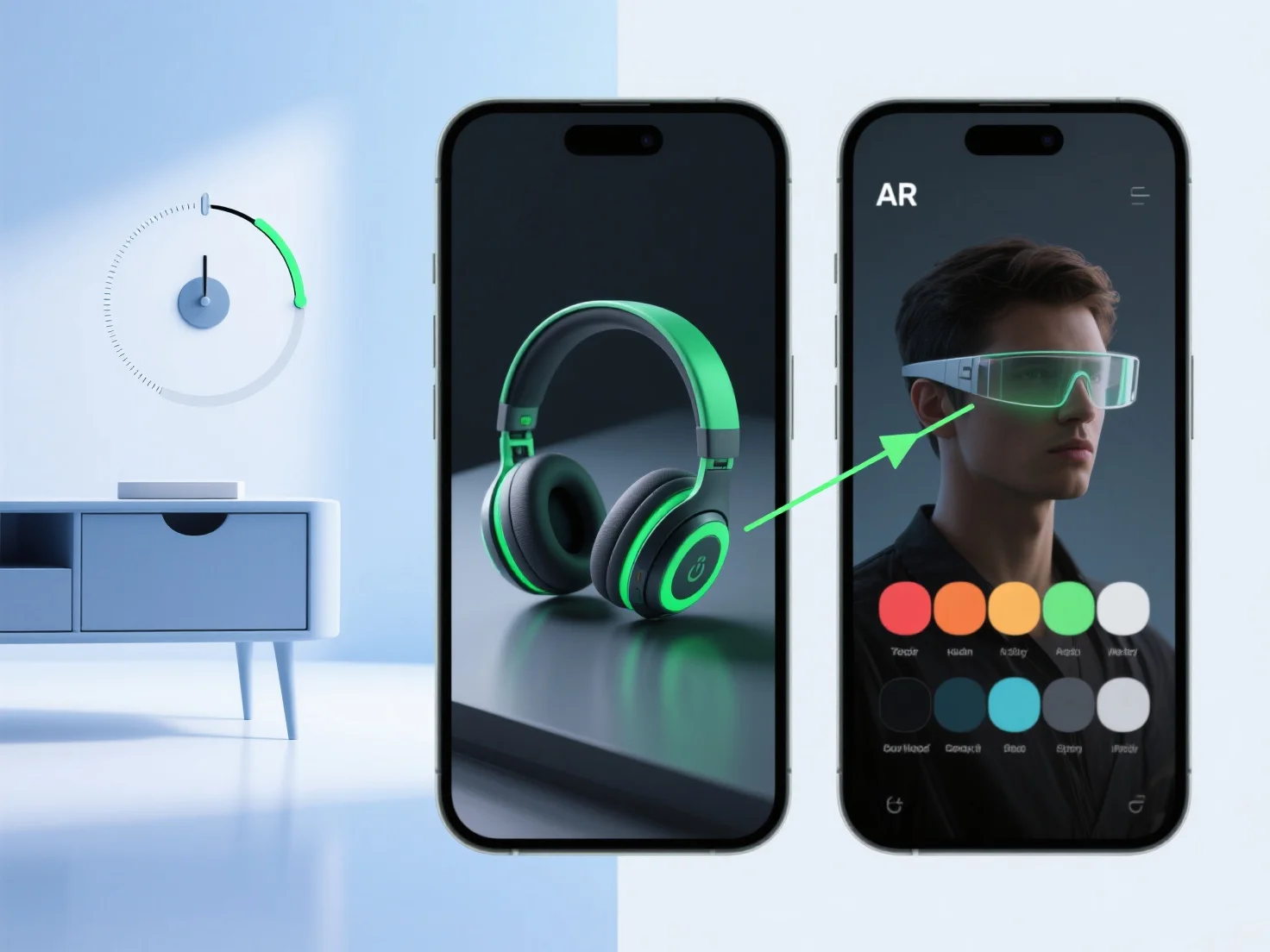
Common forms of 3D implementation in e-commerce include 3D product models, 360-degree interactive views, AR try-on tools, and virtual product configurators, all aimed at enhancing product visualization and narrowing the online-offline experience gap.

1. 3D product models: Offer detailed 360° rotations and zoom, letting users inspect textures, dimensions, and features closely—ideal for complex items like electronics or furniture. 2. 360-degree interactive views: Simple to produce with sequential images, showing products from all angles; a low-cost entry point for small businesses new to 3D tech. 3. AR try-on tools: Use augmented reality to simulate product use (e.g., virtual jewelry fitting, makeup trials), boosting engagement and reducing returns. 4. Virtual product configurators: Let customers customize products (color, material, parts) in real time, visualizing personalized options before buying.

These implementations make online products more tangible, driving conversion, reducing uncertainty, and elevating overall shopping satisfaction.

PreviousNext
제품
웹 스튜디오
API 플랫폼
기능
이미지를 3D로
멀티뷰를 3D로
릴리프
세그멘테이션
모델
일반 모델
인물 모델
리소스
블로그
FAQ
API 문서
회사 소개
가격