Home/Hitem3D FAQ/How does the composition of a 3D model affect its performance in real-time applications?

How does the composition of a 3D model affect its performance in real-time applications?

3D model composition elements (polygon count, texture size, geometric complexity) affect real-time performance, optimized by balancing these factors.

How does the composition of a 3D model affect its performance in real-time applications?

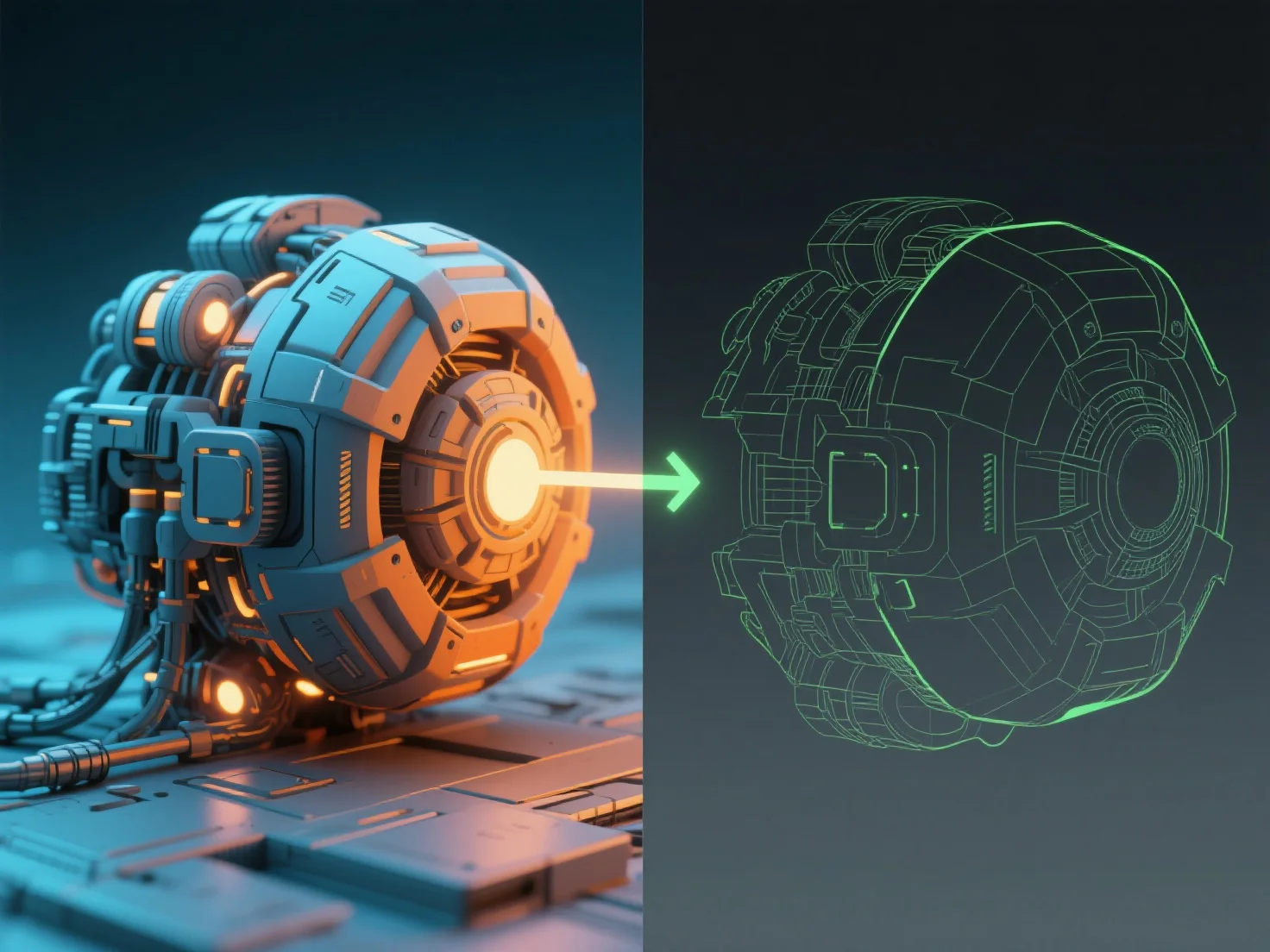
The composition of a 3D model—including polygon count, texture size, and geometric complexity—directly affects real-time performance: higher complexity increases rendering load, leading to slower frame rates, lag, or stuttering.

Key composition elements and their impacts: - Polygon count: Excessive polygons strain the GPU, causing frame drops in games or AR/VR; reducing non-essential polygons improves processing speed. - Texture size: Large, uncompressed textures increase memory usage, slowing loading and rendering; compressed/lower-resolution textures ease this burden. - Geometric details: Overly intricate shapes (e.g., detailed edges) require more GPU calculations, leading to lag in simulations; simplifying non-critical details boosts efficiency.

To optimize, balance composition by reducing polygons, using compressed textures, or implementing level-of-detail (LOD) techniques to maintain real-time performance.

PreviousNext
제품
웹 스튜디오
API 플랫폼
기능
이미지를 3D로
멀티뷰를 3D로
릴리프
세그멘테이션
모델
일반 모델
인물 모델
리소스
블로그
FAQ
API 문서
회사 소개
가격