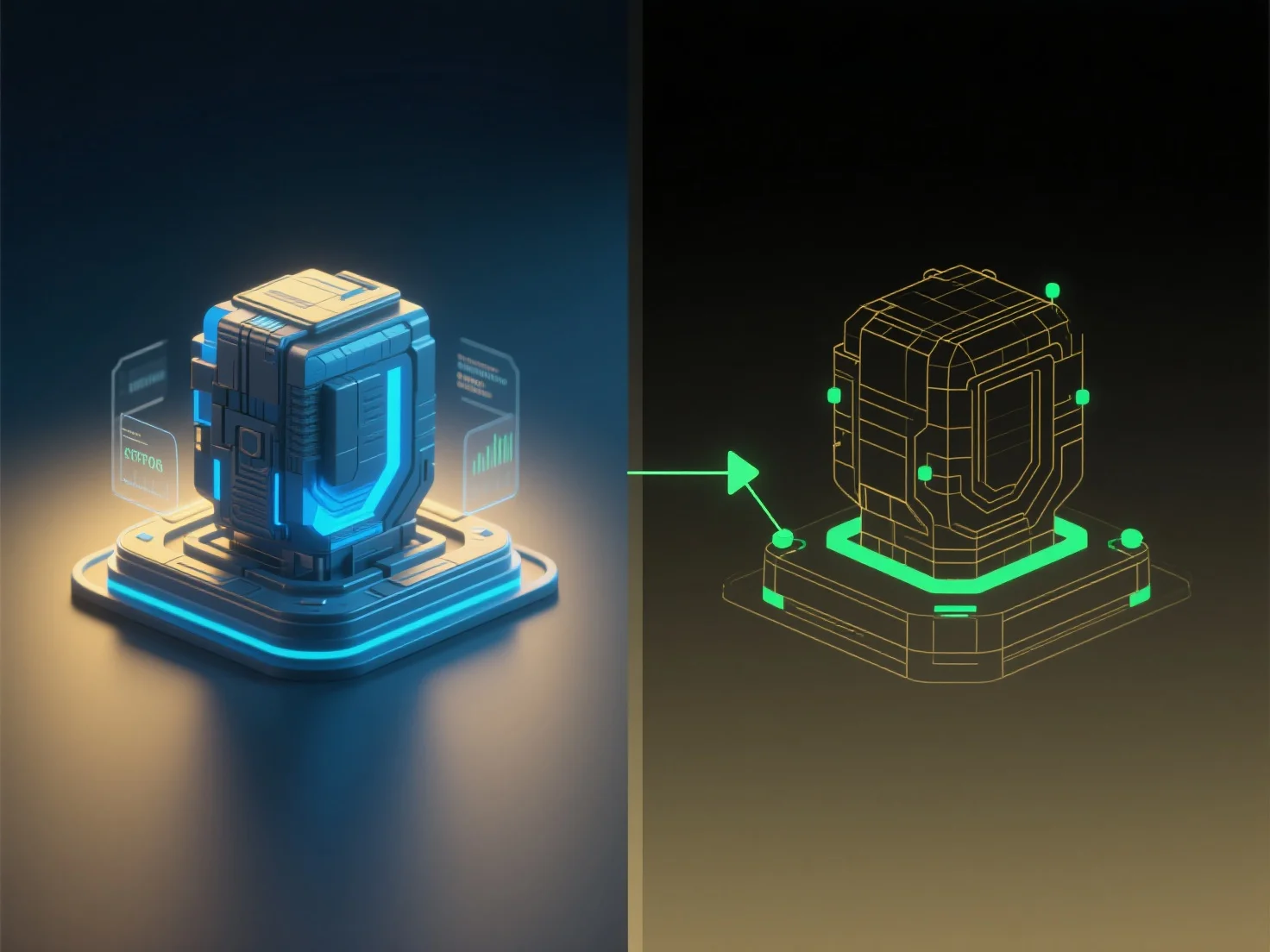
Real-time rendering shifts the 3D quality-efficiency balance by prioritizing rendering speed for interactivity, using technical optimizations to maintain acceptable visual quality without sacrificing performance.
Key strategies include: - **Dynamic detail adjustments**: Simplified textures, level-of-detail (LOD) models, or reduced polygon counts to lower rendering load while preserving core visual integrity. - **Adaptive lighting/shading**: Optimized shaders or real-time lighting approximations (e.g., baked lighting) to cut computational demands, balancing realism and speed. - **Hardware-software synergy**: Leveraging GPU acceleration and efficient APIs (e.g., Vulkan, DirectX) to boost frame rates, ensuring smooth interaction even with complex scenes.
This balance enables interactive 3D applications like games and AR/VR, where responsiveness is critical, by merging speed and quality into a cohesive user experience.
