


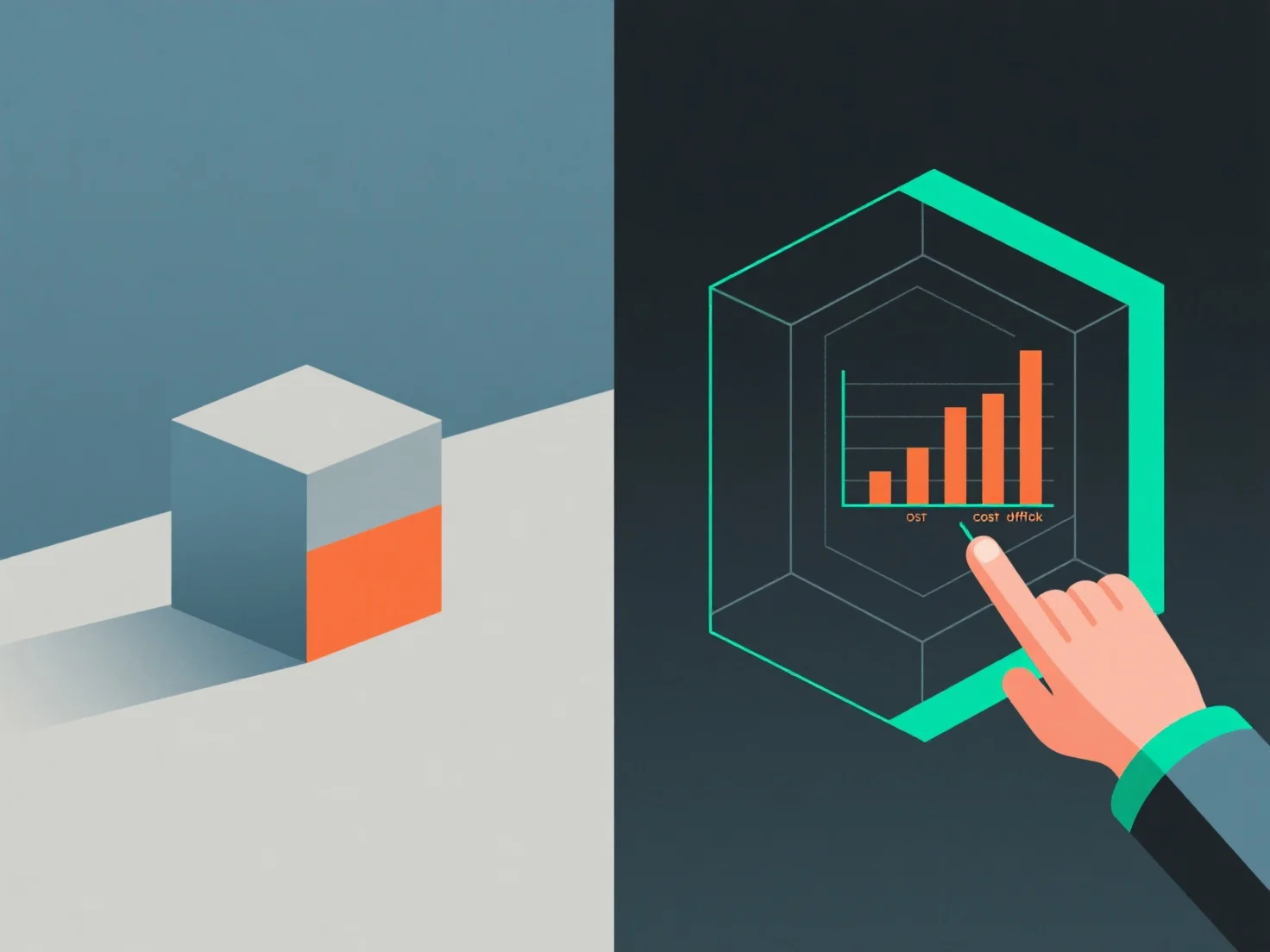
대화식 3D는 추가적인 개발 작업과 기술적 요구 사항이 포함되기 때문에, 일반적으로 정적 3D보다 더 높은 예산이 필요합니다.
- **사용자 상호 작용을 위한 프로그래밍**: 정적인 3D와는 달리, 대화식 3D는 사용자의 입력(예: 클릭, 스와이프, 회전)을 처리하기 위한 코딩이 필요하며, 이로 인해 프로그래밍 비용이 발생합니다. - **실시간 렌더링 최적화**: 기기별로 원활한 성능을 보장하기 위해 개발자는 3D 모델과 애니메이션을 최적화해야 하며, 이는 전문적인 기술과 시간을 요구합니다. - **상호 작용 로직 테스트**: 사용자 흐름, 에지 사례 및 크로스 디바이스 호환성 테스트는 테스트 노력과 비용을 증가시킵니다.
요약하자면, 프로그래밍, 최적화, 테스트에 대한 추가적인 단계 때문에 대화식 3D는 정적 3D보다 예산이 더 많이 들게 됩니다.