Home/Hitem3D FAQ/How does a 3D modeler create models for augmented reality applications?

How does a 3D modeler create models for augmented reality applications?

A 3D modeler creates AR 3D models by defining constraints, optimizing details, exporting in friendly formats, and testing in AR environments.

How does a 3D modeler create models for augmented reality applications?

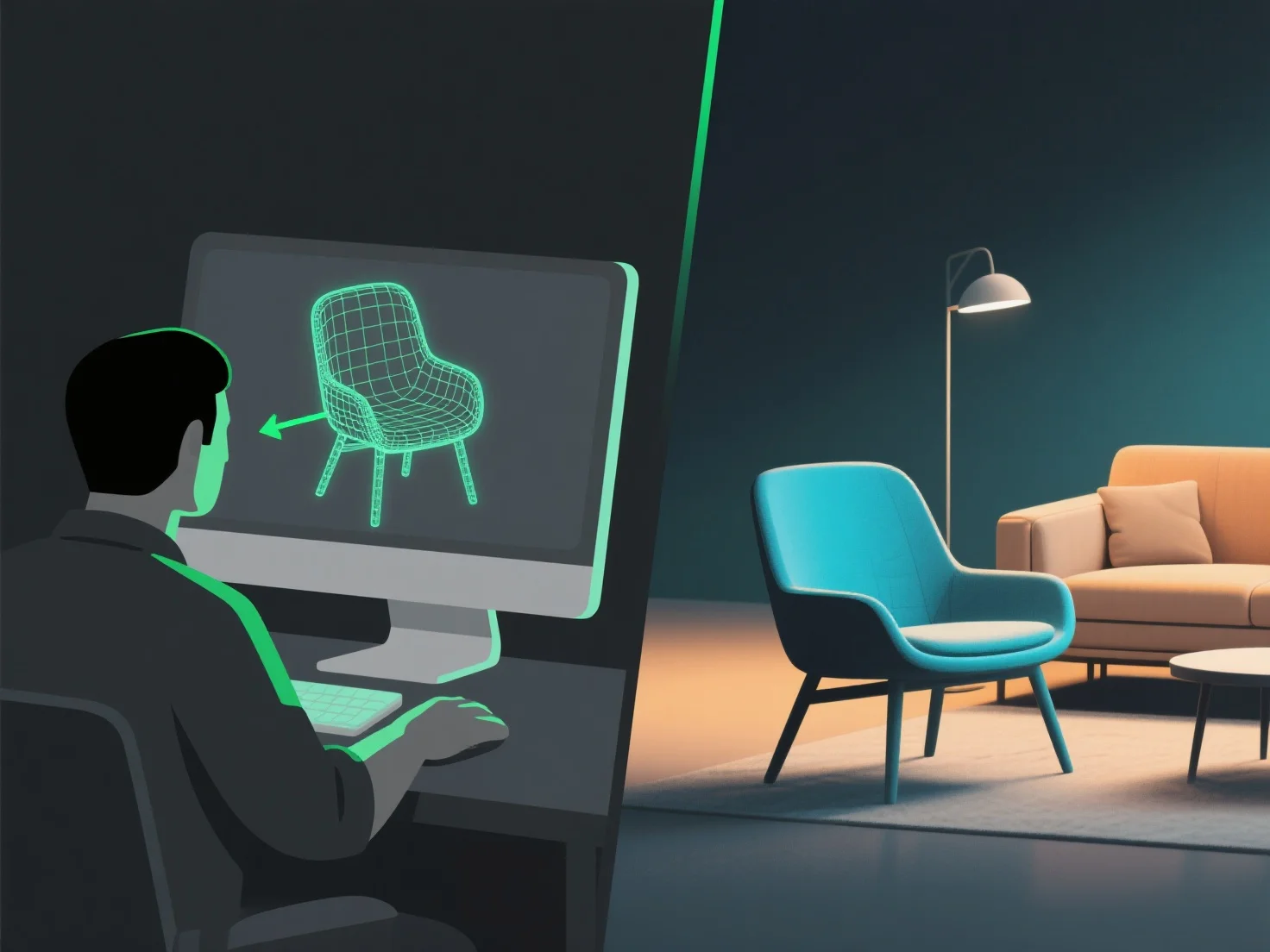
A 3D modeler creates 3D models for augmented reality applications by balancing technical constraints with real-time performance, ensuring seamless integration with the real world through key optimization and testing steps.

1. **Define AR platform constraints**: Analyze device processing power, display specs, and real-time rendering needs to align the model with AR’s demand for smooth interaction. 2. **Optimize model details**: Reduce polygon count to lower load, use lightweight textures, and simplify geometry to avoid lag during rendering. 3. **Export in AR-friendly formats**: Choose formats like GLB or USDZ, widely supported by tools such as ARKit and ARCore for easy integration. 4. **Test in AR environments**: Validate the model using AR development tools to check tracking stability, lighting adaptation, and how it overlays with real spaces.

By following these steps, the modeler ensures the 3D asset is both visually effective and technically viable for AR applications.

PreviousNext
제품
웹 스튜디오
API 플랫폼
기능
이미지를 3D로
멀티뷰를 3D로
릴리프
세그멘테이션
모델
일반 모델
인물 모델
리소스
블로그
FAQ
API 문서
회사 소개
가격