


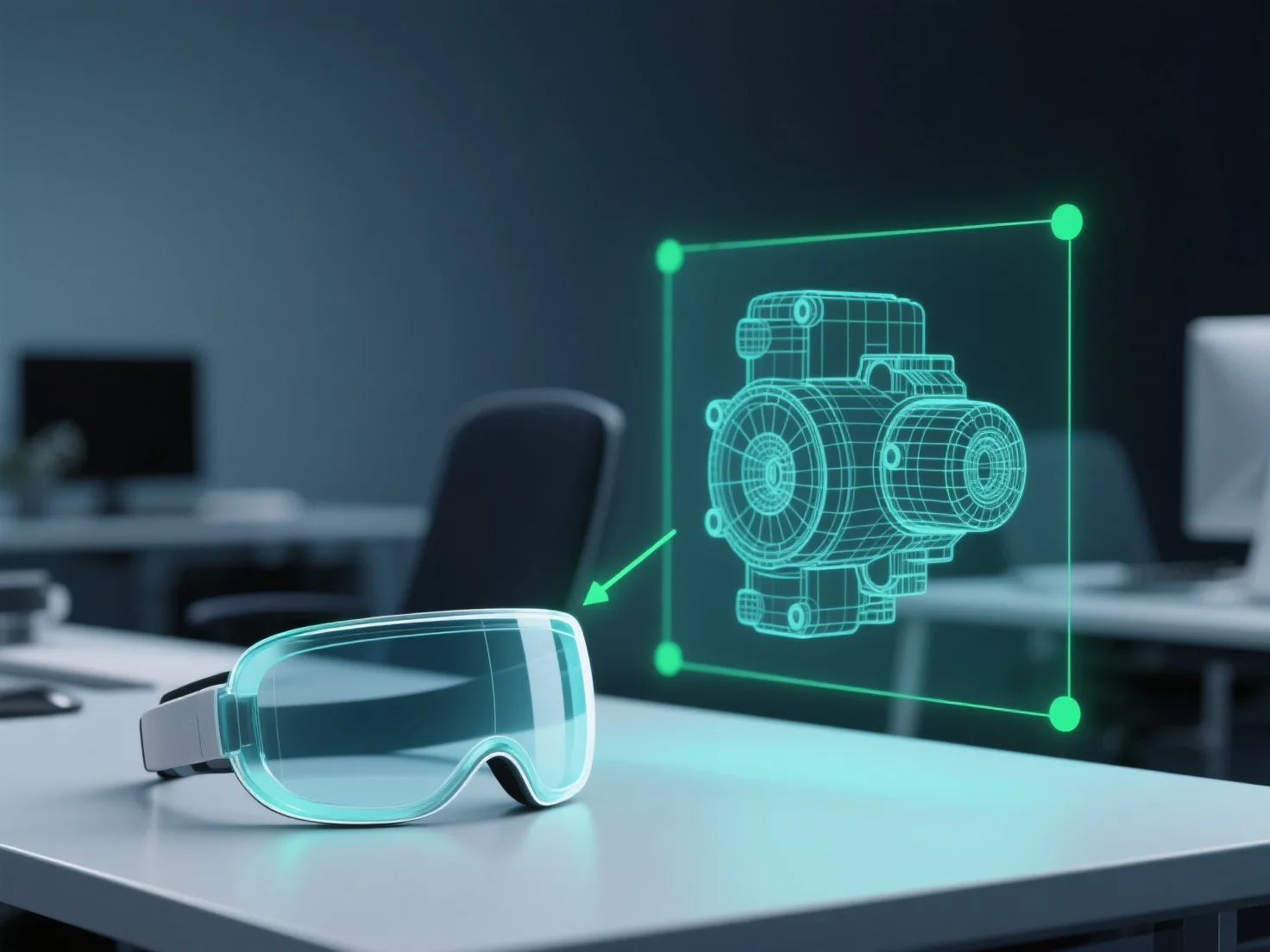
3D 모델링은 가상 객체의 형태, 질감, 동작을 정의하여 현실적이고 대화식 경험을 가능케 하며, 기반 시각적 핵심 역할을 하여 AR/VR 비즈니스 애플리케이션과 통합됩니다.
주요 통합 측면은 다음과 같습니다: - **핵심 자산 기반**: 3D 모델은 AR 오버레이(예: 소매업에서의 가상 제품 시도)나 VR 환경(예: 제조업에서의 교육 시뮬레이션)의 기반 역할을 합니다. - **실시간 최적화**: 저다면체 3D 모델은 매끄러운 렌더링을 보장하며, 이는 AR/VR 상호 작용 및 사용자 참여에 매우 중요합니다. - **산업 맞춤화**: 특정 비즈니스 요구사항에 맞는 개인화된 3D 모델은 운영 효율성과 몰입형 사용자 경험을 향상시킵니다.
이 통합은 시각적 현실주의와 기능적 유용성을 연결하며, AR/VR 비즈니스 애플리케이션의 가치를 제고합니다.