Home/Hitem3D FAQ/How do joints and constraints in rigging affect model behavior?

How do joints and constraints in rigging affect model behavior?

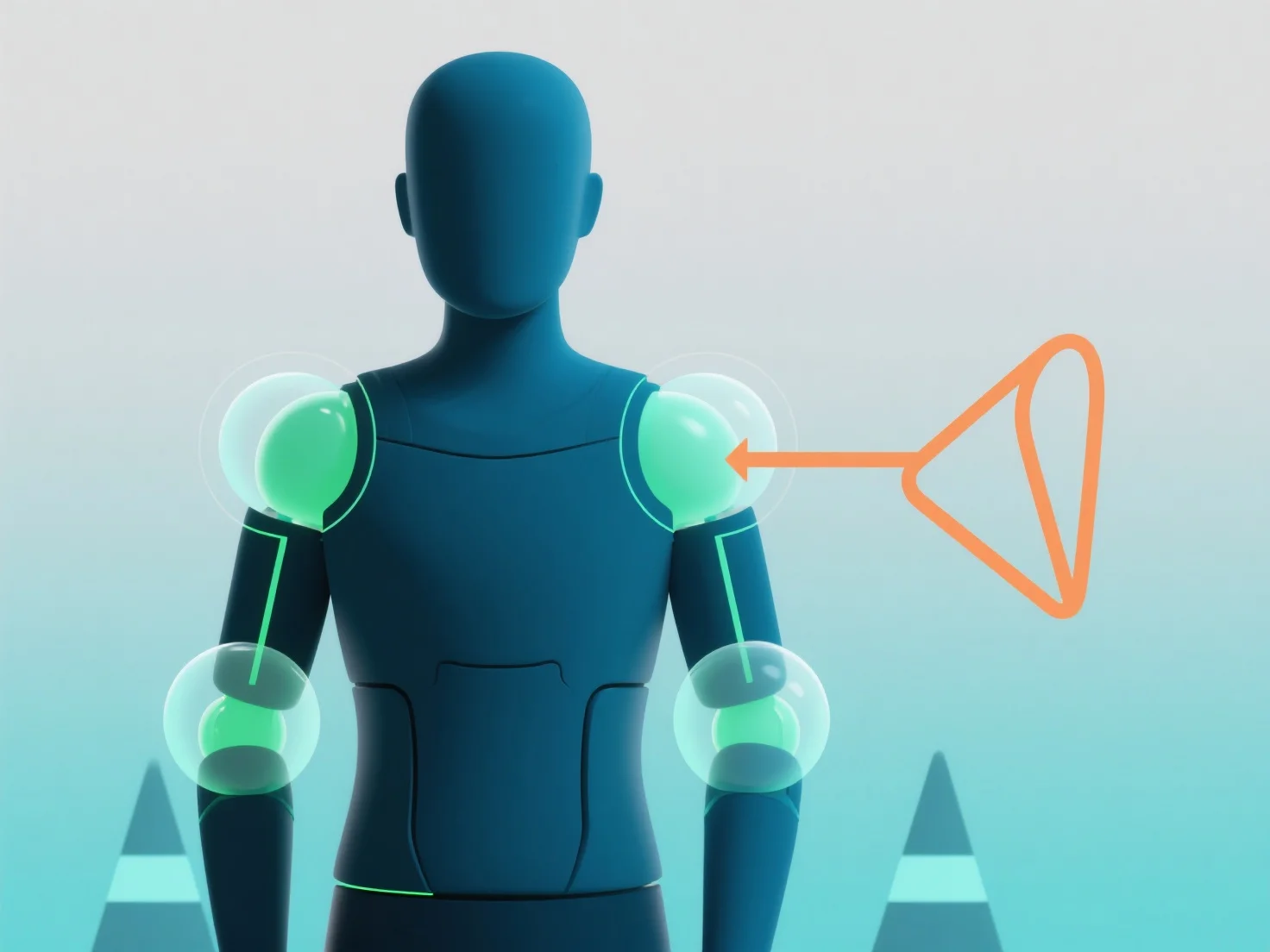
Joints as pivot points and constraints guiding movement together enable controlled, realistic 3D model animation with structural stability.

How do joints and constraints in rigging affect model behavior?

Joints and constraints in rigging directly determine a 3D model’s movement behavior and structural stability during animation.

Joints act as pivot points, enabling core motions like rotation (e.g., elbows) or bending (e.g., knees), forming the model’s "skeleton" to define basic movement ranges.

Constraints, such as IK (Inverse Kinematics), limit, or parent-child constraints, restrict or guide movement—IK keeps limbs aligned when reaching, limit constraints prevent over-rotation, and parent-child links ensure hierarchical motion (e.g., a hand moving with an arm).

Together, they ensure the model moves in a controlled, realistic way, avoiding disjointed or unnatural poses and maintaining structural integrity.

PreviousNext
제품
웹 스튜디오
API 플랫폼
기능
이미지를 3D로
멀티뷰를 3D로
릴리프
세그멘테이션
모델
일반 모델
인물 모델
리소스
블로그
FAQ
API 문서
회사 소개
가격