Home/Hitem3D FAQ/How do animation techniques differ between real-time and offline 3D applications?

How do animation techniques differ between real-time and offline 3D applications?

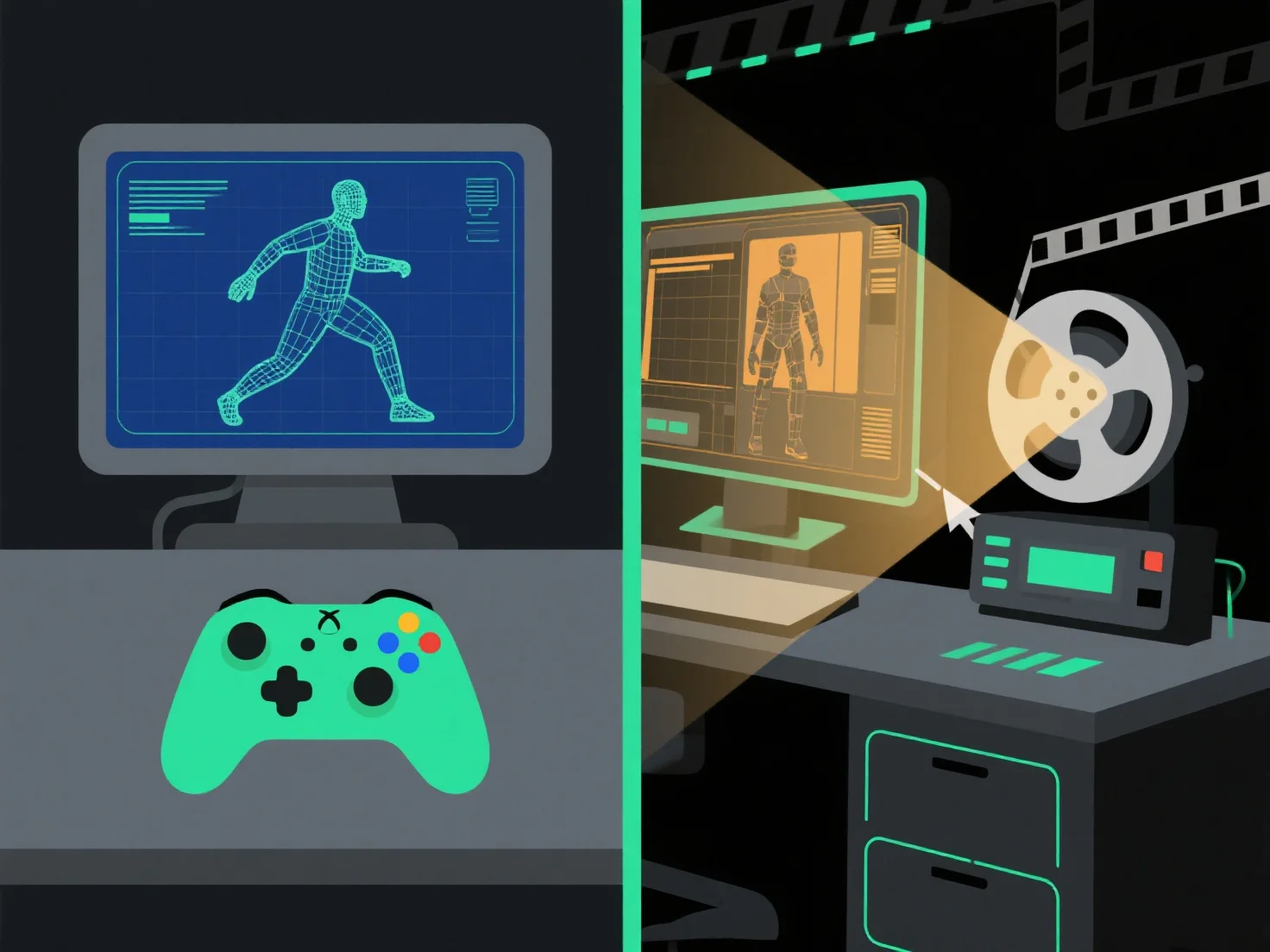
Real-time 3D apps use simplified animations for speed; offline ones use complex methods for quality due to differing performance needs.

How do animation techniques differ between real-time and offline 3D applications?

Real-time 3D applications use simplified animation techniques like pre-baked cycles or low-poly rigs to prioritize speed, while offline 3D applications leverage complex methods such as high-detail keyframing or physics simulations since they aren’t constrained by real-time rendering demands.

Key differences stem from performance needs: - Real-time apps (e.g., games, AR/VR) require instant rendering, so animations are optimized for quick processing—often using precomputed motions or simplified bone structures to avoid lag. - Offline apps (e.g., movies, architectural renderings) focus on visual quality, allowing high-resolution rigs, frame-by-frame adjustments, or physics simulations that would be too slow for real time.

PreviousNext
제품
웹 스튜디오
API 플랫폼
기능
이미지를 3D로
멀티뷰를 3D로
릴리프
세그멘테이션
모델
일반 모델
인물 모델
리소스
블로그
FAQ
API 문서
회사 소개
가격