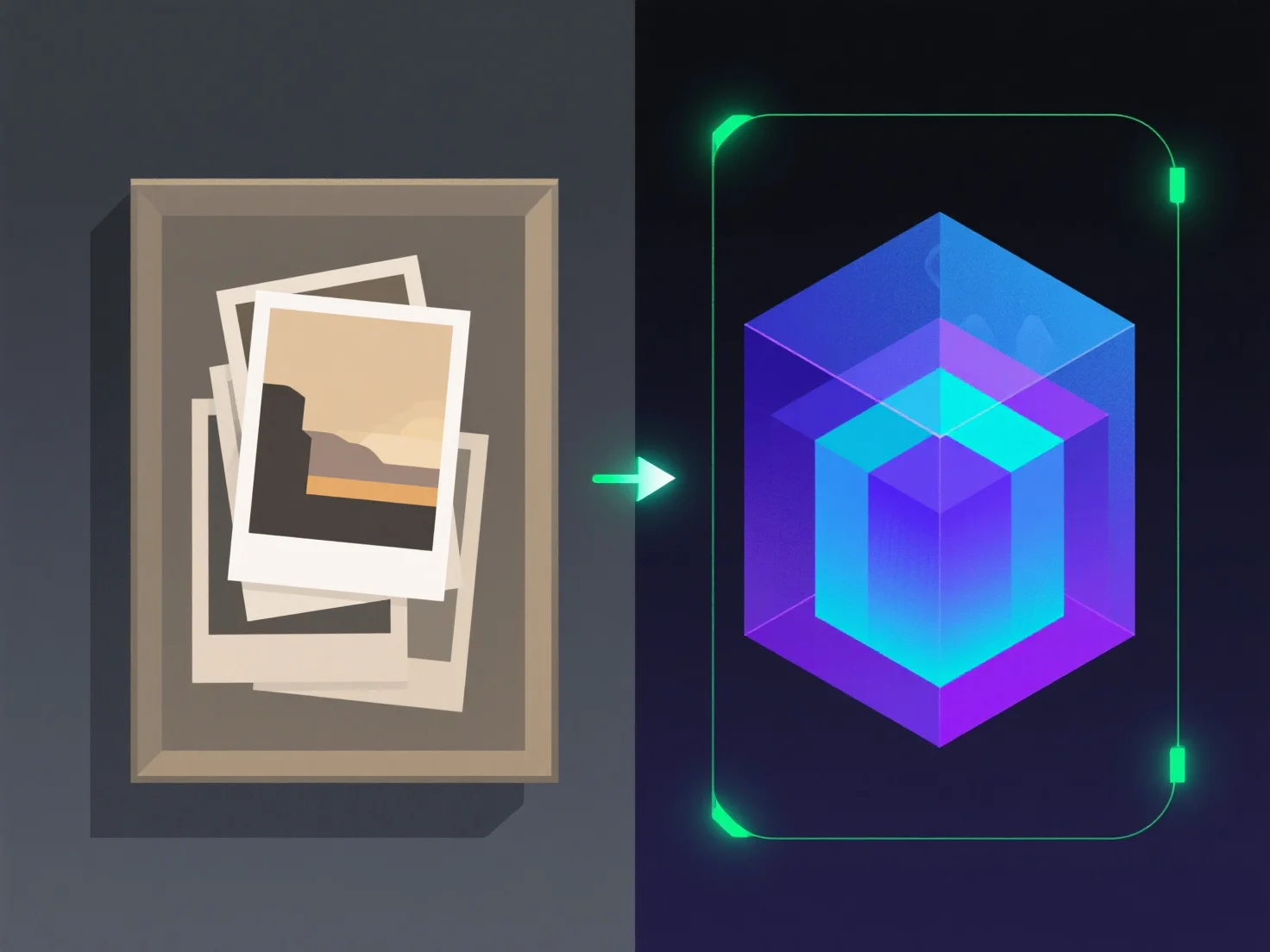
3D경험은 대체로 전통적인 매체보다 설득력이 더 강합니다. 이는 사용자의 참여도와 공감을 향상시키는 몰입형 대화식 기능을 활용하기 때문입니다. 사진이나 동영상 같은 전통적인 매체는 사용자의 참여를 제한하지만, 3D는 탐색, 관점 조작, 상호 작용을 가능케 합니다. 이는 기억력 향상과 감정적 공감을 위한 열쇠입니다. 예를 들어, 제품 마케팅에서 3D모형은 고객이 물건을 모든 각도에서 검사할 수 있게 해주며, 정적인 광고보다 불확실성을 줄이고 신뢰를 더 효율적으로 구축할 수 있습니다. 결국, 3D의 대화식 특성과 몰입감은 사용자의 참여도를 더 높이고 신뢰를 더 강화시키며, 더 설득력 있는 도구로 작용합니다.


3D 경험은 설득에 있어서 전통적인 미디어와 비교해서 어떻게 다른가?
3D 경험은 몰입감 있고 대화식인 기능으로 참여도와 신뢰도를 향상시키기 때문에 전통적인 미디어보다 더 설득력 있습니다.