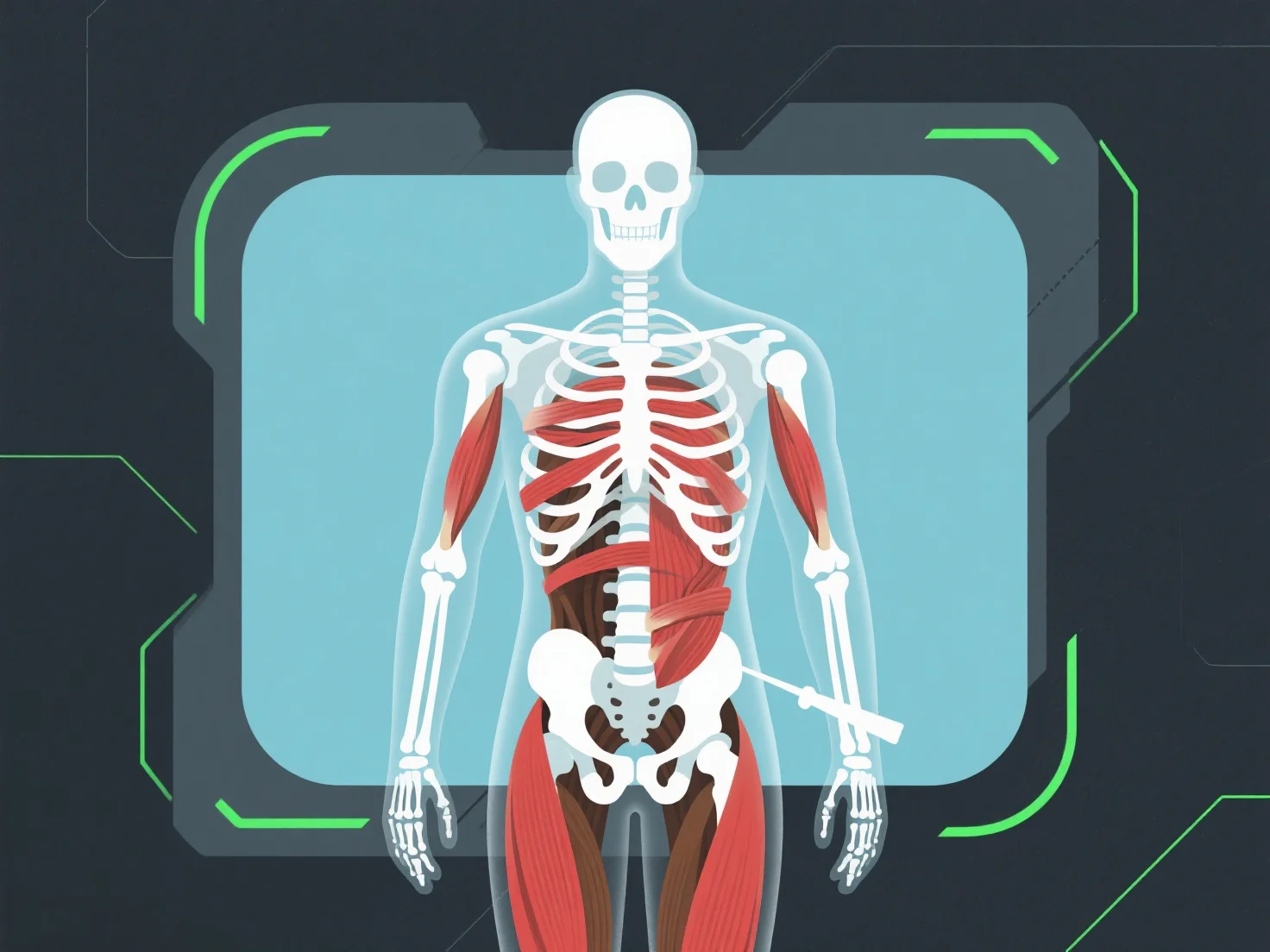
인간의 3D 모형에서 골격 및 근육 시스템은 구조화된 뼈 계층 및 관절 운동과 연계된 동적 근육 시뮬레이션을 통해 표현됩니다. 골격은 정의된 관절을 가진 계층적인 뼈 체인으로 모형화되며, 근육은 일반적으로 두 가지 방법으로 표현됩니다. 하나는 뼈에 부착된 변형 메시이고, 다른 하나는 수축 및 이완을 모방하는 물리학 기반 시뮬레이션입니다. 이러한 통합은 실현 가능한 운동을 가능케 합니다. 관절에서 뼈가 회전할 때 근육은 확장되거나 凸起,이는 의학적 시각화, 캐릭터 애니메이션, 그리고 생체 역학 연구에서 널리 사용되고 있습니다.


인간의 3D 모형에서 골격 및 근육 시스템은 어떻게 표현되는가?
3D 인간 모형은 구조화된 뼈 계층 및 동적인 근육 시뮬레이션을 사용하여 다양한 분야에서 현실적인 동작을 제공합니다.