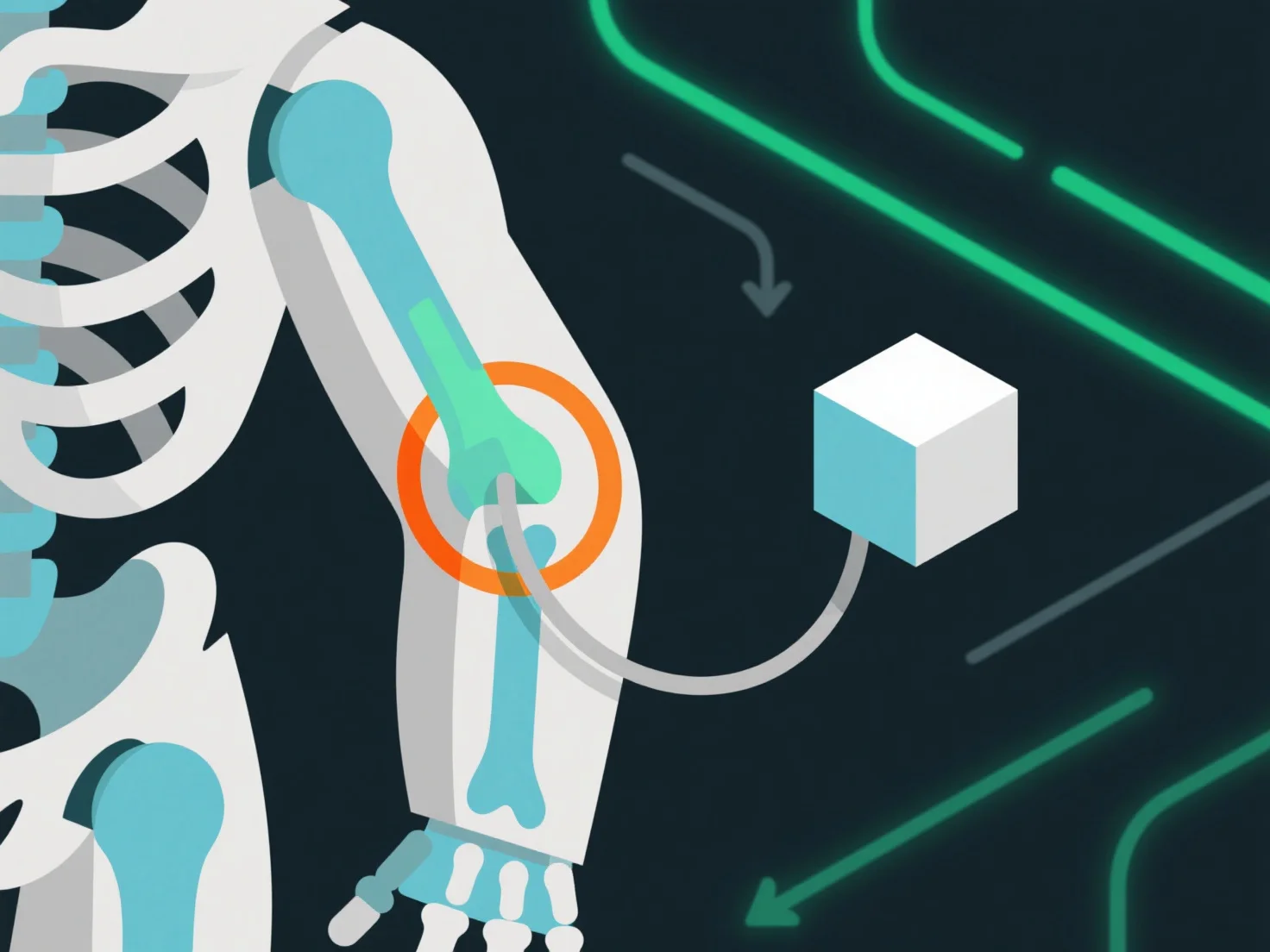
Constraints in 3D animation rigs control movement relationships between rig components, ensuring natural and precise animation by defining how parts (e.g., limbs, torso) move relative to each other.
Key types include: IK constraints (governing limb movement for realistic reach), parent-child constraints (linking hierarchical parts like torso to arms), and aim constraints (aligning objects like eyes to a target).
By selecting constraints based on a character’s movement needs, animators simplify the process and enhance motion quality, preventing unrealistic or unintended motion.
