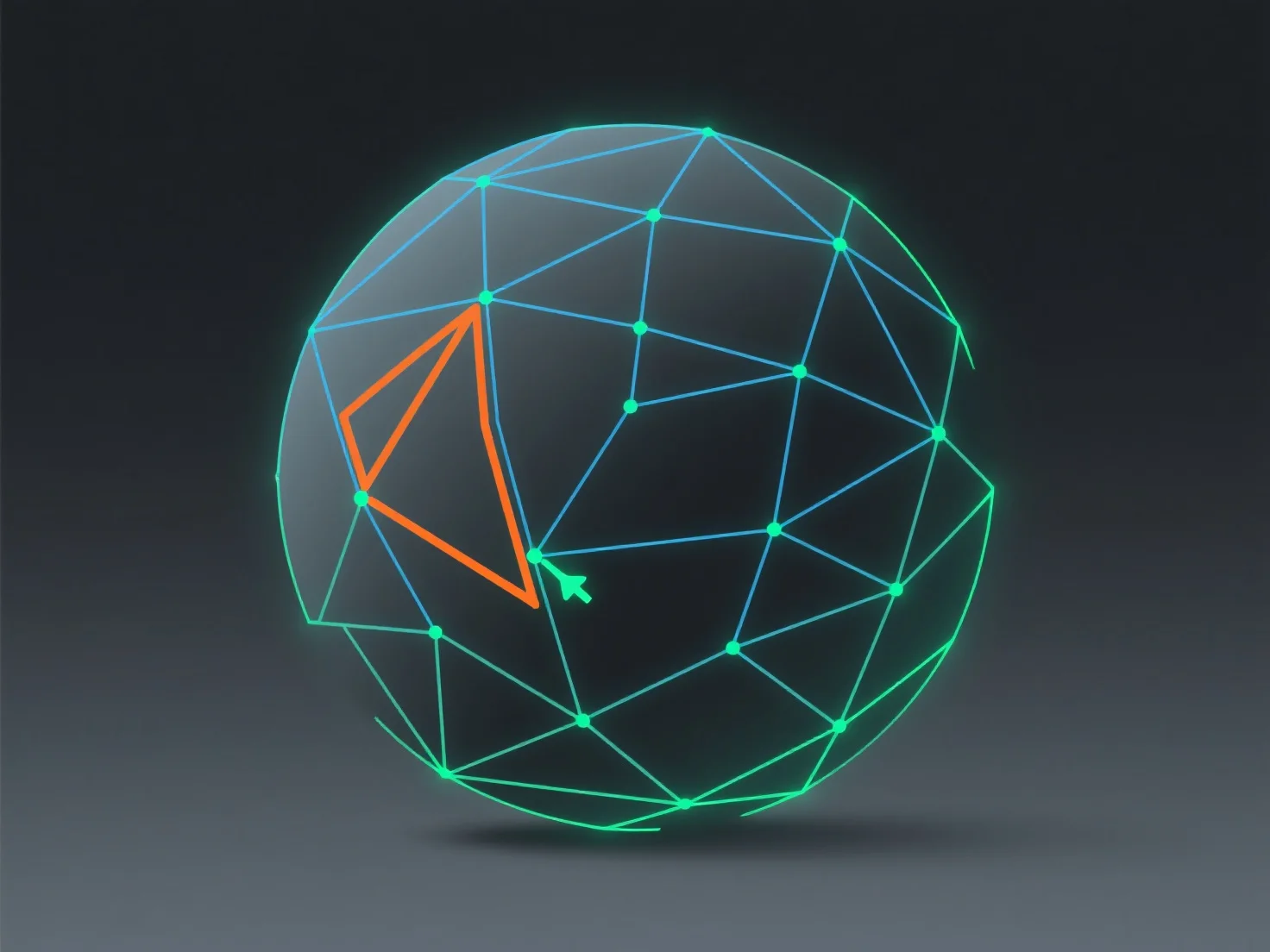
Normals are vital in 3D models as they govern surface-light interactions, directly influencing rendering quality and visual realism.
They define a surface’s facing direction, enabling rendering engines to compute lighting effects like reflections, shadows, and highlights—critical for surfaces to appear smooth, textured, or three-dimensional in games, films, or simulations.
Incorrect normals often cause rendering issues (e.g., dark patches or inverted surfaces). Recalculating or adjusting normals (e.g., smoothing or flipping) is a primary solution to ensure models display correctly and maintain visual integrity.