


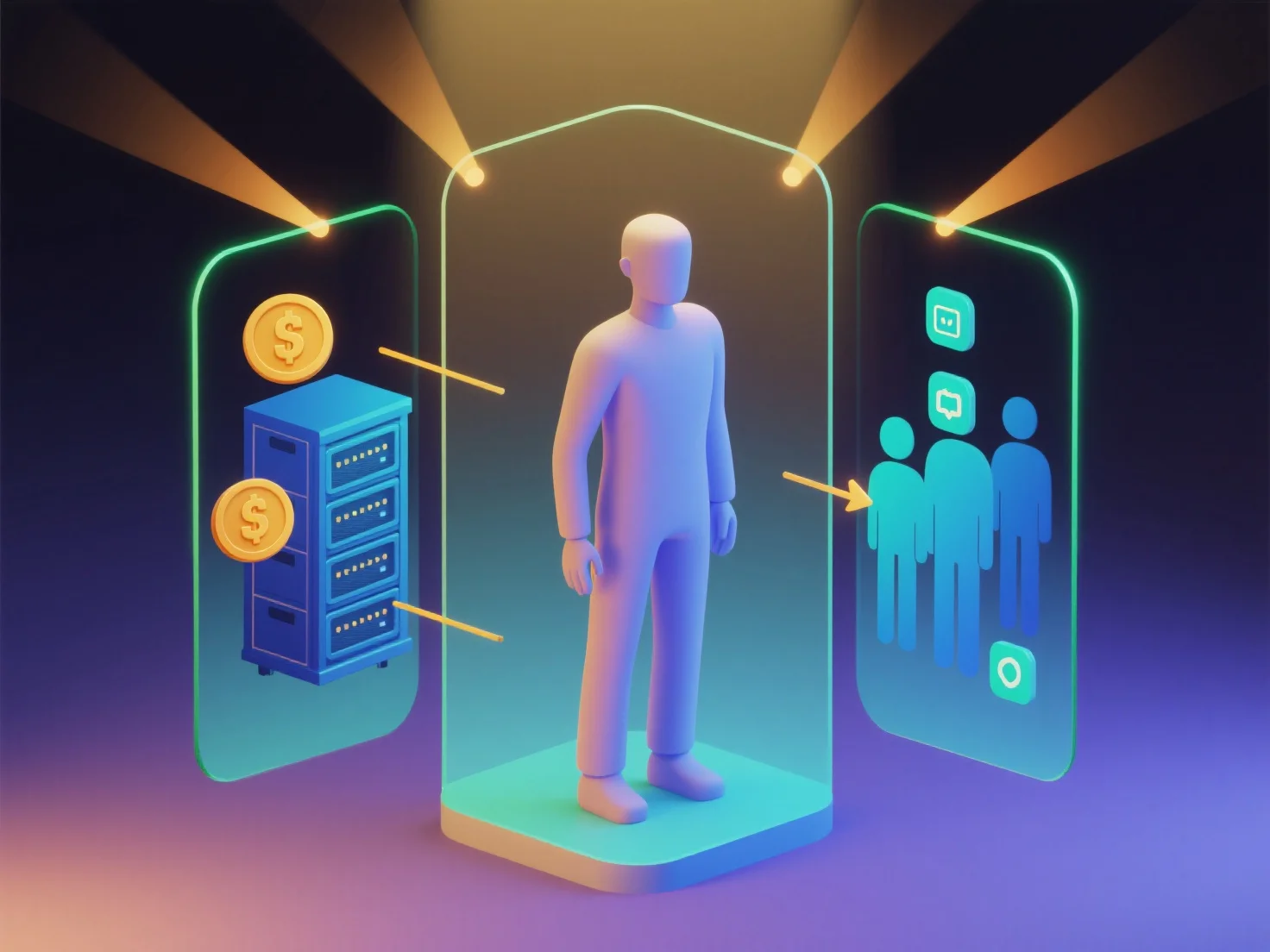
ゲーム開発スタジオで3Dモデリングを実装するには、人件費、ソフトウェアライセンス、ハードウェア、アセットの取得、および反復テストにかかる費用といった主なコスト構造が関わってきます。
人件費には、モデル制作を担当する3Dアーティスト、アニメーター、テクスチャアーティストの給与が含まれています。ソフトウェアライセンスには、モデリング、テクスチャリング、リギングに使用するMaya、Blender、ZBrushなどのツールが含まれています。ハードウェアにかかる費用には、レンダリングや複雑なモデル処理に使用する高性能ワークステーションやGPUが含まれています。アセット取得には、市場から既製の3Dモデルを購入したり、カスタムアセットを外注したりすることが含まれています。そしてイテレーションコストは、デザインのフィードバック、技術的な制約、またはプラットフォームの最適化によるモデルの改訂にかかる費用です。
予算に配慮したスタジオの場合、オープンソースのソフトウェアを利用することができます。