Home/Hitem3D FAQ/What are typical implementation forms for web-based 3D?

What are typical implementation forms for web-based 3D?

Web-based 3D implementations include WebGL rendering, JavaScript libraries, and lightweight formats, leveraging web standards for browser-native display.

What are typical implementation forms for web-based 3D?

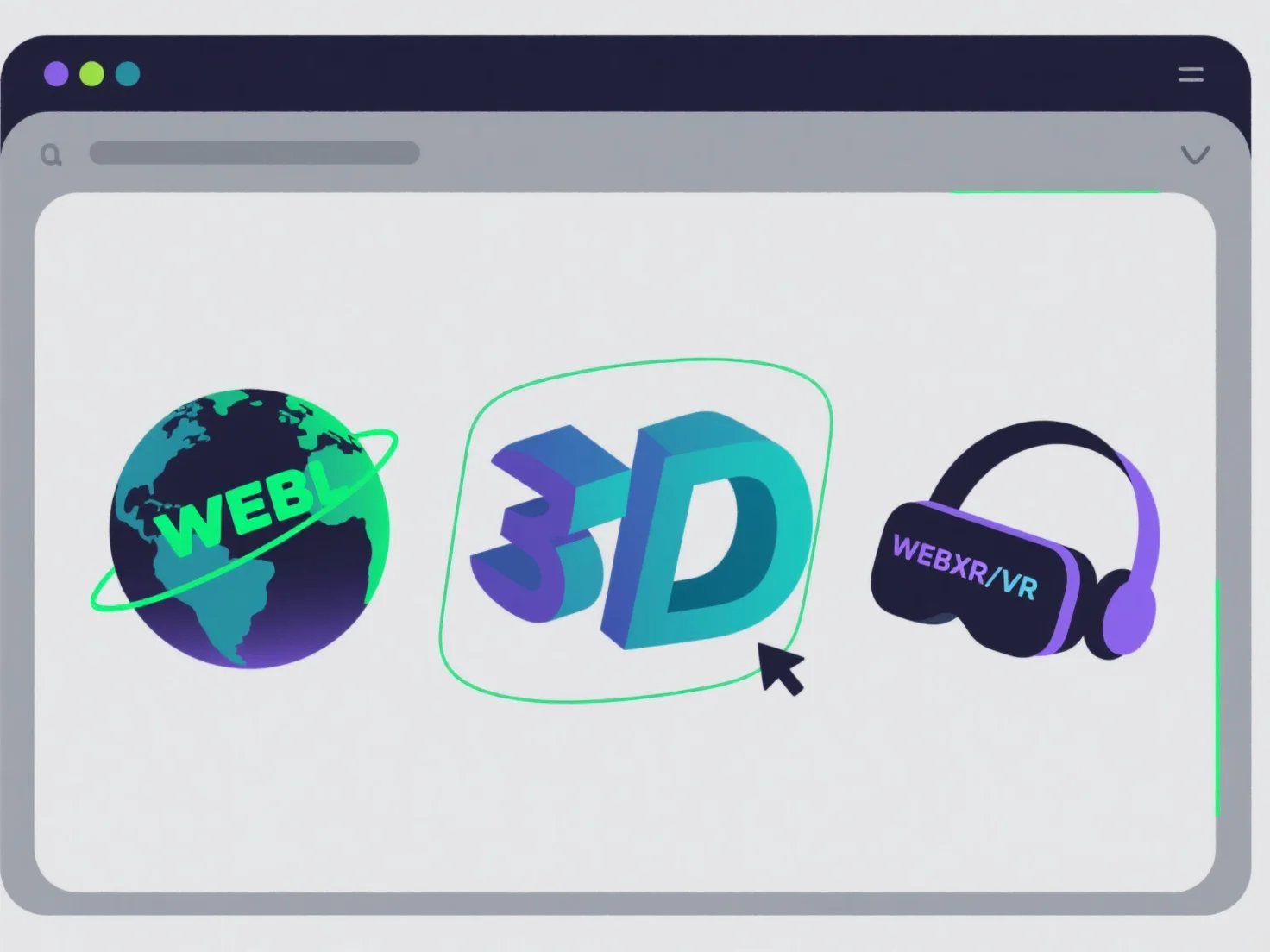
Typical implementation forms for web-based 3D primarily include WebGL-based rendering, JavaScript 3D libraries, and lightweight 3D model formats integrated with HTML5, all leveraging web standards for browser-native 3D display.

- WebGL-based rendering: A low-level API that enables direct access to graphics hardware, using OpenGL ES standards to render 3D graphics without plugins, ensuring cross-browser compatibility. - JavaScript 3D libraries: Tools like Three.js, Babylon.js, or PlayCanvas abstract WebGL complexity, offering pre-built functions for scene setup, model loading, and animation, speeding up development. - Lightweight 3D model formats: Formats such as glTF (GL Transmission Format) or USDZ are optimized for web delivery, with compressed file sizes and efficient parsing, reducing loading times for smooth interaction.

These forms collectively balance performance and accessibility, enabling seamless 3D integration into websites across devices.

PreviousNext
製品
Webスタジオ
APIプラットフォーム
機能
画像から3Dへ
マルチビューから3Dへ
リリーフ
セグメンテーション
モデル
汎用モデル
ポートレートモデル
リソース
ブログ
よくある質問
APIドキュメント
私たちについて
料金