ホーム/Hitem3D FAQ/What are the key differences in texture and material handling between real-time and offline rendering?

What are the key differences in texture and material handling between real-time and offline rendering?

Real-time rendering prioritizes speed with simple textures/materials; offline, detail/accuracy with complex ones.

What are the key differences in texture and material handling between real-time and offline rendering?

Real-time and offline rendering differ in texture and material handling by prioritizing speed/simplicity versus detail/accuracy, respectively.

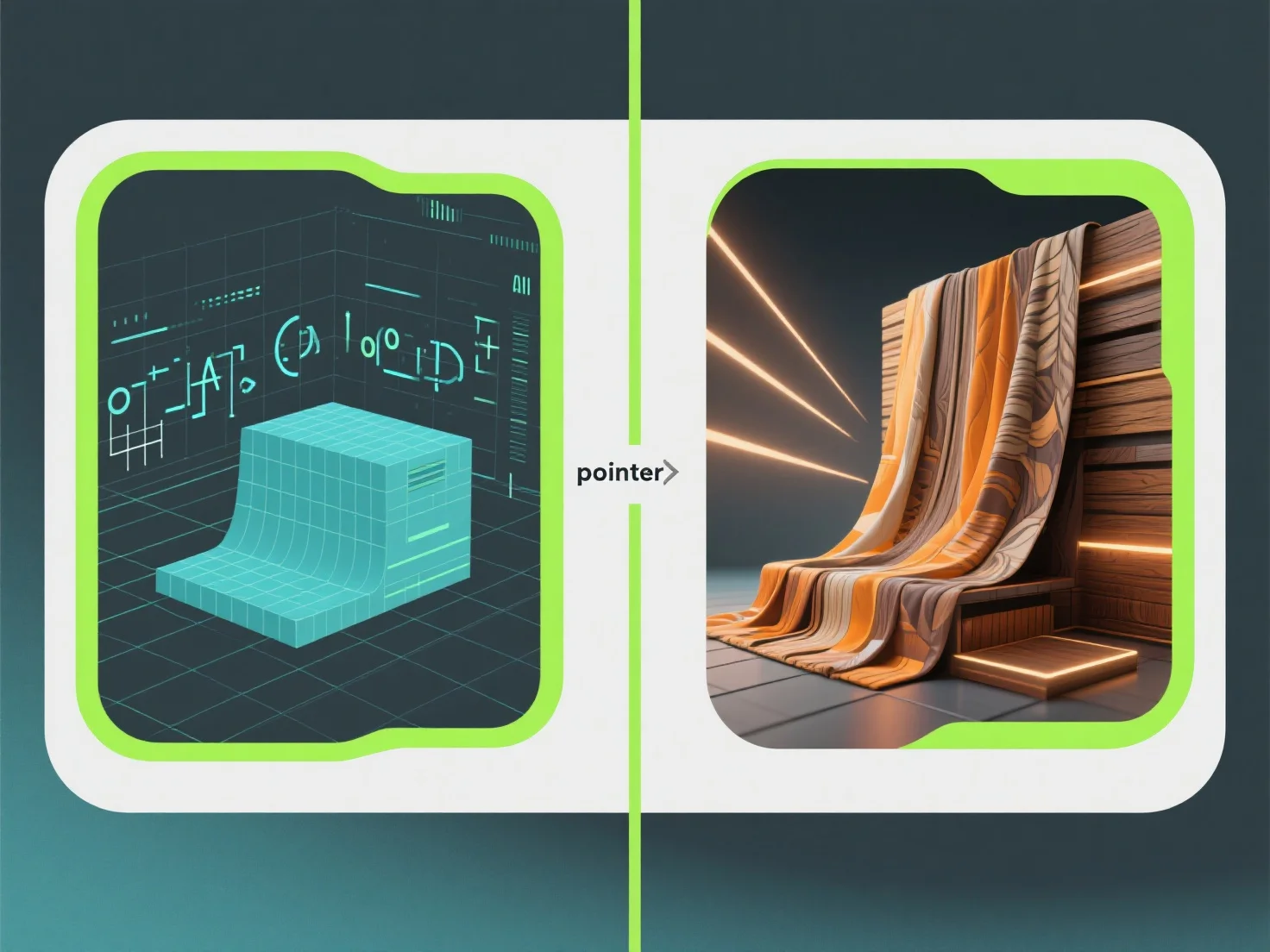
Real-time rendering focuses on speed for interactive use (e.g., games). It uses compressed or low-resolution textures and simplified material models (e.g., basic PBR shaders) to ensure quick processing, limiting complexity to meet frame rate demands.

Offline rendering, unconstrained by real-time speed (e.g., for film/animation), prioritizes detail. It employs high-resolution textures, multi-layered materials, and complex light interactions (e.g., subsurface scattering, accurate reflections) to achieve realistic results, with rendering time being secondary.

前へ次へ
製品
Webスタジオ
APIプラットフォーム
機能
画像から3Dへ
マルチビューから3Dへ
リリーフ
セグメンテーション
モデル
汎用モデル
ポートレートモデル
リソース
ブログ
よくある質問
APIドキュメント
私たちについて
料金