


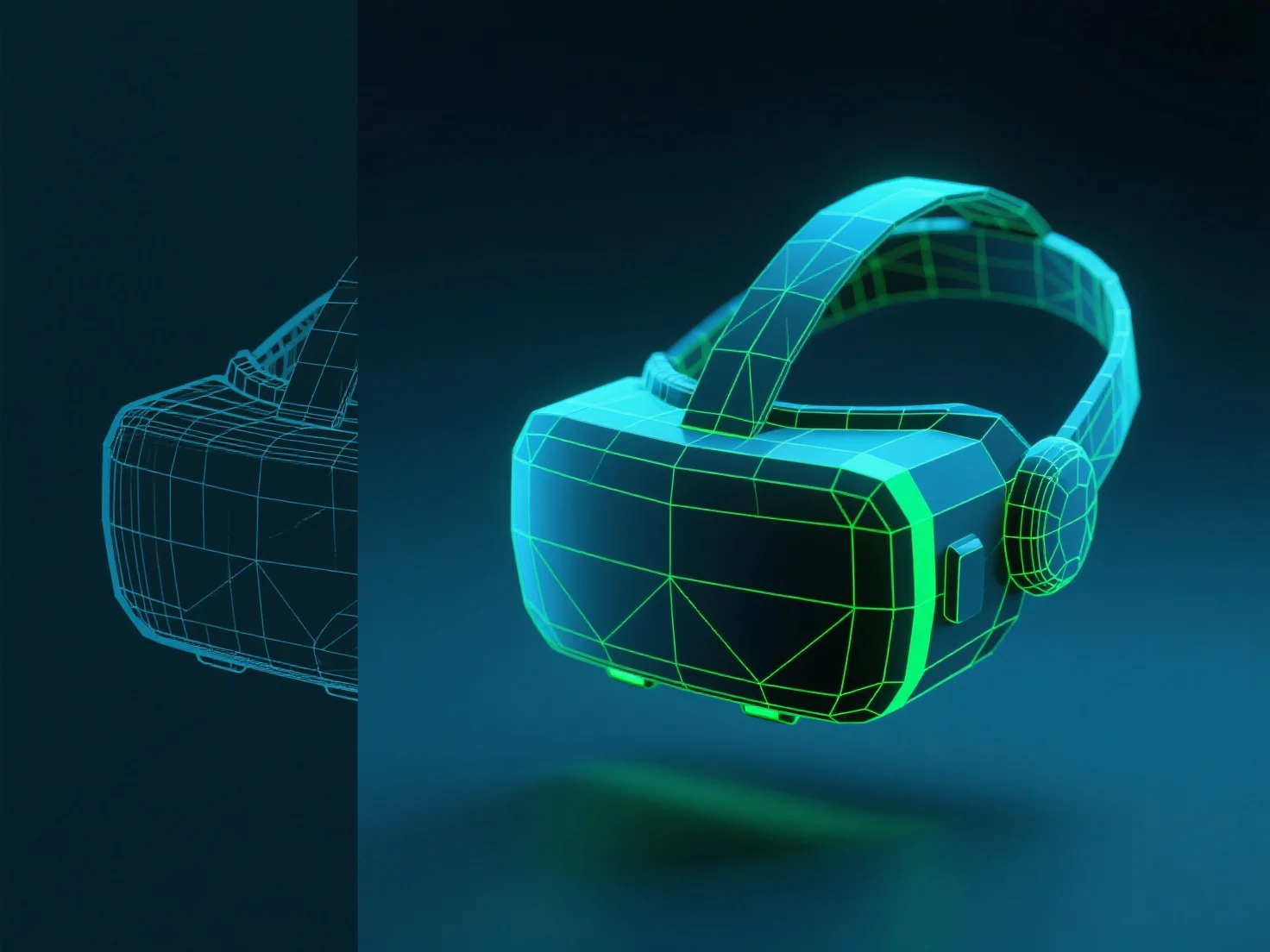
VRアプリケーション用の3Dモデルの最適化に関するベストプラクティスは、視覚的な品質とパフォーマンスのバランスに焦点を当て、モーションシックを防ぎ、没入感を高めるためにスムーズなフレームレート(通常90fps以上)を確保することを目的としています。主なステップとしては、ポリゴン数を削減し、テクスチャを最適化し、ジオメトリを合理化することが挙げられます。
1.ポリゴン数を減らす:シンプル化ツールを使用してトライアングル数を減らし、ユーザーの認識に影響しない不要なジオメトリを削除しながら、重要な詳細に優先的に取り組みましょう。 2.テクスチャを最適化:テクスチャを圧縮して解像度を下げ、距離に基づく視認性のためにミップマッピングを適用し、過剰に大きな/非圧縮のファイルを避けましょう。 3.ジオメトリを合理化:隠れた面やユーザーの認識に影響しない過度に複雑な詳細など、不要な要素を削除しましょう。
常に最適化をVRプラットフォームのハードウェア制約に合わせることで、重要な没入感を犠牲にすることなくスムーズなパフォーマンスを確保しましょう。