Home/Hitem3D FAQ/How is procedural content generation altering production roles?

How is procedural content generation altering production roles?

Procedural content generation automates repetitive tasks, shifting roles to creative direction and system design across industries.

How is procedural content generation altering production roles?

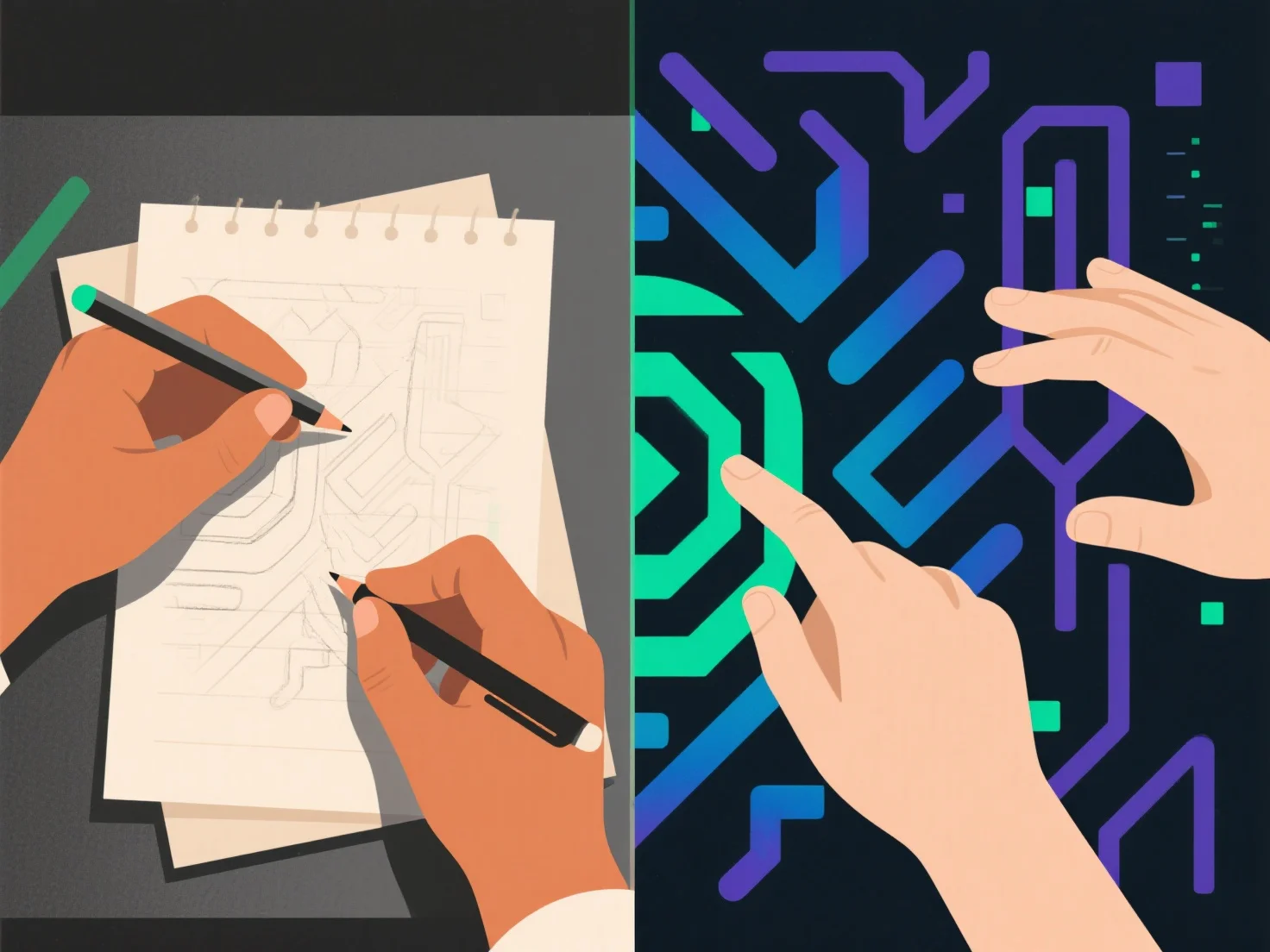
Procedural content generation (PCG) is altering production roles by automating repetitive tasks, shifting focus from manual asset creation to creative direction and system design.

It reduces hands-on work for roles like 3D modelers and environment artists, who now transition from building assets (e.g., terrain, textures) to designing PCG rules and parameters.

Key industry applications include: - Gaming: Environment artists define biome rules instead of sculpting each landscape manually. - Film/Animation: Prop designers set parameters for crowd scenes or background objects, cutting repetitive modeling. - Architecture: Designers create parametric building components via rules, avoiding individual element modeling.

For teams integrating PCG, training existing roles in basic algorithmic logic or collaborating with technical artists to prototype systems eases the transition.

PreviousNext
製品
Webスタジオ
APIプラットフォーム
機能
画像から3Dへ
マルチビューから3Dへ
リリーフ
セグメンテーション
モデル
汎用モデル
ポートレートモデル
リソース
ブログ
よくある質問
APIドキュメント
私たちについて
料金