Home/Hitem3D FAQ/How is 3D scanning technology evolving?

How is 3D scanning technology evolving?

3D scanning evolves with higher accuracy, faster capture, and greater accessibility via sensor and AI advancements, expanding industry use.

How is 3D scanning technology evolving?

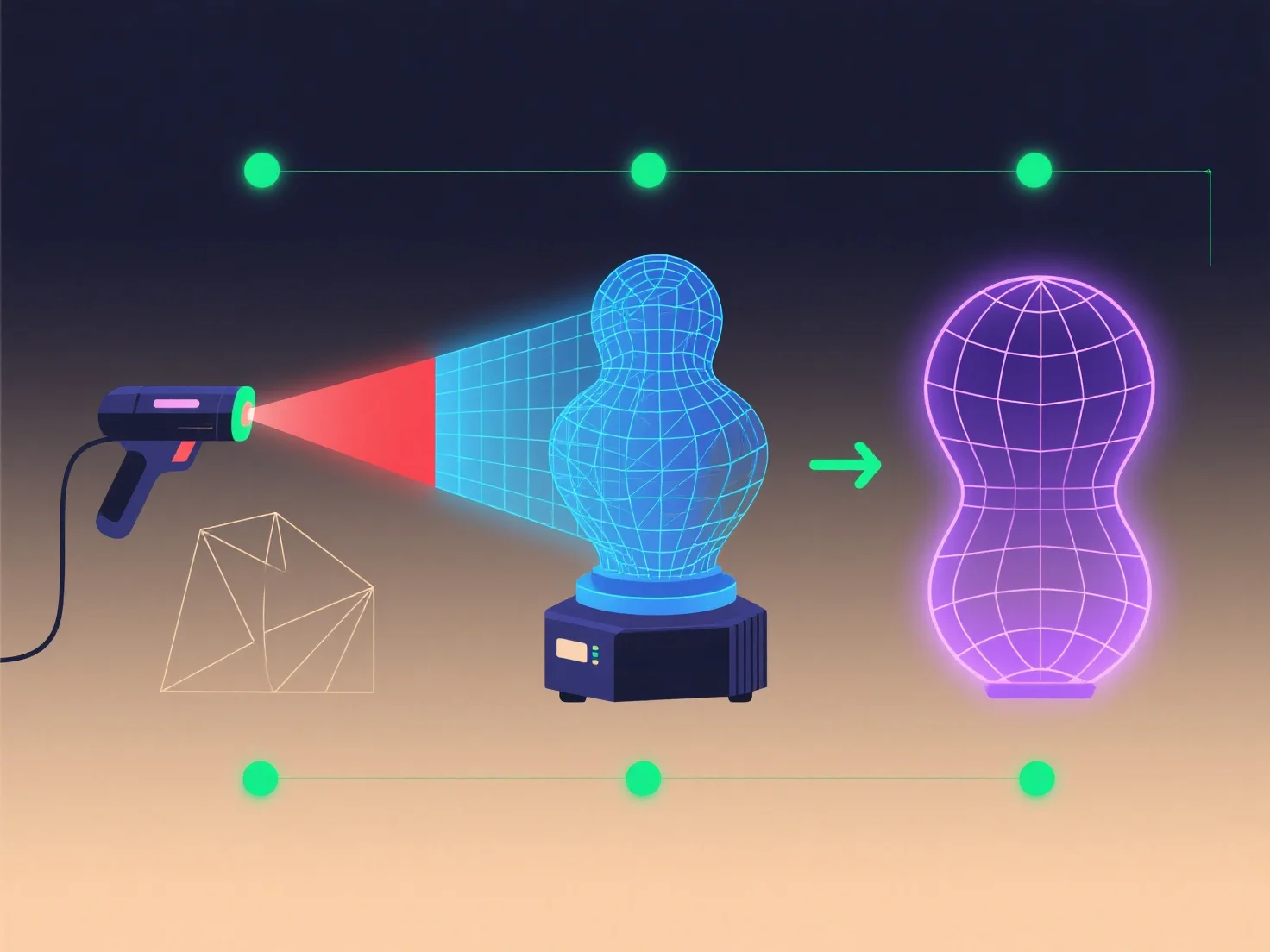
3D scanning technology is evolving toward higher accuracy, faster data capture, and greater accessibility, driven by advancements in sensor technology and AI integration. These progressions enhance precision, reduce scanning time, and lower entry barriers, expanding its use across industries.

- **Higher accuracy**: New sensor tech and calibration algorithms boost resolution, enabling detailed scans for medical implants and aerospace parts, with error margins now under 0.1mm in top-tier devices. - **Faster data capture**: AI-powered processing streamlines point cloud generation, cutting scan times from hours to minutes—critical for real-time applications like reverse engineering. - **Greater accessibility**: Portable, consumer-grade scanners (e.g., smartphone attachments) and user-friendly software make 3D scanning accessible to small businesses and hobbyists, no longer limited to large enterprises.

This evolution positions 3D scanning as a versatile tool for prototyping, cultural heritage preservation, and more.

PreviousNext
製品
Webスタジオ
APIプラットフォーム
機能
画像から3Dへ
マルチビューから3Dへ
リリーフ
セグメンテーション
モデル
汎用モデル
ポートレートモデル
リソース
ブログ
よくある質問
APIドキュメント
私たちについて
料金