Home/Hitem3D FAQ/How is 3D modeling used in design-to-production pipelines?

How is 3D modeling used in design-to-production pipelines?

3D modeling enables design-to-production pipelines via digital prototyping, validation, and manufacturing alignment to streamline workflows.

How is 3D modeling used in design-to-production pipelines?

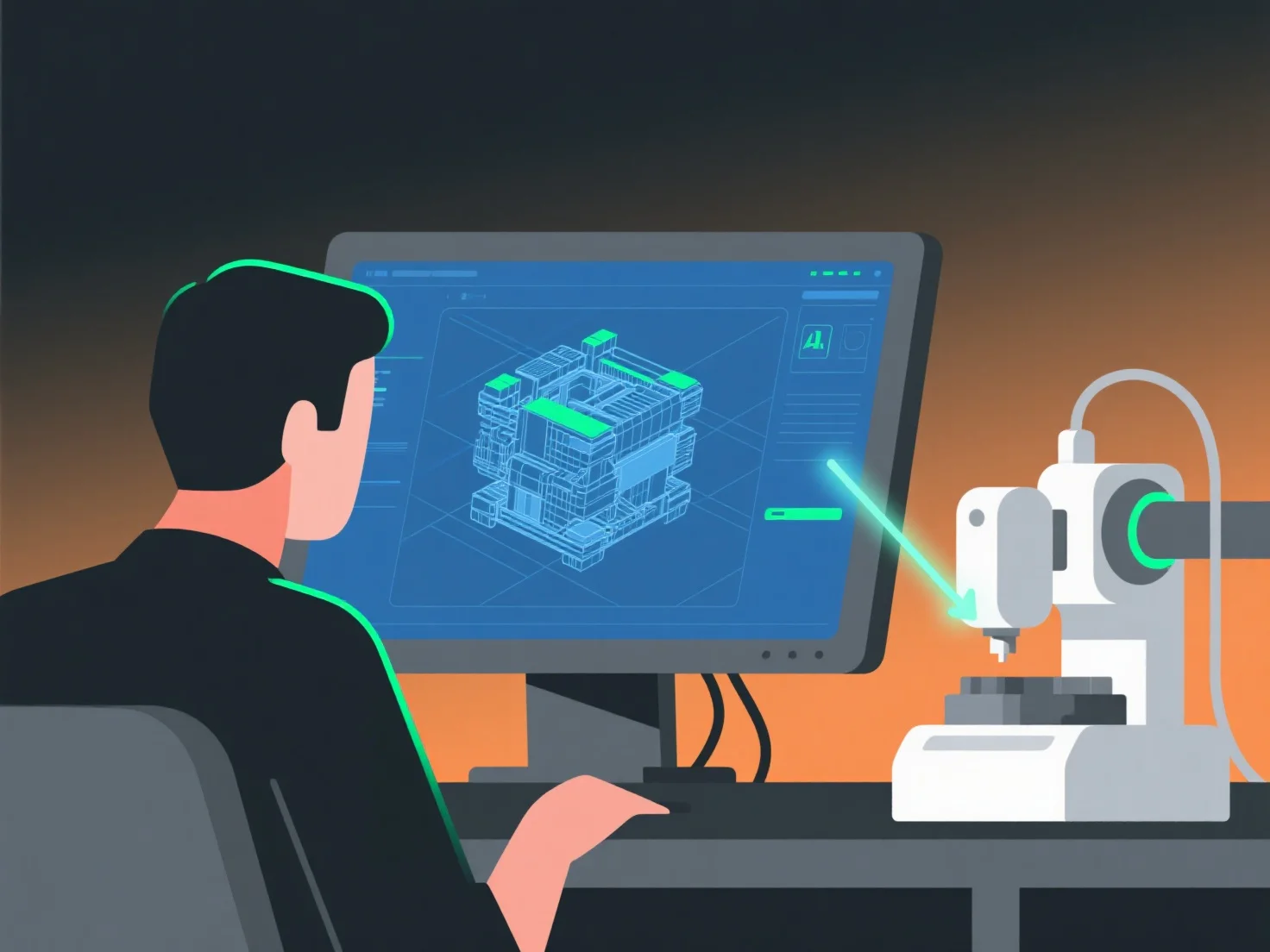
3D modeling is a core enabler in design-to-production pipelines, bridging conceptual design and manufacturing through digital prototyping, validation, and production prep.

Key uses include: - **Digital Prototyping**: Designers create detailed 3D models to visualize concepts, replacing 2D sketches for clearer, more accurate communication. - **Validation & Testing**: Models undergo simulations (e.g., stress, fit checks) to identify flaws early, reducing production errors and rework costs. - **Manufacturing Alignment**: Optimized 3D files directly feed into production tools (3D printers, CNC machines), ensuring design intent translates seamlessly to physical products.

This integration streamlines workflows, accelerates time-to-market, and ensures consistency from design to final production.

PreviousNext
製品
Webスタジオ
APIプラットフォーム
機能
画像から3Dへ
マルチビューから3Dへ
リリーフ
セグメンテーション
モデル
汎用モデル
ポートレートモデル
リソース
ブログ
よくある質問
APIドキュメント
私たちについて
料金