Home/Hitem3D FAQ/How does the PBR (Physically Based Rendering) model improve lighting accuracy?

How does the PBR (Physically Based Rendering) model improve lighting accuracy?

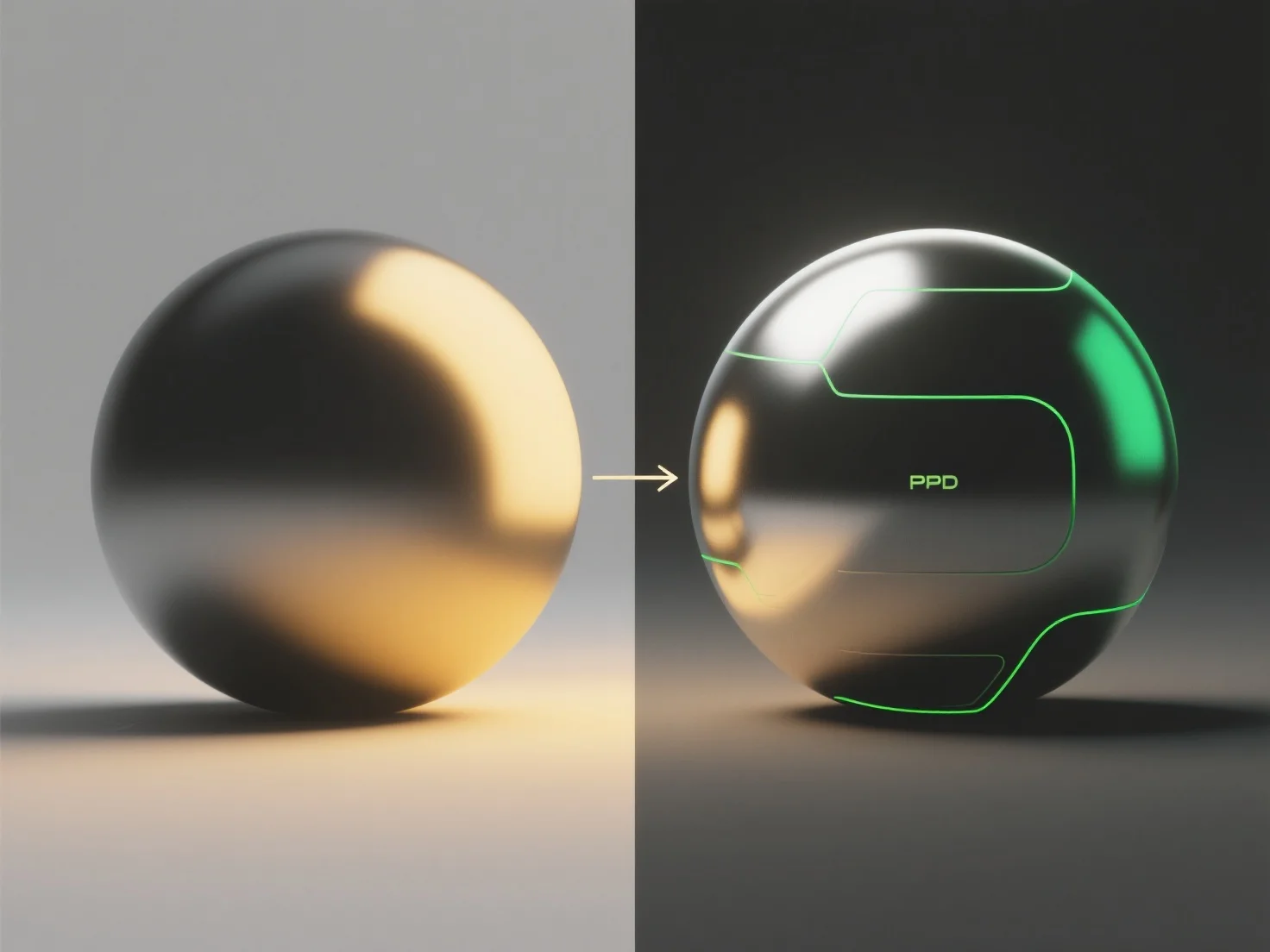
PBR enhances lighting accuracy by simulating real-world light-material interactions via physical algorithms and material properties.

How does the PBR (Physically Based Rendering) model improve lighting accuracy?

PBR (Physically Based Rendering) improves lighting accuracy by simulating real-world light-material interactions through physically accurate algorithms, ensuring consistent, lifelike lighting by replicating natural light behaviors (e.g., reflection, energy conservation) based on material properties like albedo, roughness, and metallicity.

Key mechanisms for accuracy: - Relies on physical material attributes: Uses albedo (base color), roughness (surface texture), and metallicity (conductivity) to define light interaction, avoiding arbitrary manual adjustments. - Enforces energy conservation: Mimics real-world physics where light energy isn’t created or destroyed—e.g., rough surfaces scatter more light, smooth ones reflect more, maintaining realistic energy balance. - Adapts to dynamic environments: Automatically adjusts to varying light conditions (sunlight, indoor lamps), unlike traditional rendering requiring scene-specific tweaks.

This makes PBR ideal for gaming, film, and product visualization, simplifying accurate, natural lighting without complex manual tuning.

PreviousNext
製品
Webスタジオ
APIプラットフォーム
機能
画像から3Dへ
マルチビューから3Dへ
リリーフ
セグメンテーション
モデル
汎用モデル
ポートレートモデル
リソース
ブログ
よくある質問
APIドキュメント
私たちについて
料金