Home/Hitem3D FAQ/How does the concept of "bounce lighting" work in 3D rendering?

How does the concept of "bounce lighting" work in 3D rendering?

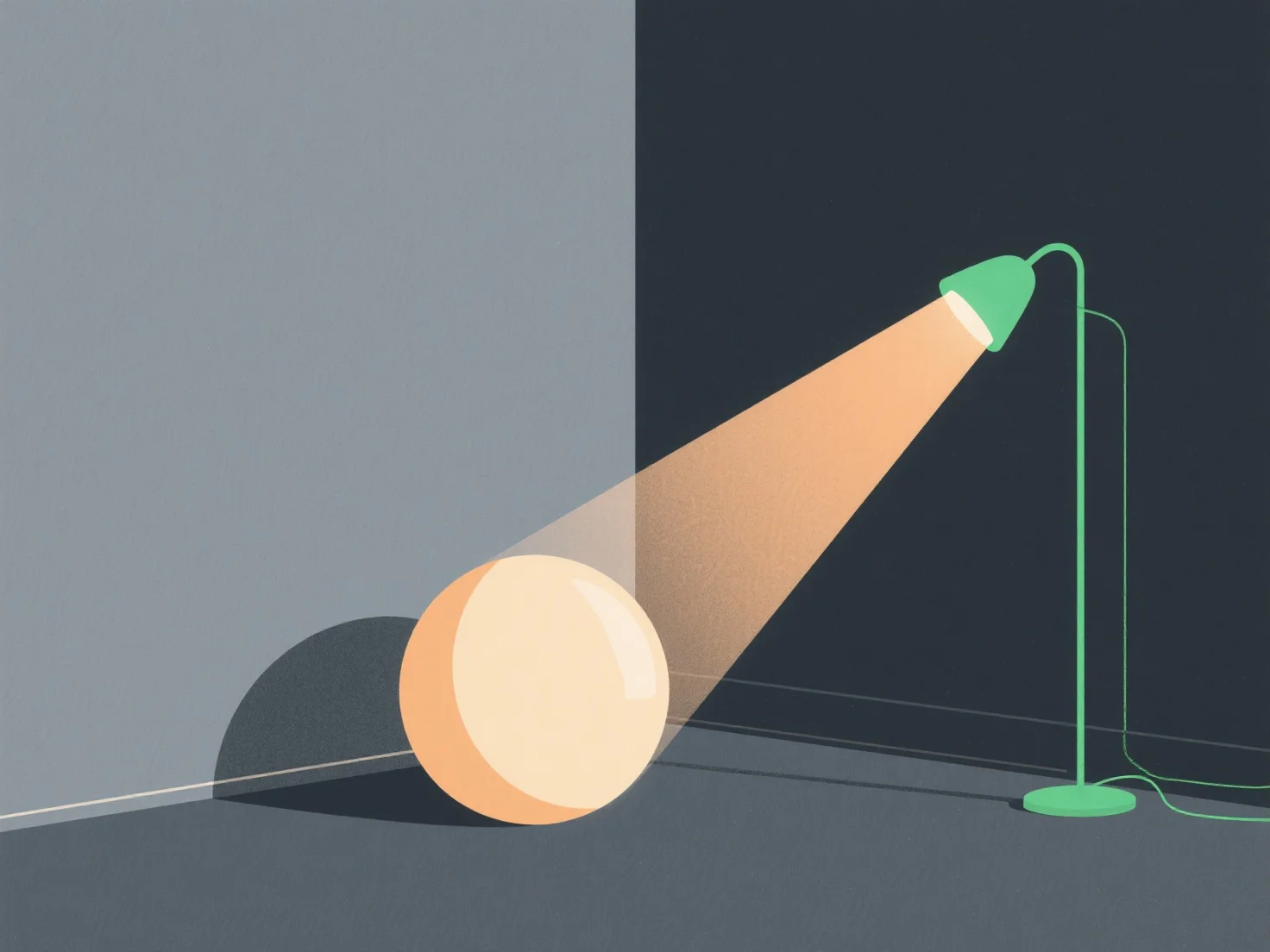
Bounce lighting in 3D rendering simulates light reflecting off surfaces to mimic indirect illumination, enhancing realism.

How does the concept of "bounce lighting" work in 3D rendering?

Bounce lighting in 3D rendering works by simulating light rays that reflect off surfaces and then illuminate other objects or areas, mimicking real-world indirect illumination to enhance scene realism.

It operates through key steps: - **Direct light emission**: Initial rays originate from primary sources (e.g., sun, lamps). - **Surface interaction**: Rays hit surfaces, which absorb some light and reflect the rest based on properties like albedo (reflectivity) and texture. - **Indirect illumination**: Reflected rays act as secondary sources, lighting nearby objects or shadowed regions.

By accounting for these bounced rays, 3D scenes gain softer shadows, natural color blending, and depth, making renders feel lifelike rather than flat.

PreviousNext
製品
Webスタジオ
APIプラットフォーム
機能
画像から3Dへ
マルチビューから3Dへ
リリーフ
セグメンテーション
モデル
汎用モデル
ポートレートモデル
リソース
ブログ
よくある質問
APIドキュメント
私たちについて
料金