Home/Hitem3D FAQ/How does role-based tooling improve 3D workflow efficiency?

How does role-based tooling improve 3D workflow efficiency?

Role-based tooling boosts 3D workflow efficiency via tailored tools, reduced learning, and enhanced team coordination.

How does role-based tooling improve 3D workflow efficiency?

Role-based tooling improves 3D workflow efficiency by customizing tools and interfaces to specific user roles, reducing complexity and streamlining task execution.

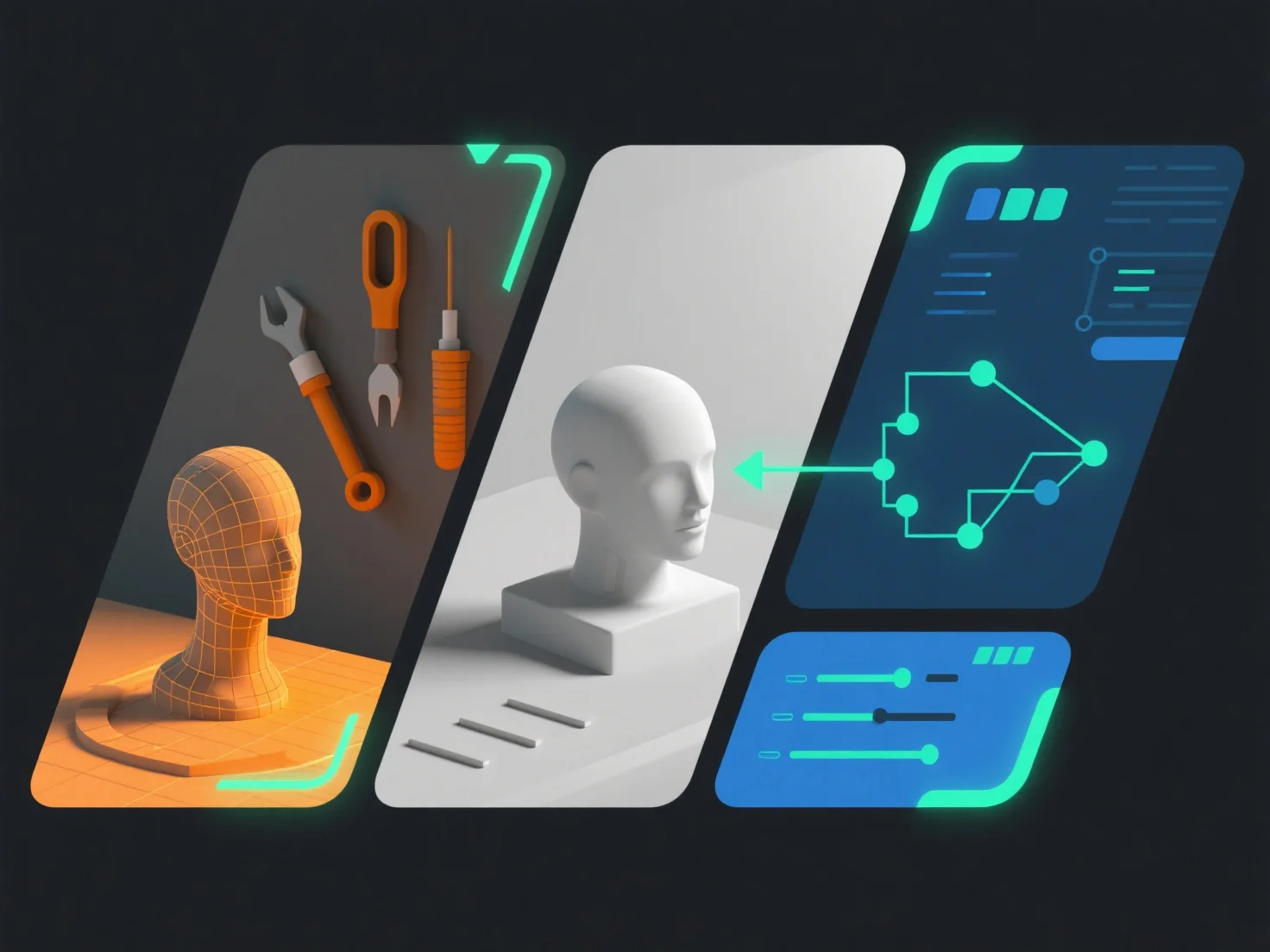
- **Tailored tool access**: Each role (e.g., modelers, animators, renderers) accesses only relevant tools, minimizing distractions and unnecessary steps. - **Reduced learning curve**: Simplified, role-specific interfaces cut training time, letting users master tools faster. - **Enhanced coordination**: Clear role definitions align team efforts, avoiding overlap or gaps in tasks like texturing or rigging.

By focusing on role-specific needs, it optimizes productivity and ensures smooth workflow progression.

PreviousNext
製品
Webスタジオ
APIプラットフォーム
機能
画像から3Dへ
マルチビューから3Dへ
リリーフ
セグメンテーション
モデル
汎用モデル
ポートレートモデル
リソース
ブログ
よくある質問
APIドキュメント
私たちについて
料金