ホーム/Hitem3D FAQ/How does real-time ray tracing compare to traditional rendering in terms of quality standards?

How does real-time ray tracing compare to traditional rendering in terms of quality standards?

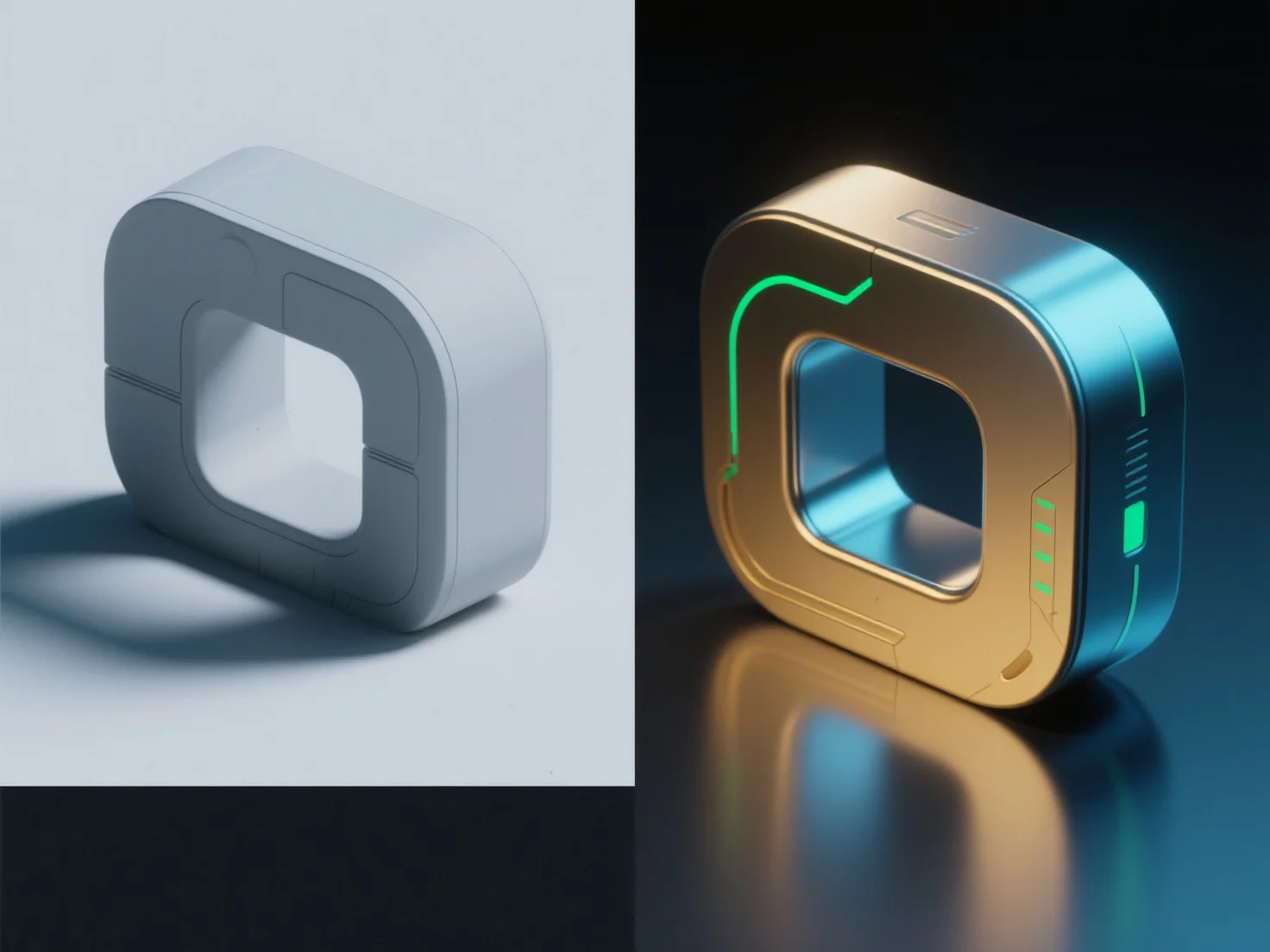
Real-time ray tracing offers more lifelike lighting/realism than traditional rendering via ray-tracing vs approximated techniques.

How does real-time ray tracing compare to traditional rendering in terms of quality standards?

In terms of quality standards, real-time ray tracing generally achieves more lifelike lighting and material realism than traditional rendering.

- Real-time ray tracing simulates light behavior by tracing individual rays, enabling accurate reflections, refractions, soft shadows, and global illumination—key details for lifelike scenes. - Traditional rendering (e.g., rasterization) relies on approximated or precomputed techniques (e.g., shadow maps, ambient occlusion), often resulting in flatter, less dynamic lighting.

For interactive applications like games or VR, testing real-time ray tracing demos helps visually compare its superior lighting accuracy to traditional methods.

前へ次へ
製品
Webスタジオ
APIプラットフォーム
機能
画像から3Dへ
マルチビューから3Dへ
リリーフ
セグメンテーション
モデル
汎用モデル
ポートレートモデル
リソース
ブログ
よくある質問
APIドキュメント
私たちについて
料金