Home/Hitem3D FAQ/How does GPU acceleration improve 3D rendering?

How does GPU acceleration improve 3D rendering?

GPU acceleration streamlines 3D rendering via parallel processing, efficient data handling, and software optimization for fast, high-quality production.

How does GPU acceleration improve 3D rendering?

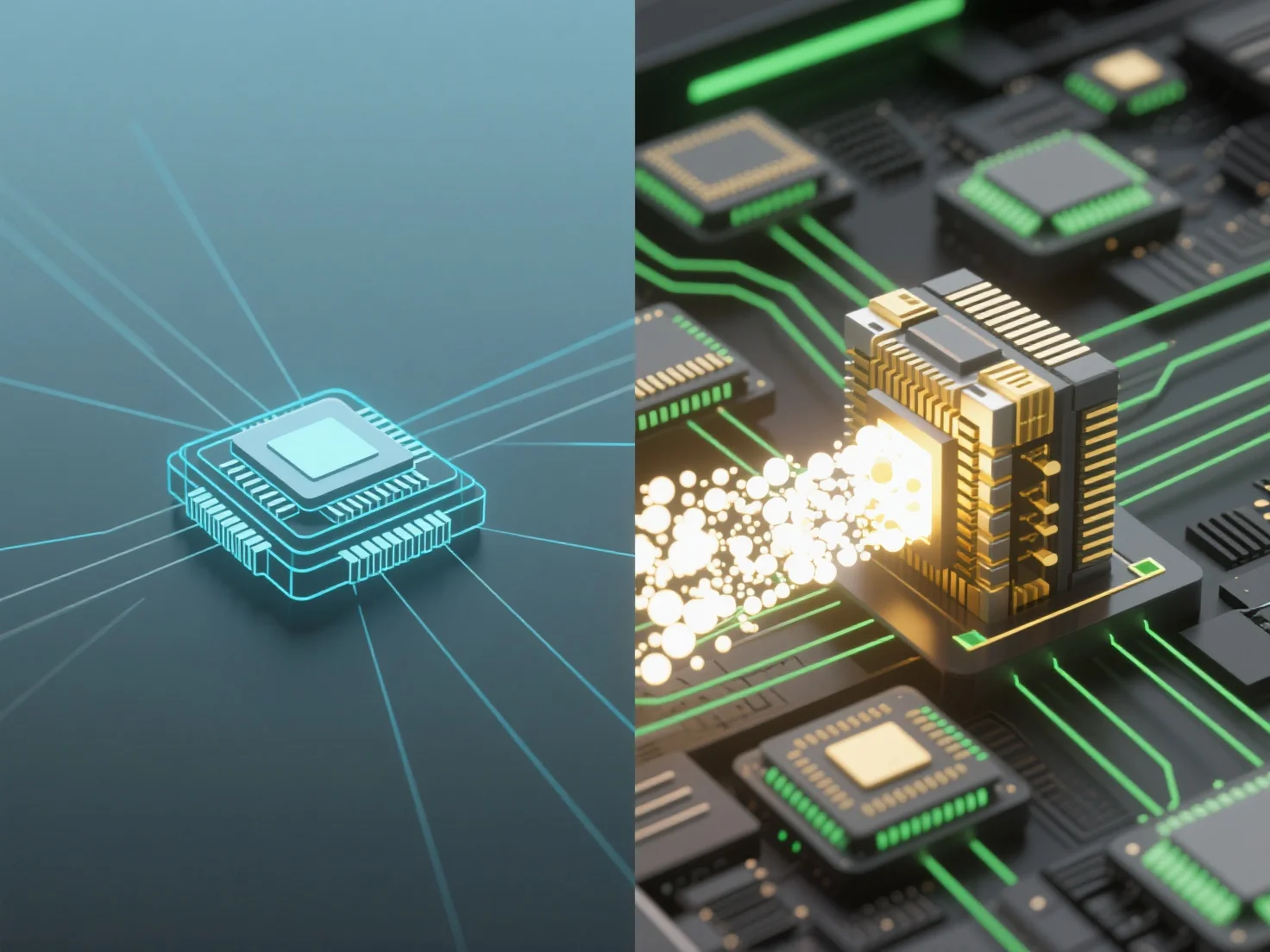
GPU acceleration improves 3D rendering by leveraging parallel processing to handle complex graphics tasks more efficiently than CPUs, significantly reducing rendering time and enhancing output quality.

- Parallel processing power: GPUs feature thousands of cores, enabling simultaneous execution of multiple graphics tasks—such as rendering polygons, applying textures, and calculating lighting effects—unlike CPUs, which focus on sequential processing. - Efficient visual data handling: They excel at processing large volumes of visual data quickly, supporting smooth real-time previews during design and faster final render output for 3D projects. - Software synergy: When paired with GPU-optimized rendering software, it further boosts workflow efficiency, allowing artists to iterate and deliver high-quality results more rapidly.

In summary, GPU acceleration streamlines 3D rendering through parallel processing, efficient data handling, and software optimization, making it indispensable for fast, high-quality 3D graphics production.

PreviousNext
製品
Webスタジオ
APIプラットフォーム
機能
画像から3Dへ
マルチビューから3Dへ
リリーフ
セグメンテーション
モデル
汎用モデル
ポートレートモデル
リソース
ブログ
よくある質問
APIドキュメント
私たちについて
料金