Home/Hitem3D FAQ/How does 3D texture mapping differ from traditional 2D texture mapping?

How does 3D texture mapping differ from traditional 2D texture mapping?

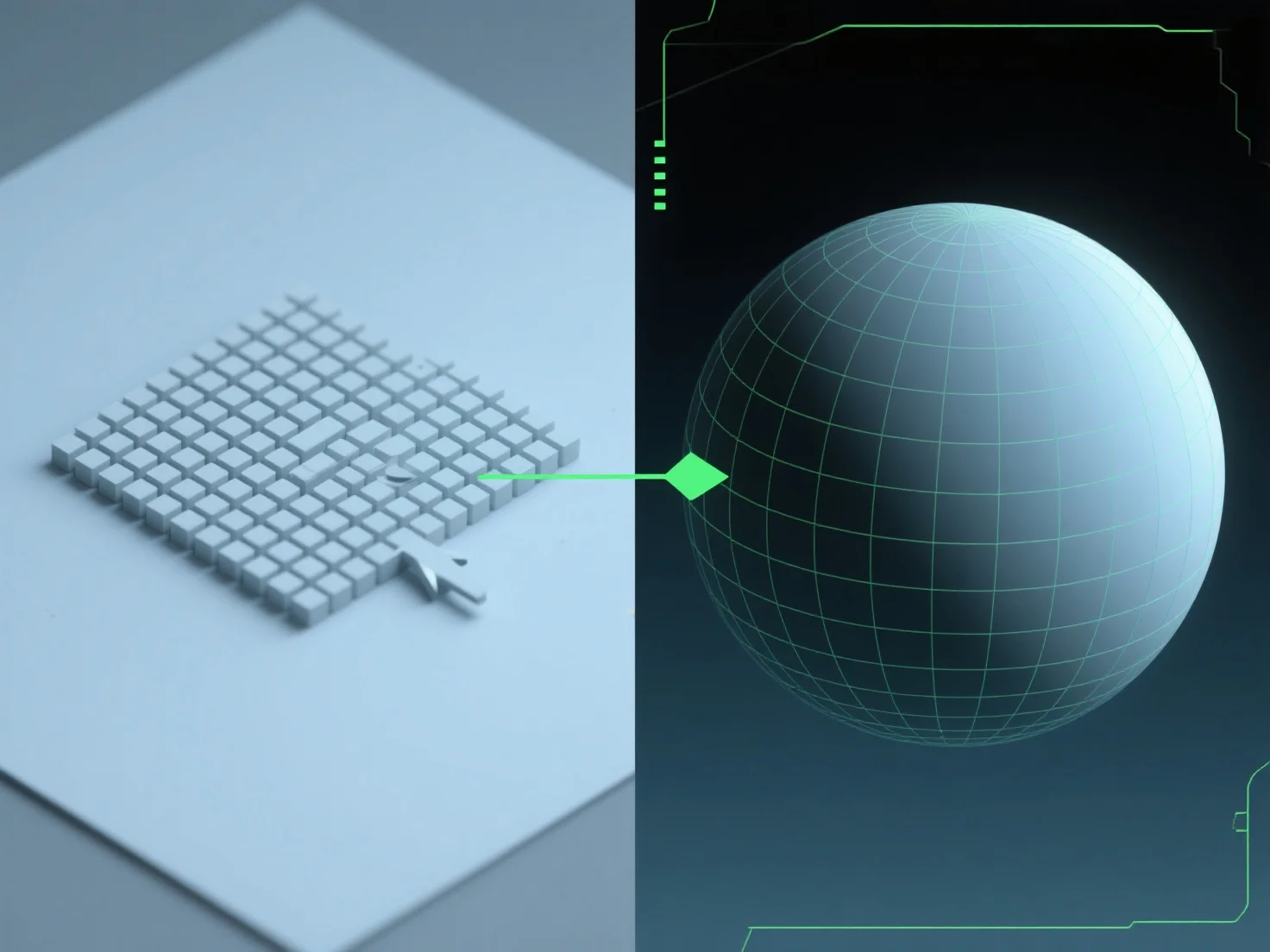
3D texture mapping uses 3D volume data for interior textures, unlike 2D's surface-only 2D images.

How does 3D texture mapping differ from traditional 2D texture mapping?

3D texture mapping differs from traditional 2D texture mapping primarily by using 3D volume data instead of 2D images, enabling textures to exist throughout a 3D model’s interior rather than just on its surface.

- **2D texture mapping**: Wraps 2D images (e.g., photos, patterns) onto a model’s surface to simulate surface details like color or texture, limited to external surfaces. - **3D texture mapping**: Embeds texture data in 3D space, allowing textures to permeate the model’s volume—ideal for volumetric effects such as realistic clouds, subsurface scattering (e.g., skin, marble), or internal material details (e.g., wood grain depth).

This makes 3D mapping more suitable for applications requiring depth and internal texture realism, unlike 2D’s surface-only focus.

PreviousNext
製品
Webスタジオ
APIプラットフォーム
機能
画像から3Dへ
マルチビューから3Dへ
リリーフ
セグメンテーション
モデル
汎用モデル
ポートレートモデル
リソース
ブログ
よくある質問
APIドキュメント
私たちについて
料金