Home/Hitem3D FAQ/How does 3D modeling contribute to environmental conservation projects?

How does 3D modeling contribute to environmental conservation projects?

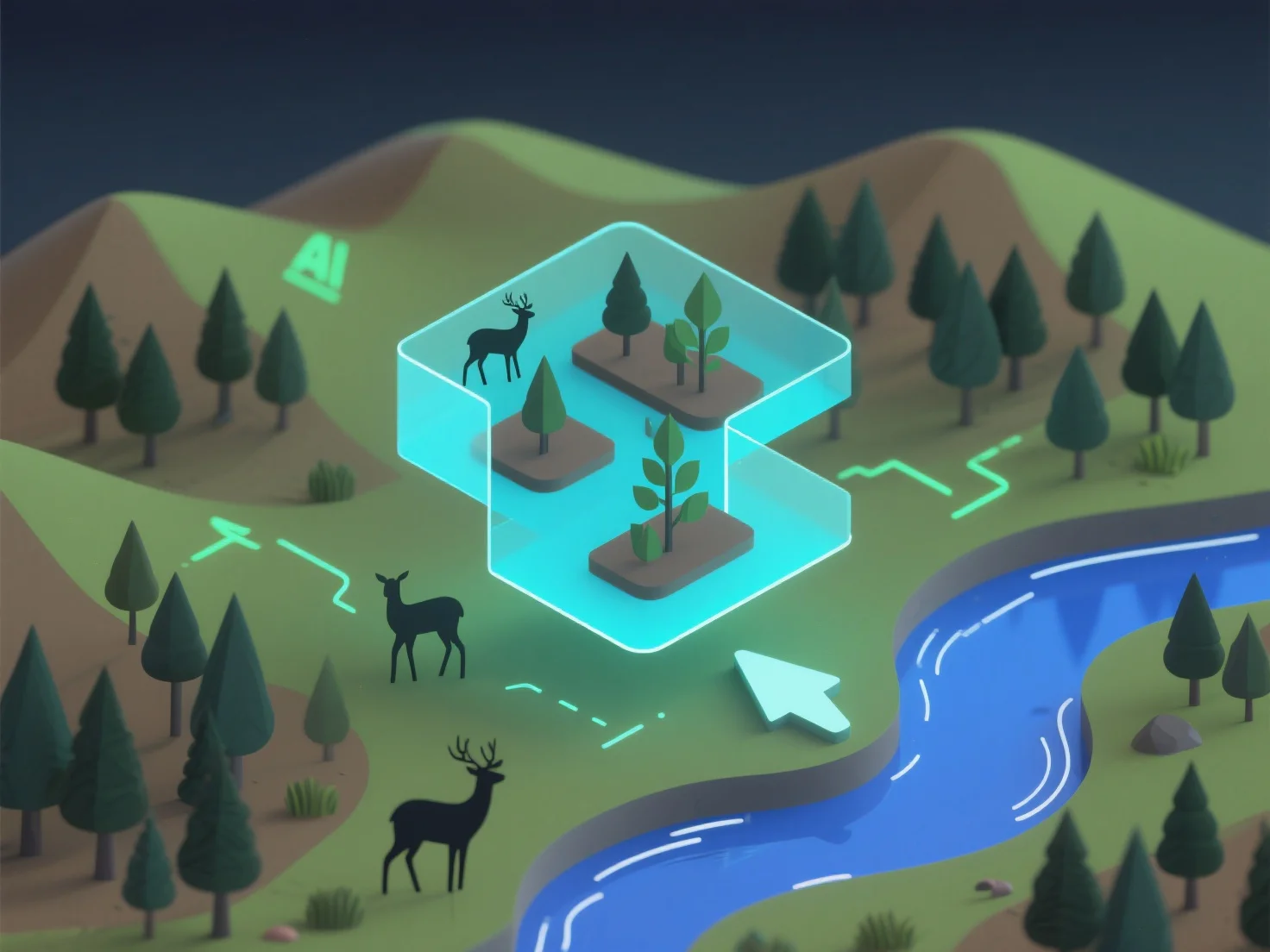
3D modeling aids environmental conservation via visualization, analysis, and planning for habitat mapping, impact prediction, and restoration.

How does 3D modeling contribute to environmental conservation projects?

3D modeling contributes to environmental conservation by enabling precise visualization, analysis, and planning of ecosystems and natural resources, supporting data-driven decisions to protect and restore environments.

Key applications include: - Habitat Mapping: Creating detailed digital replicas of ecosystems (e.g., forests, coral reefs) to monitor changes like deforestation or degradation. - Impact Prediction: Simulating climate change effects (e.g., sea-level rise) to assess risks and develop adaptation strategies. - Restoration Planning: Modeling reforestation or wetland recovery to optimize resource use and predict ecological outcomes.

By integrating 3D models, conservation efforts become more targeted, efficient, and effective in safeguarding biodiversity and natural resources.

PreviousNext
製品
Webスタジオ
APIプラットフォーム
機能
画像から3Dへ
マルチビューから3Dへ
リリーフ
セグメンテーション
モデル
汎用モデル
ポートレートモデル
リソース
ブログ
よくある質問
APIドキュメント
私たちについて
料金