Home/Hitem3D FAQ/How do you optimize models for real-time applications versus offline renderings?

How do you optimize models for real-time applications versus offline renderings?

Real-time model optimization prioritizes speed/efficiency, offline focuses on detail/realism with different techniques.

How do you optimize models for real-time applications versus offline renderings?

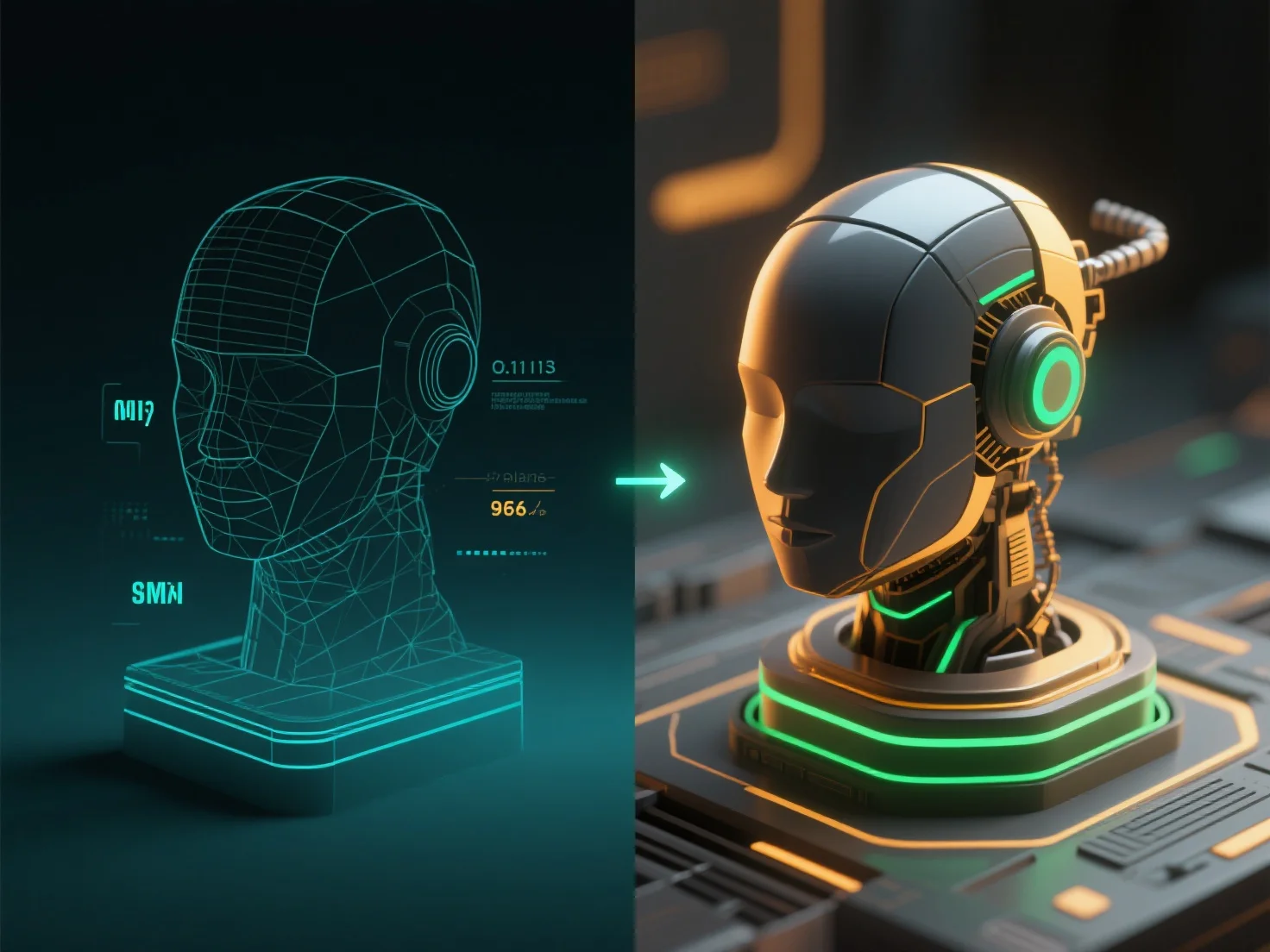
When optimizing models for real-time applications versus offline renderings, the core difference lies in priorities: real-time focuses on rendering speed and hardware efficiency, while offline prioritizes visual detail and realism.

Real-time applications (e.g., games, AR/VR) require smooth high frame rates, so they use lower polygon counts, compressed/simplified textures, and lightweight shaders to reduce GPU load. Offline renderings (e.g., films, architectural visualizations) leverage higher polygon counts, detailed 4K+ textures, and complex lighting effects since rendering time is less critical.

Key optimization steps depend on the target: for real-time, prioritize polygon reduction and texture compression; for offline, focus on detail preservation and advanced material setups.

PreviousNext
製品
Webスタジオ
APIプラットフォーム
機能
画像から3Dへ
マルチビューから3Dへ
リリーフ
セグメンテーション
モデル
汎用モデル
ポートレートモデル
リソース
ブログ
よくある質問
APIドキュメント
私たちについて
料金