Home/Hitem3D FAQ/How do joints and constraints in rigging affect model behavior?

How do joints and constraints in rigging affect model behavior?

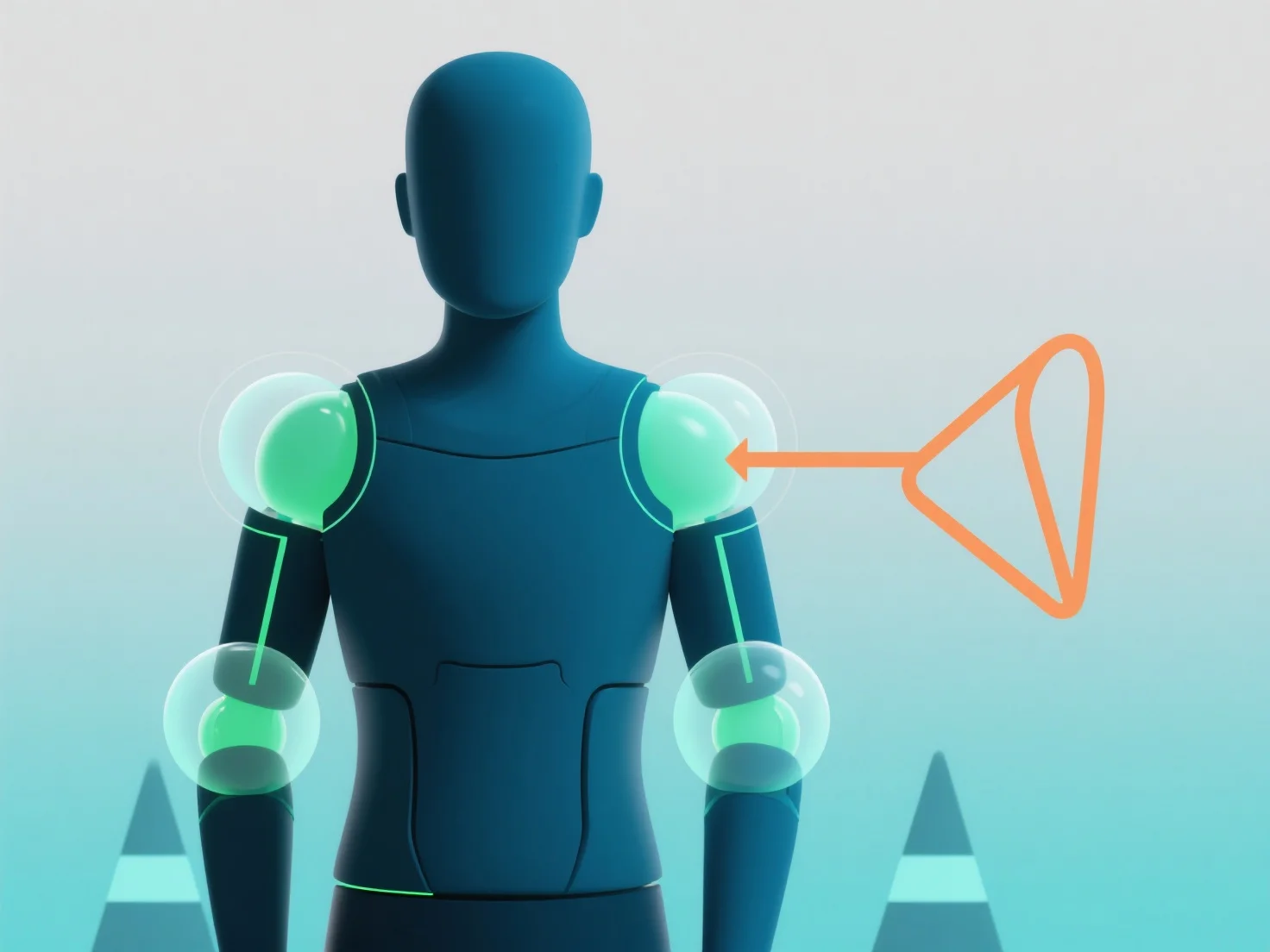
Joints as pivot points and constraints guiding movement together enable controlled, realistic 3D model animation with structural stability.

How do joints and constraints in rigging affect model behavior?

Joints and constraints in rigging directly determine a 3D model’s movement behavior and structural stability during animation.

Joints act as pivot points, enabling core motions like rotation (e.g., elbows) or bending (e.g., knees), forming the model’s "skeleton" to define basic movement ranges.

Constraints, such as IK (Inverse Kinematics), limit, or parent-child constraints, restrict or guide movement—IK keeps limbs aligned when reaching, limit constraints prevent over-rotation, and parent-child links ensure hierarchical motion (e.g., a hand moving with an arm).

Together, they ensure the model moves in a controlled, realistic way, avoiding disjointed or unnatural poses and maintaining structural integrity.

PreviousNext
製品
Webスタジオ
APIプラットフォーム
機能
画像から3Dへ
マルチビューから3Dへ
リリーフ
セグメンテーション
モデル
汎用モデル
ポートレートモデル
リソース
ブログ
よくある質問
APIドキュメント
私たちについて
料金