Home/Hitem3D FAQ/How do industry requirements shape 3D modeling workflows?

How do industry requirements shape 3D modeling workflows?

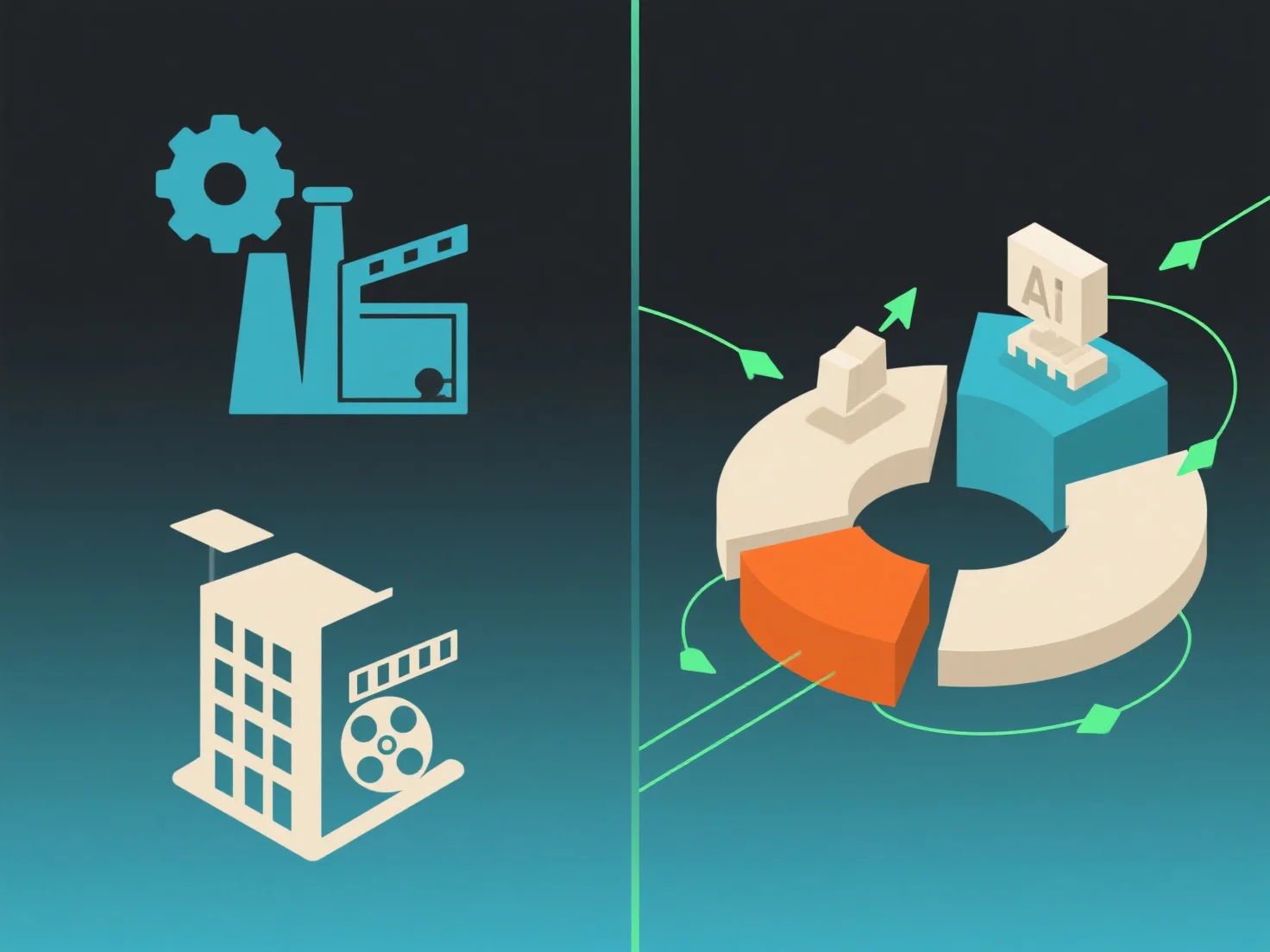
Industry requirements shape 3D modeling workflows via technical standards, output formats, and process priorities for application alignment.

How do industry requirements shape 3D modeling workflows?

Industry requirements shape 3D modeling workflows by defining technical standards, output formats, and process priorities, ensuring alignment with application scenarios.

Key influences include: - **Technical standards**: Dictate polygon count (e.g., high for film, low for real-time games) and texture resolution to meet quality or performance needs. - **Output formats**: Specify file types (e.g., OBJ for 3D printing, FBX for game engines) for compatibility with industry tools. - **Process priorities**: Guide collaboration tools (e.g., version control for teams) and workflow stages, balancing efficiency with demands like manufacturing precision or gaming frame rates.

This alignment ensures workflows deliver results meeting both technical and application requirements.

PreviousNext
製品
Webスタジオ
APIプラットフォーム
機能
画像から3Dへ
マルチビューから3Dへ
リリーフ
セグメンテーション
モデル
汎用モデル
ポートレートモデル
リソース
ブログ
よくある質問
APIドキュメント
私たちについて
料金