Home/Hitem3D FAQ/How do file format standards affect 3D model adaptation across different applications?

How do file format standards affect 3D model adaptation across different applications?

File format standards affect 3D model adaptation via compatibility, data integrity, usability; unified ones preserve data, accepted formats simplify adaptation.

How do file format standards affect 3D model adaptation across different applications?

File format standards directly impact 3D model adaptation across applications by determining compatibility, data integrity, and usability.

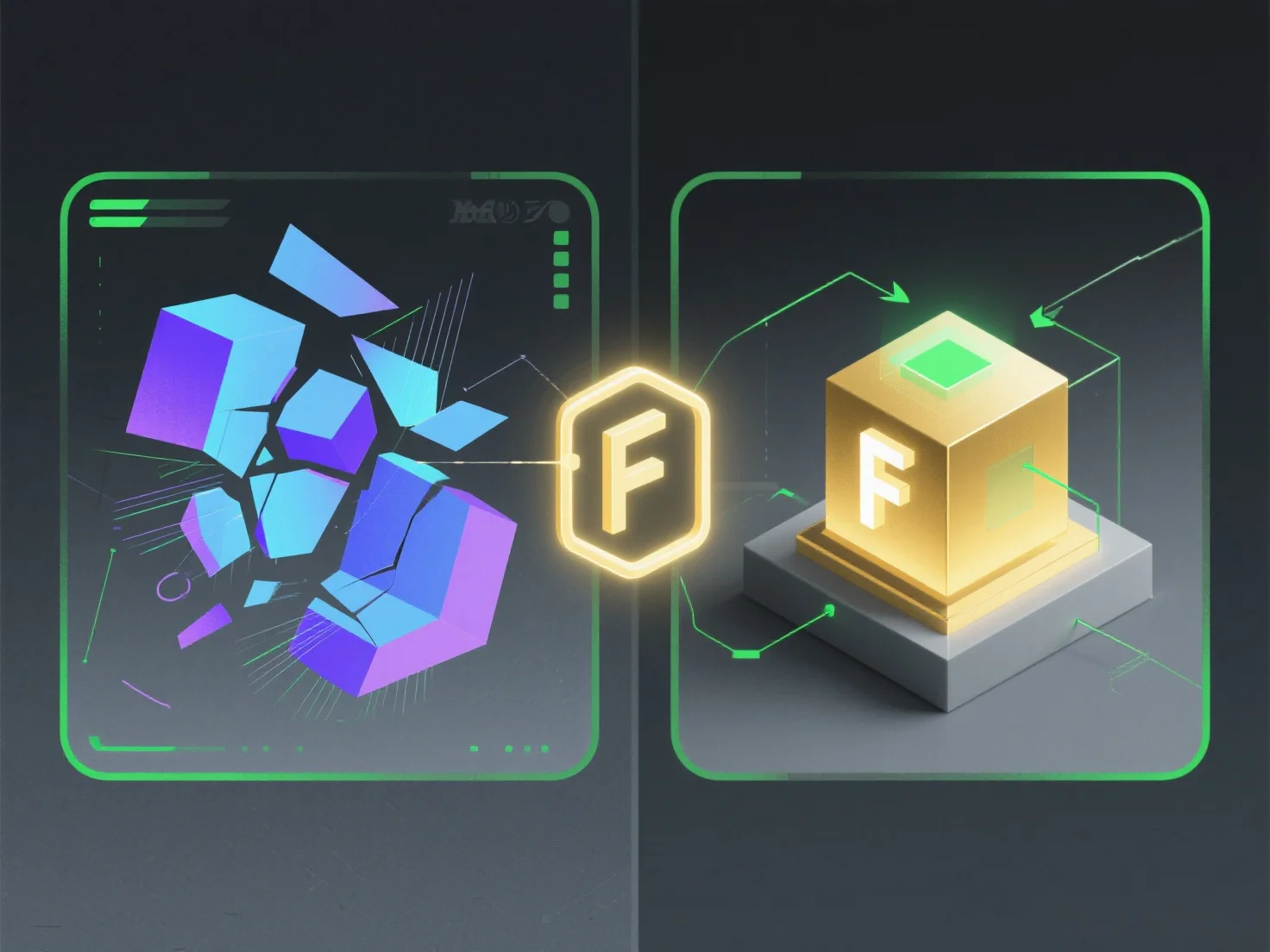
Inconsistent standards often cause issues: They may lead to data loss (e.g., missing textures or animations) or compatibility errors, making models unopenable or distorted when transferred between tools.

Unified standards, however, preserve key data (geometry, materials, animations) during transfer, ensuring models remain editable, viewable, or usable across diverse applications like CAD software, game engines, or AR/VR platforms.

To simplify adaptation, using widely accepted formats (e.g., FBX, OBJ, GLB) is key, as they balance compatibility and feature support across most tools.

PreviousNext
製品
Webスタジオ
APIプラットフォーム
機能
画像から3Dへ
マルチビューから3Dへ
リリーフ
セグメンテーション
モデル
汎用モデル
ポートレートモデル
リソース
ブログ
よくある質問
APIドキュメント
私たちについて
料金