Home/Hitem3D FAQ/How do diminishing returns apply to 3D visual fidelity?

How do diminishing returns apply to 3D visual fidelity?

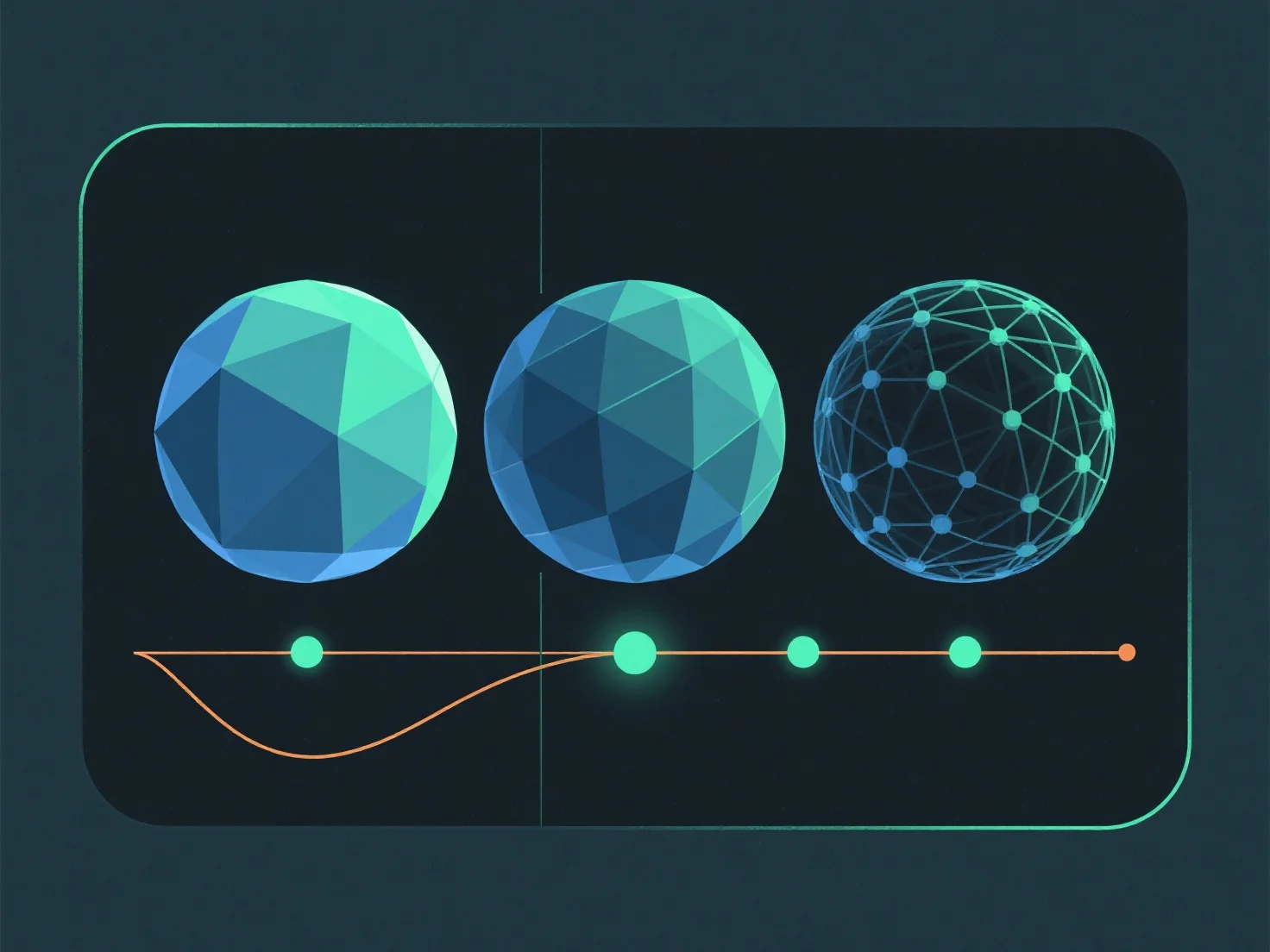
Increasing 3D visual resources beyond a threshold yields smaller perceived improvements, causing diminishing returns.

How do diminishing returns apply to 3D visual fidelity?

Diminishing returns in 3D visual fidelity occur when increasing resources to提升 visual quality yields progressively smaller perceived improvements beyond a certain threshold.

Early investments show clear gains: For example, upgrading from low to medium polygon counts or basic to high-def textures noticeably boosts realism, as viewers easily spot missing details.

Beyond a key point, returns drop sharply: Raising polygon counts from millions to tens of millions or texture resolution from 4K to 8K demands far more resources (e.g., stronger hardware, longer rendering times) but results in subtle differences—often imperceptible to most viewers unless zoomed in closely.

Thus, while initial efforts in 3D visual fidelity deliver significant benefits, excessive focus on ultra-high detail leads to diminishing returns, where the cost or effort outweighs visible improvements.

PreviousNext
製品
Webスタジオ
APIプラットフォーム
機能
画像から3Dへ
マルチビューから3Dへ
リリーフ
セグメンテーション
モデル
汎用モデル
ポートレートモデル
リソース
ブログ
よくある質問
APIドキュメント
私たちについて
料金