Home/Hitem3D FAQ/How do 3D solutions adapt differently to online and offline scenarios?

How do 3D solutions adapt differently to online and offline scenarios?

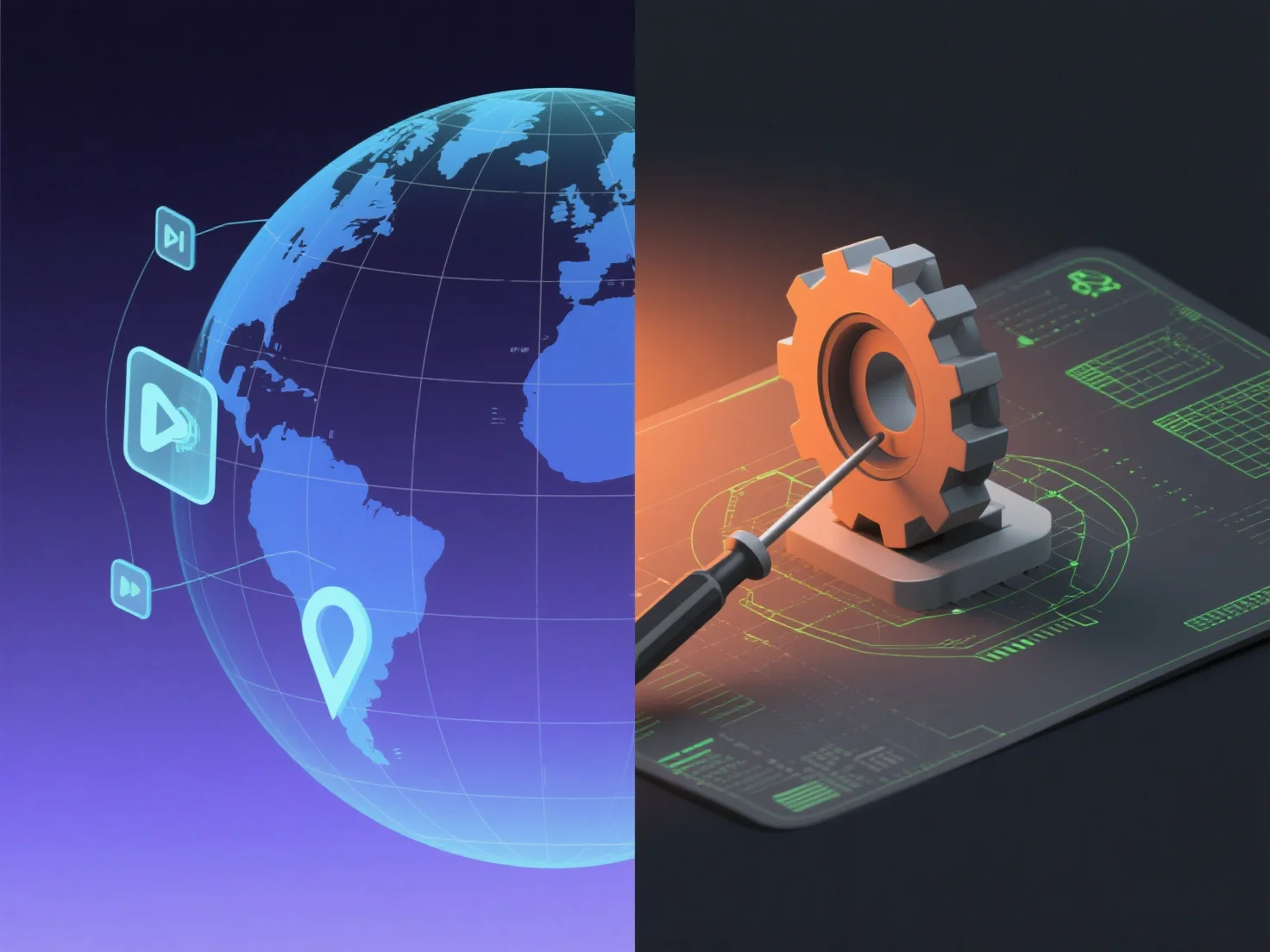
3D solutions adapt to online/offline scenarios via data transmission, interaction, hardware reliance, with online for collaboration/remote and offline for detailed design/simulations.

How do 3D solutions adapt differently to online and offline scenarios?

3D solutions adapt to online and offline scenarios primarily through differences in data transmission, interaction modes, and hardware reliance.

Online 3D solutions prioritize lightweight models and real-time rendering to minimize network latency, often using cloud computing for resource-intensive tasks like AR/VR streaming.

Offline 3D solutions, by contrast, leverage local hardware for high-detail rendering and complex interactions, such as desktop design software or in-person exhibitions with physical 3D models.

In practice, online scenarios suit collaborative projects or remote access, while offline is better for detailed design or high-performance simulations.

PreviousNext
製品
Webスタジオ
APIプラットフォーム
機能
画像から3Dへ
マルチビューから3Dへ
リリーフ
セグメンテーション
モデル
汎用モデル
ポートレートモデル
リソース
ブログ
よくある質問
APIドキュメント
私たちについて
料金