


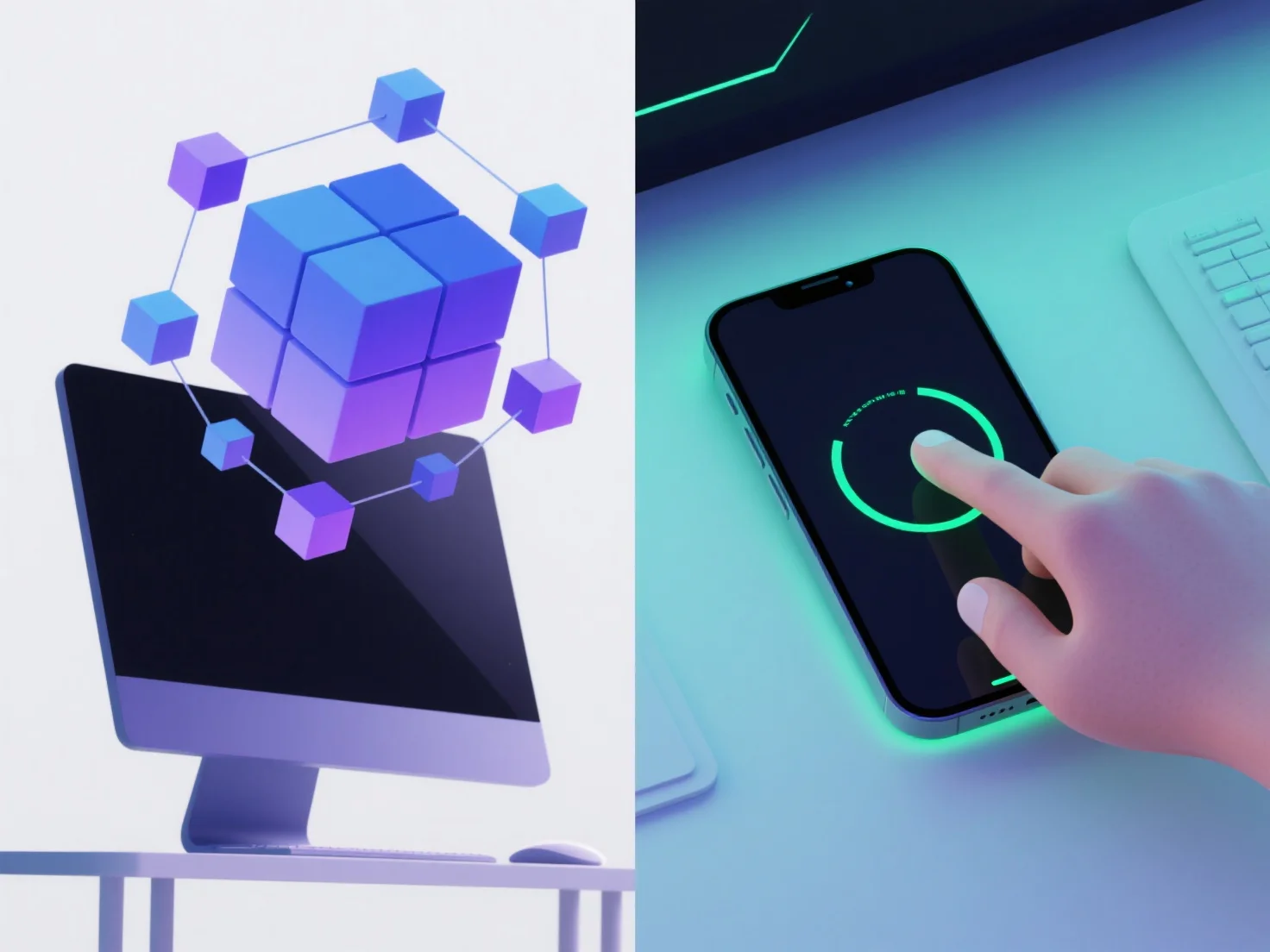
デスクトップユーザーとモバイルユーザーの間で3D体験が異なる主な点は、パフォーマンス、対話方法、表示品質などです。
デスクトップ型3Dは、強力なハードウェアによってサポートされ、詳細なテクスチャやスムーズなレンダリングによって高いグラフィックスの忠実度を実現します。マウス、キーボード、コントローラーを介した複雑なインタラクションが可能であり、3Dデザイン、没入感のあるゲーム、またはプロフェッショナルなビジュアライゼーションに最適です。
モバイル3Dは、小型デバイスでスムーズに動作するように最適化されたパフォーマンスを優先し、シンプルなグラフィックスを採用しています。ARアプリやクイック製品プレビュー、カジュアルゲームなどで一般的なタッチベースのコントロールを利用して、直観的な操作を実現しています。
プラットフォームを選択する際には、詳細で高級な体験を求める場合はデスクトップを選択し、アクセシビリティと利便性を重視する場合はモバイルを選択することをお勧めします。