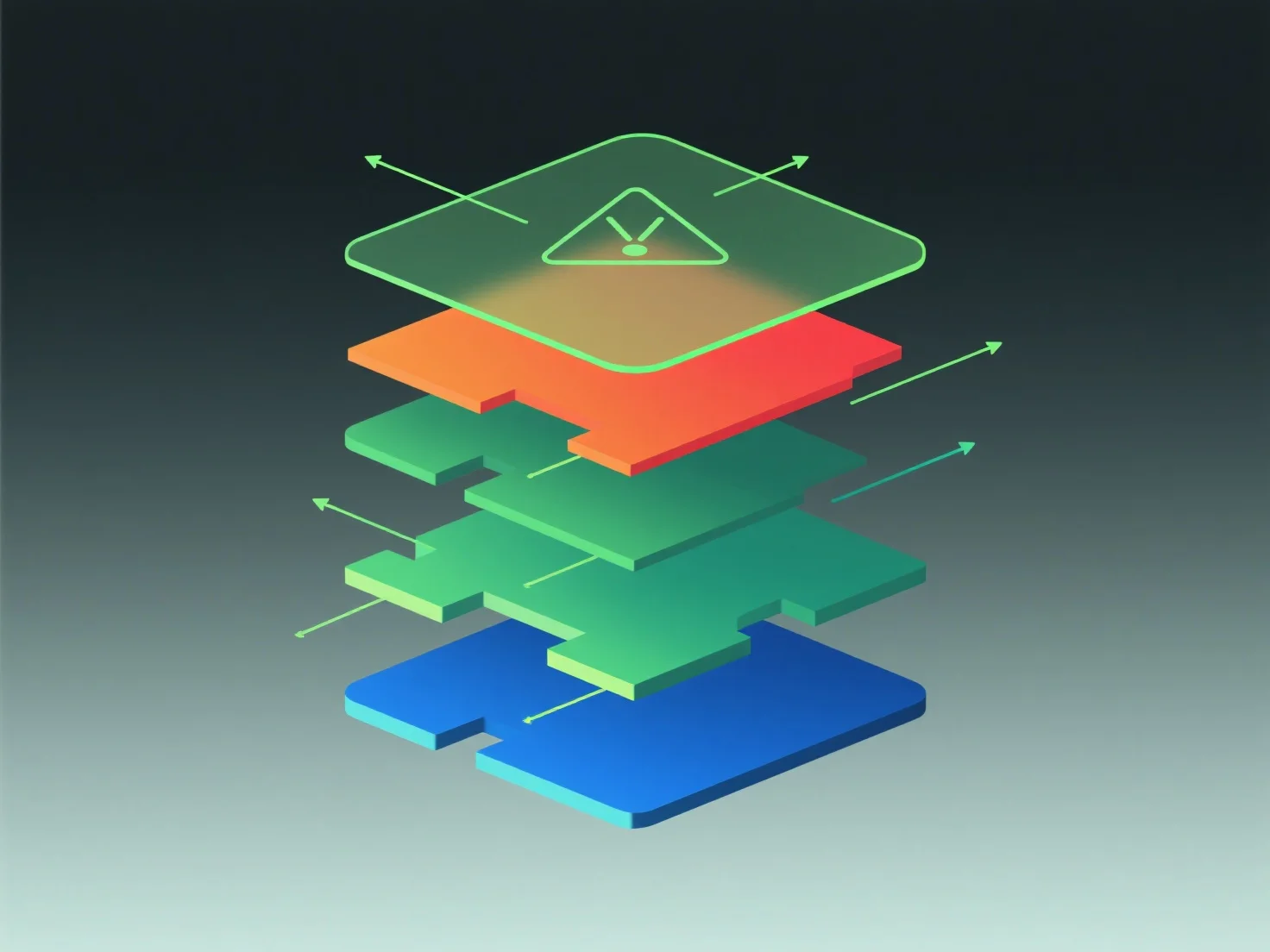
Higher 3D customization levels generally increase implementation risk by introducing greater design complexity, integration challenges, and testing requirements.
- **Design complexity**: More tailored features often involve unique geometries or specialized functionalities, raising the risk of design errors, rework, or unforeseen technical limitations. - **Integration hurdles**: Customized 3D elements may require specialized tools or workflows, increasing compatibility issues with existing software, hardware, or production systems. - **Testing demands**: Unique customizations need more extensive testing to validate performance, functionality, and scalability, extending development cycles and resource costs.
For projects prioritizing stability and efficiency, moderate customization levels help balance personalization needs with manageable risk.
