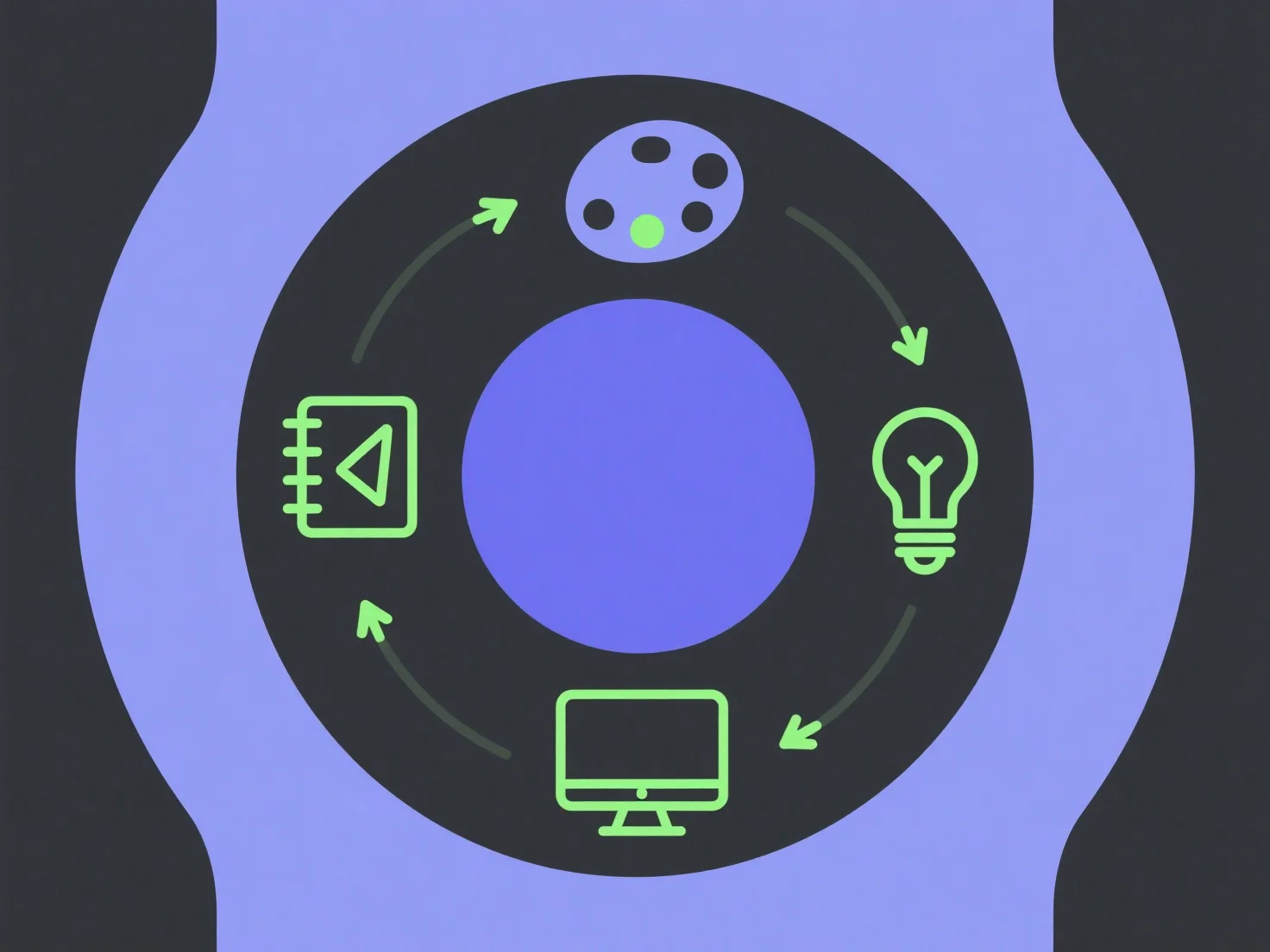
Tahapan khas dalam proses pemodelan 3D termasuk desain konsep, pemodelan 3D, tekstur, rigging, animasi, dan rendering. Setiap tahap berlangsung secara berturut-turut: - Desain konsep: Mendefinisikan penampilan dan struktur objek melalui sketsa atau referensi untuk memandu alur kerja. - Pemodelan 3D: Membangun bentuk dasar menggunakan perangkat lunak (misalnya, Blender, Maya) untuk membuat mesh atau wireframe. - Tekstur: Menambahkan detail permukaan seperti warna, pola, dan bahan untuk meningkatkan realisme. - Rigging: Membuat kerangka (tulang/sendi) untuk memungkinkan gerakan pada model dinamis. - Animasi: Memanipulasi rig untuk menganimasikan urutan gerakan (misalnya, gerakan karakter). - Rendering: Menghasilkan output visual akhir dengan pencahayaan dan efek untuk hasil yang profesional. Proses terstruktur ini memastikan kejelasan, sehingga memudahkan untuk menyempurnakan setiap tahap dan mencapai model 3D profesional.


Apa tahapan-tahapan khas dalam proses pemodelan 3D?
Proses pemodelan 3D memiliki tahapan berurutan: desain konsep, pemodelan 3D, tekstur, rigging, animasi, dan rendering.