


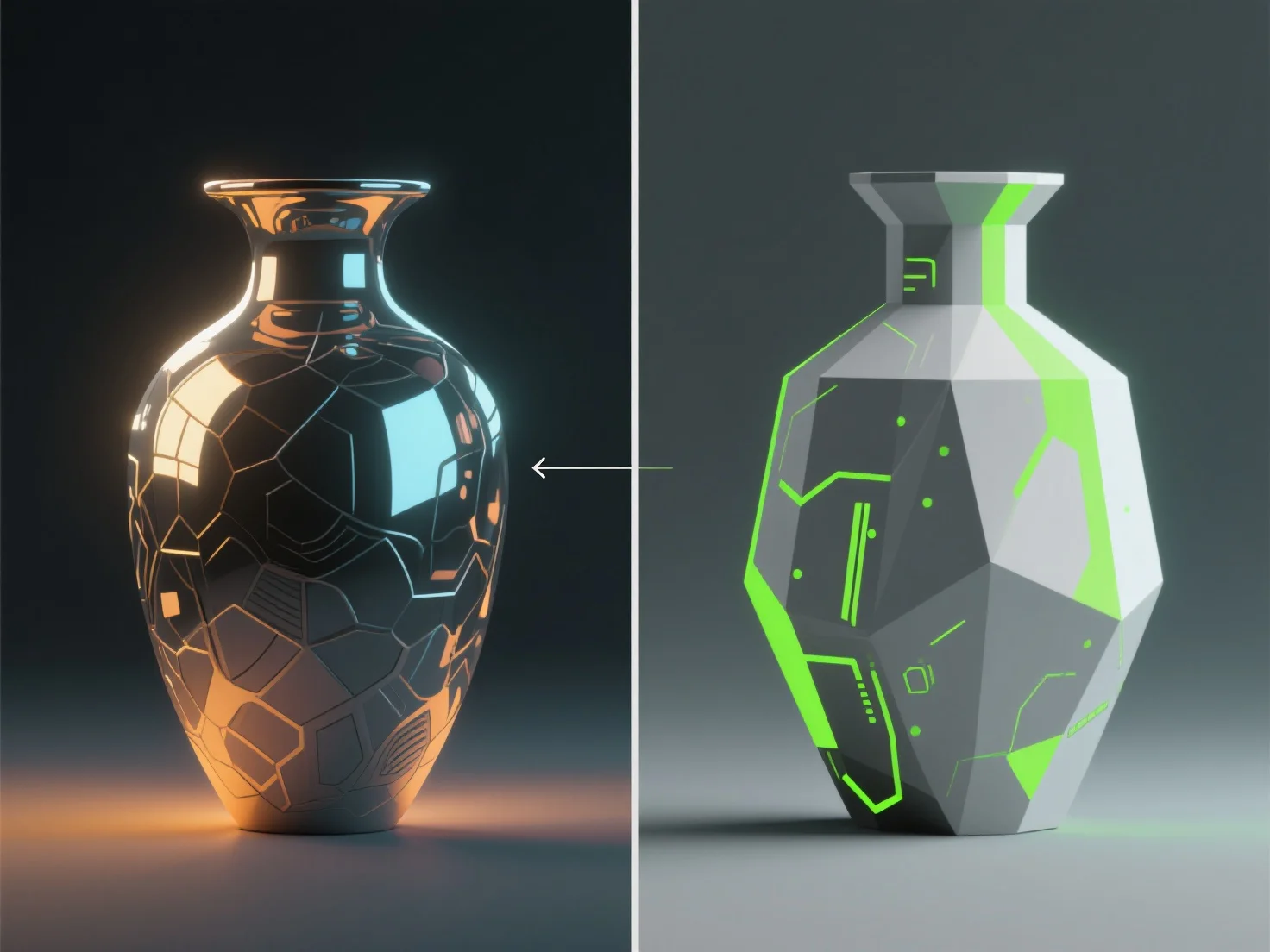
Tantangan utama dalam mencapai kualitas fotorealistik dalam rendering real-time adalah menyeimbangkan kesetiaan visual yang tinggi dengan tuntutan kinerja real-time yang ketat (biasanya 30-60 FPS), yang membatasi sumber daya komputasi untuk elemen-elemen realistis.
Kendala utama meliputi: - Pencahayaan realistis (misalnya, pencahayaan global) dan tekstur beresolusi tinggi, yang membutuhkan memori/pemrosesan GPU yang signifikan. - Elemen dinamis.
Mitigasi melibatkan optimisasi seperti model level-of-detail (LOD), pencahayaan yang dipanggang, atau peningkatan AI untuk menyeimbangkan kualitas dan kinerja.