


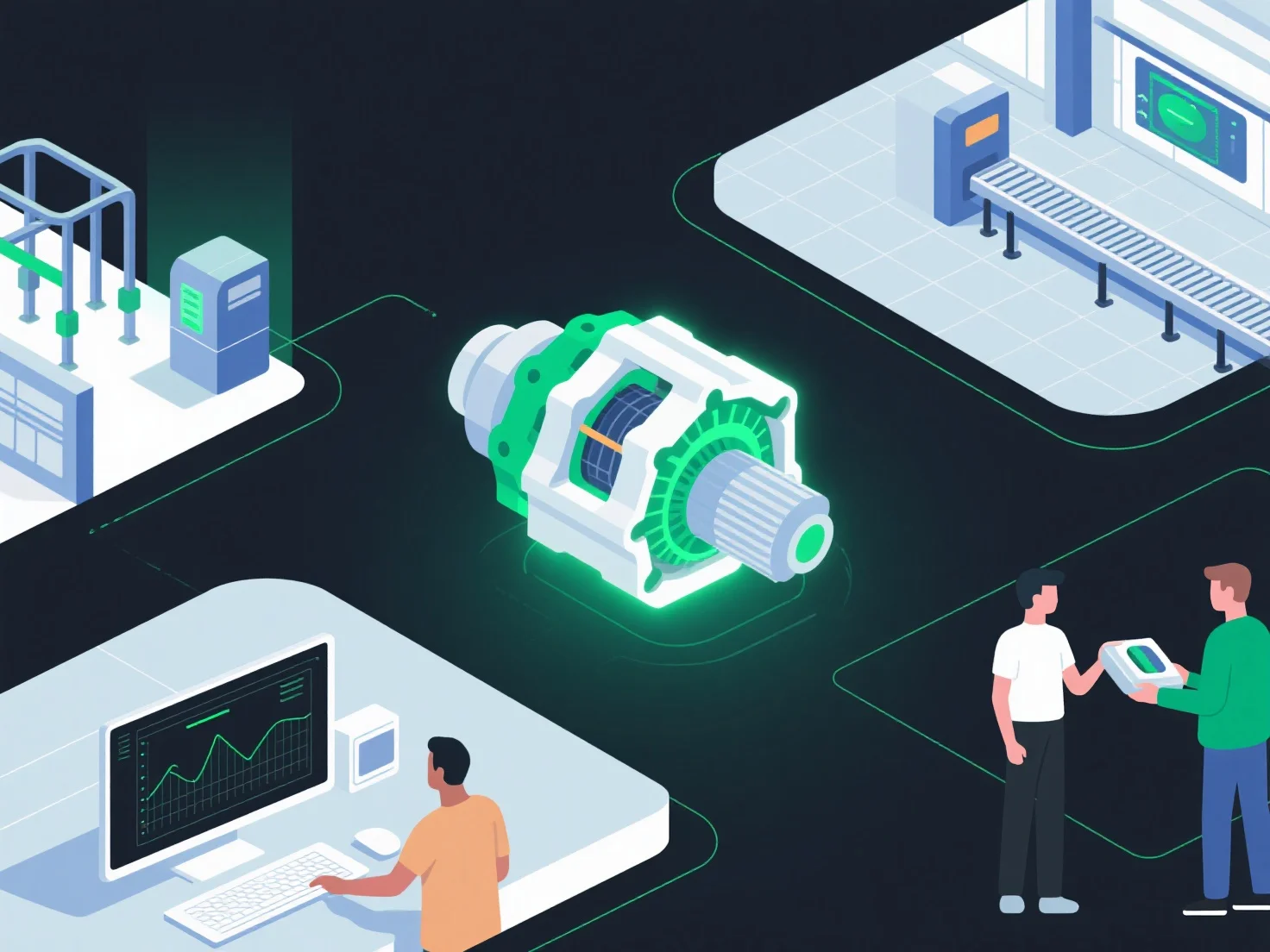
Pemodelan 3D merupakan bagian integral dari manajemen siklus hidup produk end-to-end dengan bertindak sebagai thread digital terpadu yang menghubungkan tahap desain, produksi, dan pemeliharaan, memastikan konsistensi dan efisiensi operasional di seluruh siklus hidup produk.
- **Desain Konsep**: Ini memvisualisasikan ide-ide awal dengan model 3D terperinci, mengurangi ambiguitas dan menyelaraskan tim lintas fungsional pada tujuan desain. - **Prototyping & Pengujian**: Memungkinkan prototyping virtual untuk mensimulasikan dan menyempurnakan desain (misalnya, integritas struktural, kegunaan) sebelum produksi fisik, memotong waktu dan biaya iterasi. - **Optimisasi Manufaktur**: Terintegrasi dengan alat produksi untuk mensimulasikan proses (misalnya, perakitan, aliran material), mengidentifikasi kemacetan, dan mengoptimalkan alur kerja untuk skalabilitas. - **Pemeliharaan & Layanan**: Membuat kembaran digital untuk tugas-tugas pasca-peluncuran seperti pemecahan masalah, penggantian suku cadang, dan pemantauan kinerja melalui referensi visual yang kaya data.
Dengan menghubungkan tahap-tahap ini, pemodelan 3D mempermudah kolaborasi dan mengurangi kesalahan, menjadikannya landasan untuk manajemen siklus hidup produk end-to-end yang efisien.