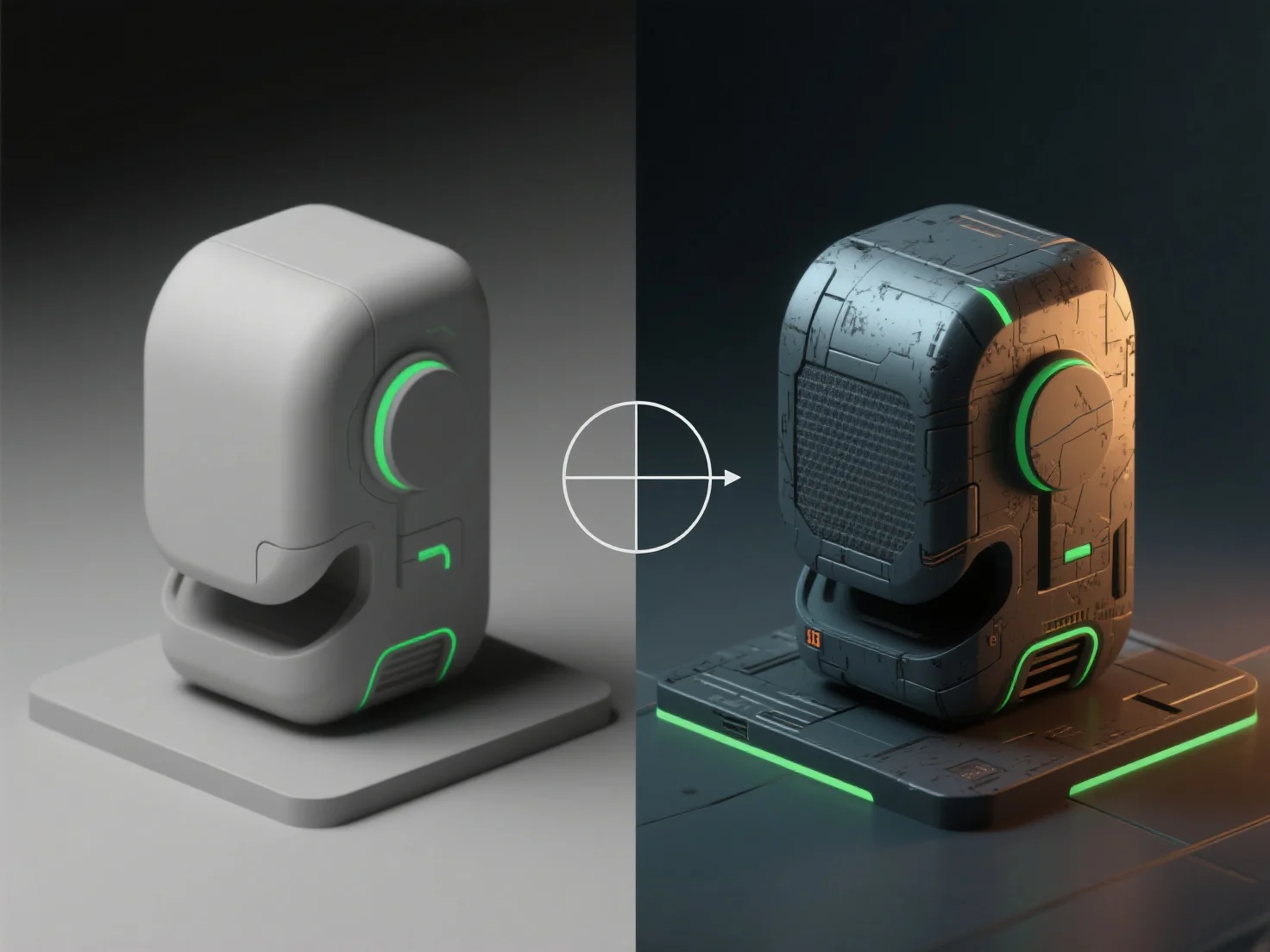
Kualitas tekstur dalam rendering real-time dan offline sangat berbeda dalam hal resolusi, detail, dan fokus optimasi. Rendering real-time memprioritaskan kecepatan untuk tampilan langsung, sehingga tekstur sering kali memiliki resolusi lebih rendah, disederhanakan, dan dioptimalkan untuk kinerja. Ukuran file yang lebih kecil dan detail yang lebih sedikit untuk memastikan rendering yang halus dan cepat. Rendering offline, yang tidak terbatas oleh batasan kecepatan real-time, menggunakan tekstur resolusi tinggi dengan detail yang kaya, termasuk pola yang kompleks, respons pencahayaan yang realistis, dan variasi permukaan yang halus seperti tonjolan atau refleksi. Singkatnya, tekstur real-time cocok untuk pratinjau cepat atau aplikasi interaktif, sedangkan tekstur offline memberikan kualitas yang lebih tinggi untuk output akhir seperti film atau visualisasi terperinci.


Bagaimana kualitas tekstur berbeda antara rendering real-time dan offline?
Renderan waktu nyata menggunakan tekstur beresolusi rendah dan disederhanakan untuk kecepatan; offline menggunakan tekstur beresolusi tinggi dan terperinci untuk kualitas.