


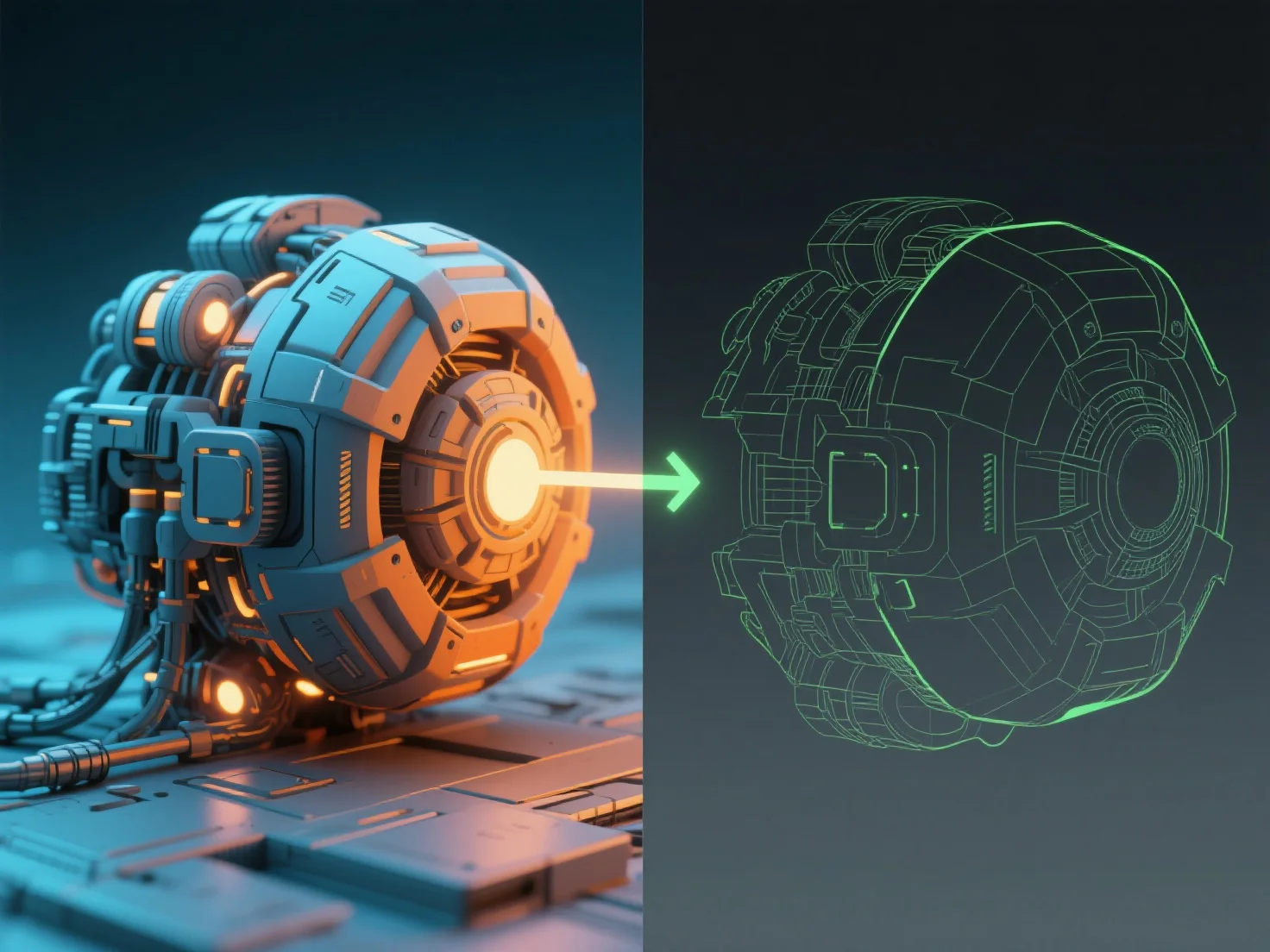
Komposisi model 3D, termasuk jumlah poligon, ukuran tekstur, dan kompleksitas geometri, secara langsung memengaruhi kinerja real-time: kompleksitas yang lebih tinggi meningkatkan beban rendering, yang mengakibatkan frame rate lebih lambat, lag, atau stuttering.
Elemen-elemen komposisi kunci dan dampaknya: - Jumlah poligon: Poligon yang berlebihan membebani GPU, menyebabkan penurunan frame dalam game atau AR/VR; mengurangi poligon yang tidak penting dapat meningkatkan kecepatan pemrosesan. - Ukuran tekstur: Tekstur besar yang tidak terkompresi meningkatkan penggunaan memori, memperlambat pemuatan dan rendering; tekstur yang terkompresi/beresolusi lebih rendah dapat meringankan beban ini. - Detail geometris: Bentuk yang terlalu rumit.
Untuk mengoptimalkan, seimbangkan komposisi dengan mengurangi poligon, menggunakan tekstur terkompresi, atau menerapkan teknik level-of-detail (LOD) untuk mempertahankan kinerja real-time.