


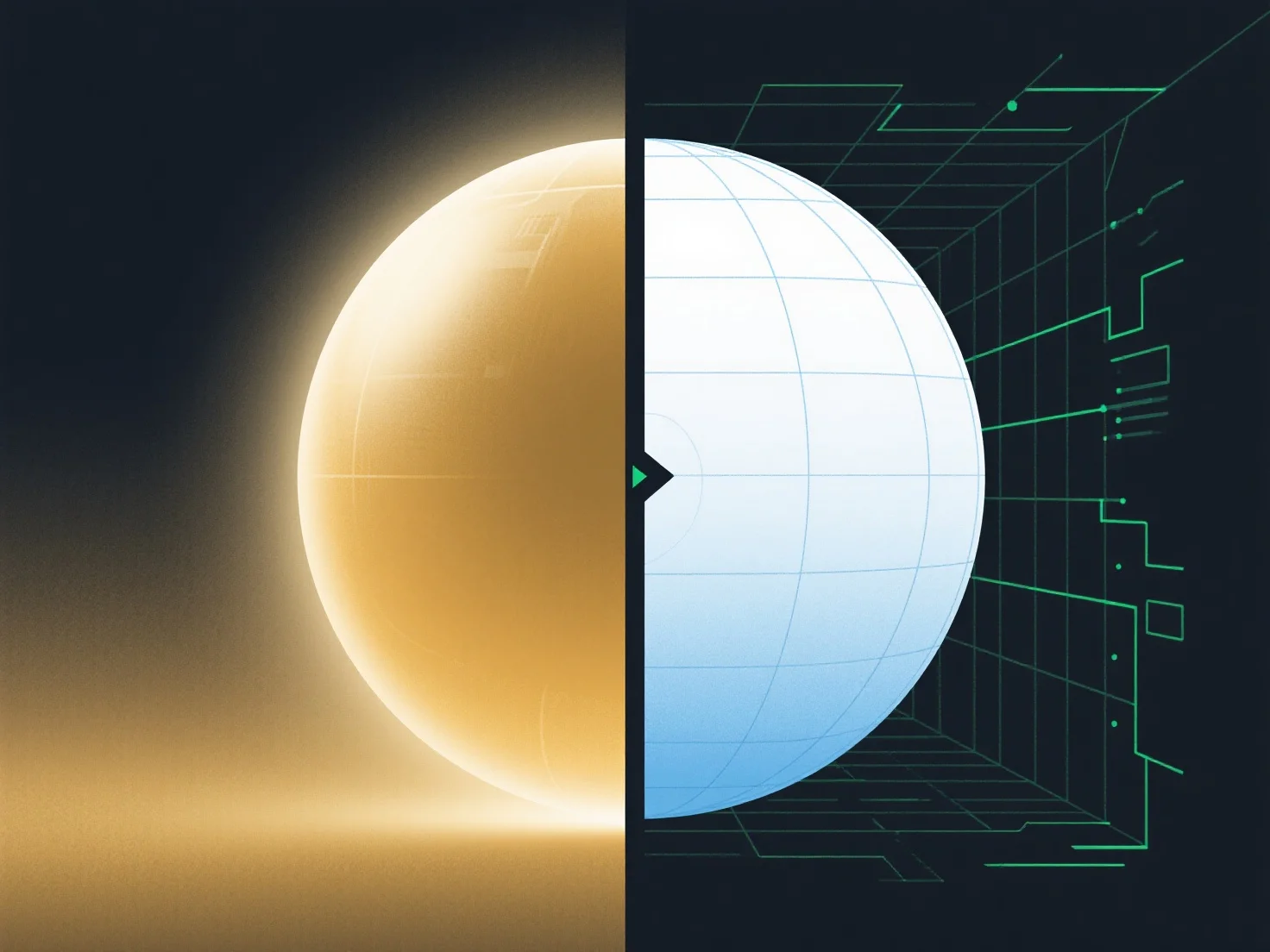
Realisme persepsi dalam 3D berfokus pada menciptakan ilusi realitas sebagaimana dirasakan oleh manusia, sedangkan akurasi fisik mengacu pada kesesuaian yang ketat dengan hukum-hukum fisika dan pengukuran di dunia nyata.
Realisme perseptual menggunakan isyarat visual seperti pencahayaan, tekstur, dan komposisi untuk membuat model "terlihat nyata" di mata, seringkali dengan menyederhanakan detail seperti fisika atau dimensi yang tepat. Sebaliknya, akurasi fisik memastikan model tersebut secara tepat sesuai dengan sifat-sifat dunia nyata seperti ukuran, massa, atau perilaku material, yang sangat penting untuk aplikasi fungsional atau ilmiah.
Dalam praktiknya, prioritaskan berdasarkan tujuan: hiburan atau visualisasi mungkin mengandalkan realisme perseptual, sedangkan simulasi teknik atau desain produk biasanya membutuhkan akurasi fisik.