


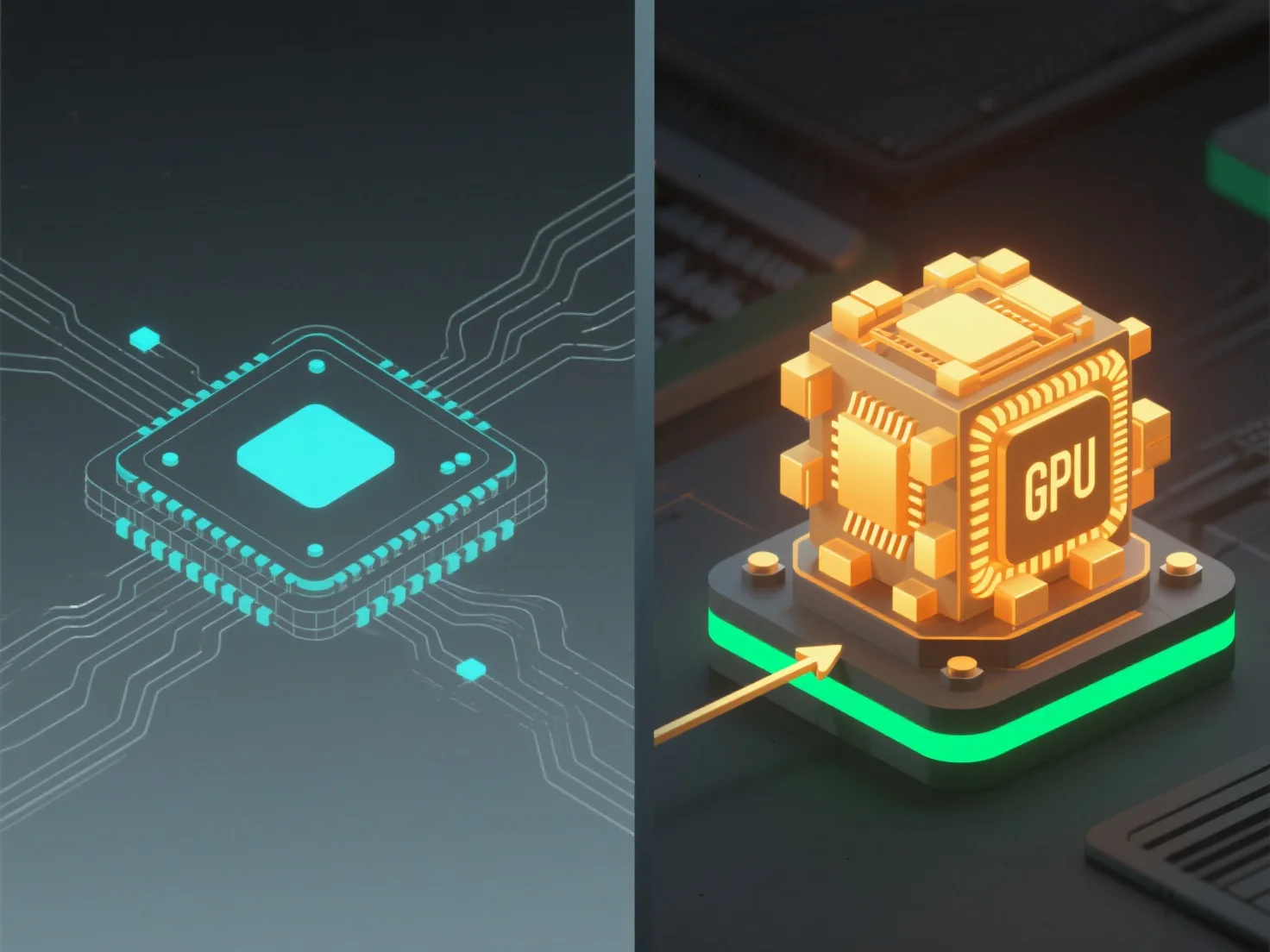
Akselerasi GPU secara signifikan meningkatkan kinerja rendering 3D dengan memanfaatkan pemrosesan paralel untuk menangani tugas-tugas rendering secara lebih efisien daripada alur kerja yang hanya menggunakan CPU.
GPU memiliki ribuan inti paralel yang dioptimalkan untuk perhitungan simultan, tidak seperti CPU dengan inti yang lebih sedikit dan berdaya tinggi. Arsitektur ini unggul dalam tugas-tugas spesifik rendering seperti pixel shading, pemetaan tekstur, dan perhitungan pencahayaan, yang membutuhkan pemrosesan beberapa titik data sekaligus.
Dengan mengalihkan tugas-tugas ini, akselerasi GPU mengurangi waktu rendering untuk adegan yang kompleks. Seperti yang memiliki jumlah poligon tinggi, tekstur detail, atau efek canggih seperti pelacakan sinar. Hal ini mempersingkat siklus proyek dan meningkatkan efisiensi alur kerja.
Secara ringkas, akselerasi GPU meningkatkan kecepatan, menangani konten dengan detail tinggi dengan lebih baik, dan merampingkan alur kerja rendering 3D, menjadikannya penting bagi para profesional dalam animasi, game, dan visualisasi.