


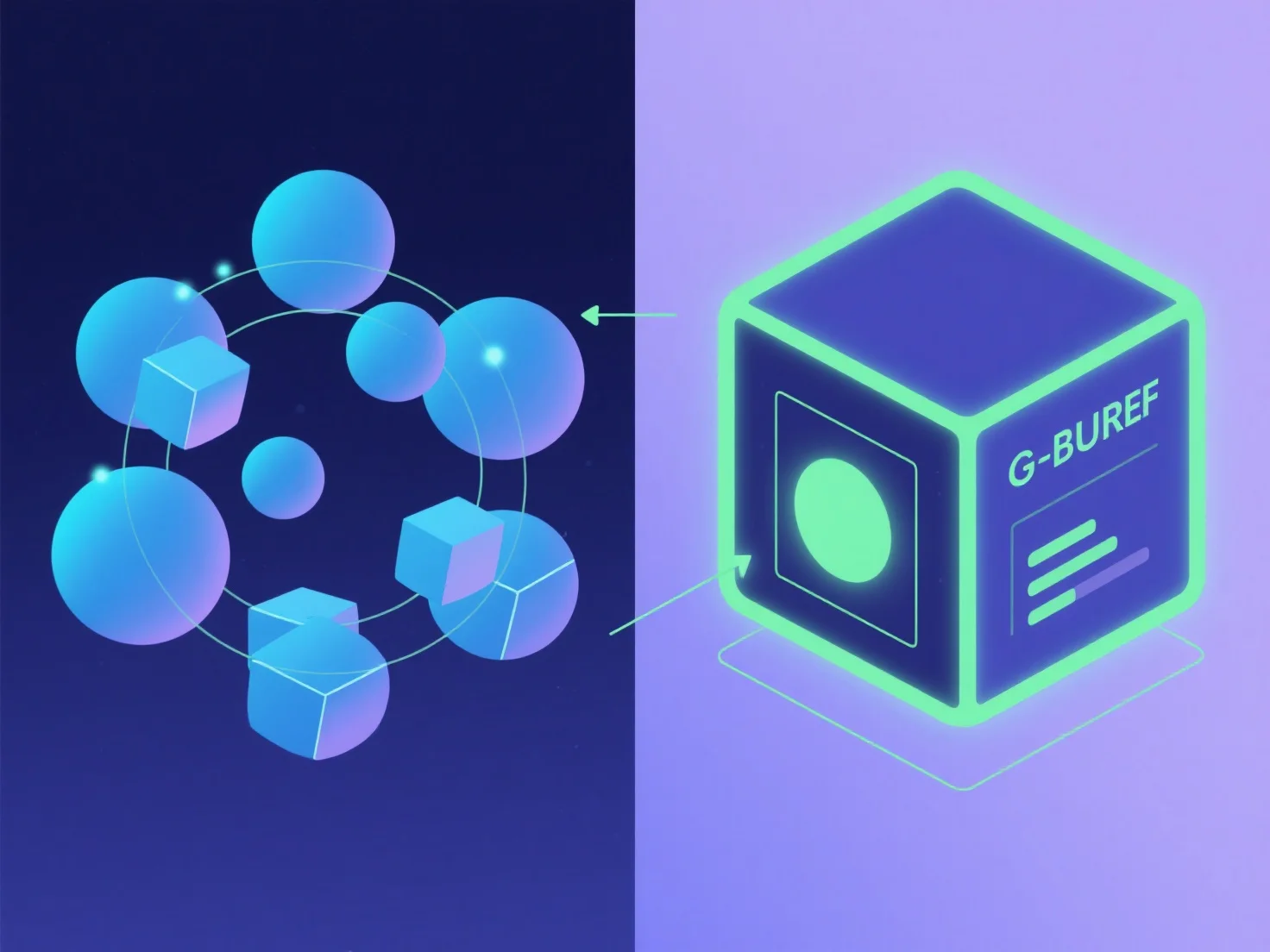
Saat membandingkan rendering maju dan rendering tertunda dalam mesin game 3D, perbedaan utamanya adalah waktu perhitungan pencahayaan: rendering maju menerapkan pencahayaan selama rendering objek, sedangkan rendering tertunda menunda pencahayaan sampai setelah mengumpulkan data geometri.
Proses rendering maju memproses setiap objek dan materialnya, serta menghitung efek pencahayaan.
Render tertunda pertama-tama merender semua geometri ke "G-buffer" (menyimpan data seperti posisi, normal, albedo), lalu menerapkan pencahayaan ke seluruh adegan menggunakan buffer yang telah dihitung ini. Pendekatan ini sangat baik untuk banyak lampu, karena pencahayaan dihitung sekali per piksel daripada per objek.
Untuk game dengan sedikit lampu dinamis, forward rendering praktis karena kesederhanaannya; untuk adegan dengan banyak lampu.