


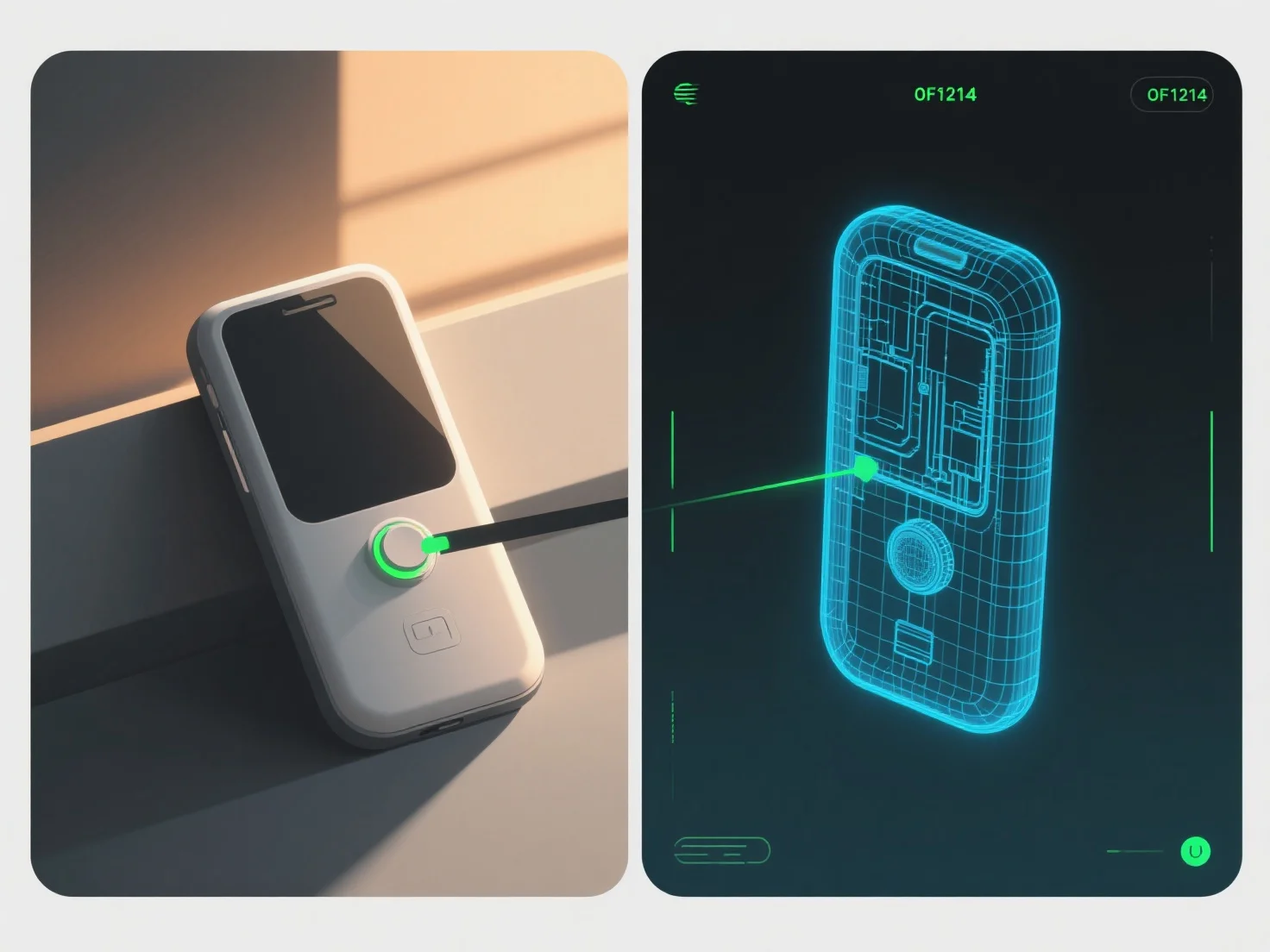
Pemodelan 3D mendukung evaluasi fitur produk dengan memungkinkan visualisasi digital terperinci, pengujian interaktif, dan optimasi awal, meningkatkan akurasi dan mengurangi biaya pengembangan.
Visualisasi terperinci: Ini menciptakan replika digital yang tepat, memungkinkan tim untuk memeriksa dimensi, tekstur material, dan interaksi komponen dengan jelas, memastikan keselarasan dengan spesifikasi desain.
Pengujian interaktif: Desainer dapat mensimulasikan skenario dunia nyata.
Optimasi awal: Dengan memungkinkan penyesuaian iteratif di ruang digital, ini mengurangi ketergantungan pada model fisik yang mahal, memungkinkan perbaikan cepat untuk memastikan fitur memenuhi tujuan kinerja.
Secara keseluruhan, pemodelan 3D mempermudah evaluasi melalui kejelasan visual, pengujian praktis, dan efisiensi biaya, serta mempercepat validasi fitur-fitur produk.