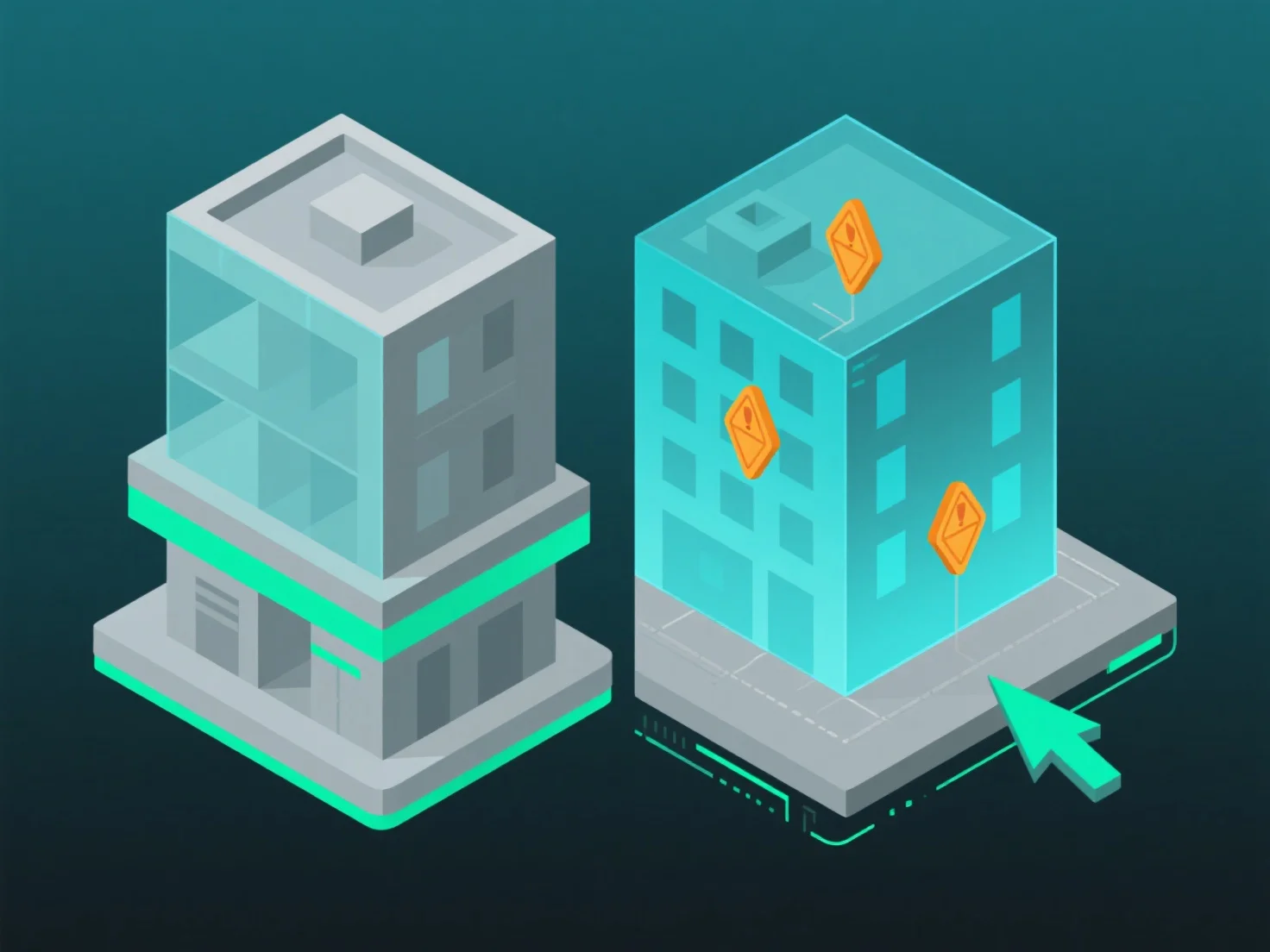
Pemodelan 3D meningkatkan kontrol risiko proyek dengan memungkinkan simulasi visual dan deteksi masalah dini, mengurangi kesalahan dan penundaan. Ini mengubah data desain abstrak menjadi visual 3D yang nyata, membantu tim mengidentifikasi potensi konflik. seperti bentrokan antara sistem bangunan (misalnya, pipa ledeng dan listrik dalam konstruksi) atau cacat desain dalam prototipe manufaktur. sebelum pelaksanaan. Selain itu, ini memungkinkan pengujian pengaturan spasial yang kompleks, menunjukkan masalah logistik (misalnya, akses material) terlebih dahulu untuk mengurangi kebutuhan pengerjaan ulang. Secara keseluruhan, pemodelan 3D meminimalkan risiko yang tidak terduga, memastikan alur proyek yang lebih lancar dan penggunaan sumber daya yang optimal.


Bagaimana pemodelan 3D meningkatkan kontrol risiko dalam proyek?
Pemodelan 3D mengurangi risiko proyek melalui simulasi visual, deteksi masalah awal, dan identifikasi konflik, memastikan alur yang lebih lancar dan penggunaan sumber daya yang efisien.