


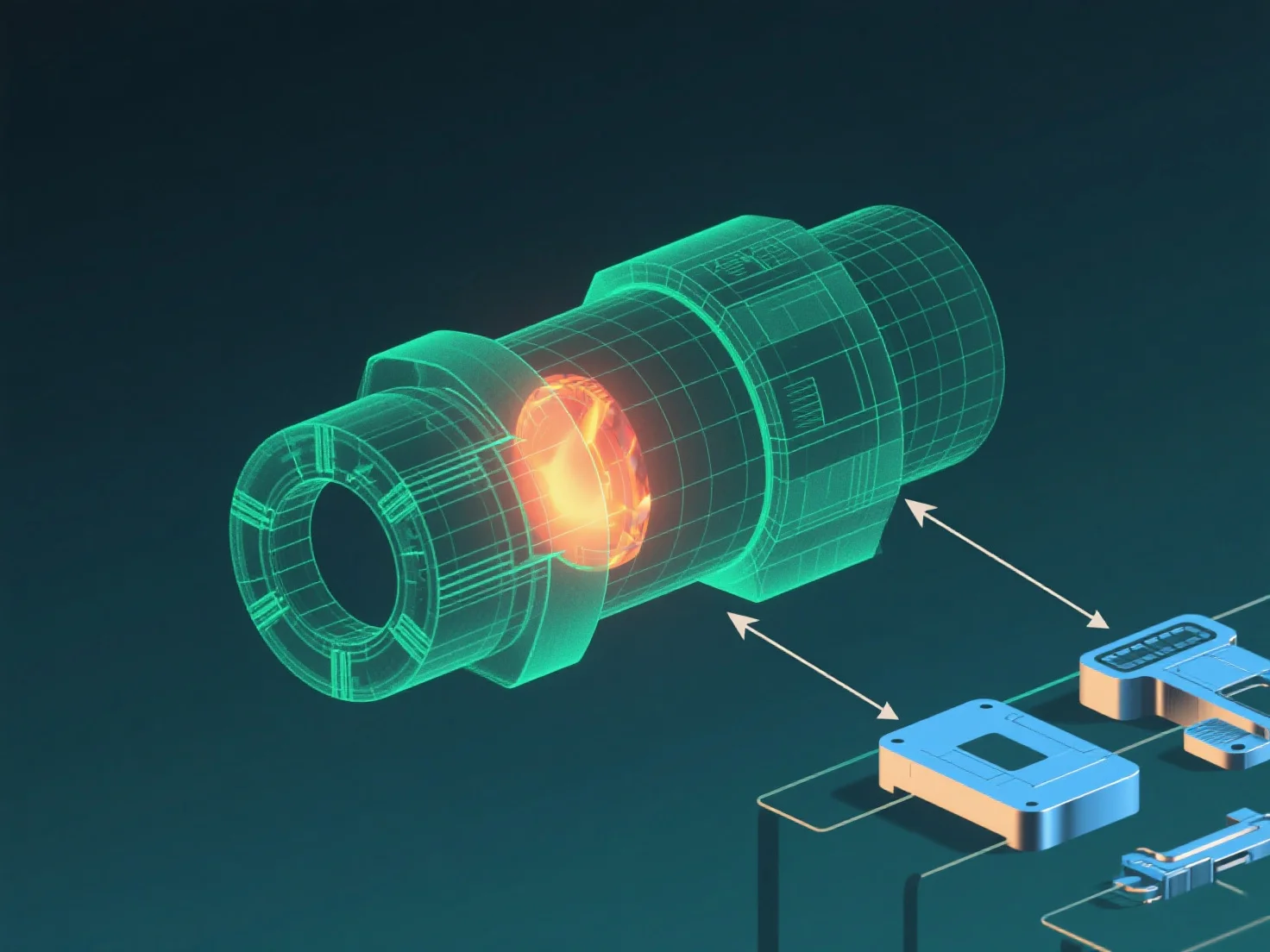
Pemodelan 3D membantu fase pengujian terakhir dengan memungkinkan simulasi dan visualisasi virtual, membantu mengidentifikasi masalah sejak dini, dan mengurangi ketergantungan pada prototipe fisik.
- **Simulasi virtual kondisi dunia nyata**: Ini memungkinkan tim untuk mensimulasikan stres struktural, gerakan operasional, atau dampak lingkungan, mendeteksi cacat desain, kesalahan fungsional, atau kemacetan kinerja tanpa prototipe fisik. - **Efisiensi biaya dan waktu**: Tes virtual dapat diulang dan disesuaikan, menangkap masalah sejak dini untuk menghindari iterasi fisik yang mahal, sehingga memotong waktu dan biaya pengujian. - **Keselarasan pemangku kepentingan**: Model 3D memfasilitasi pengujian kolaboratif, memastikan pemangku kepentingan menyesuaikan kinerja desain dalam berbagai skenario, meningkatkan akurasi pengujian.
Ini menyederhanakan pengujian, membuatnya lebih efisien dan dapat diandalkan.