


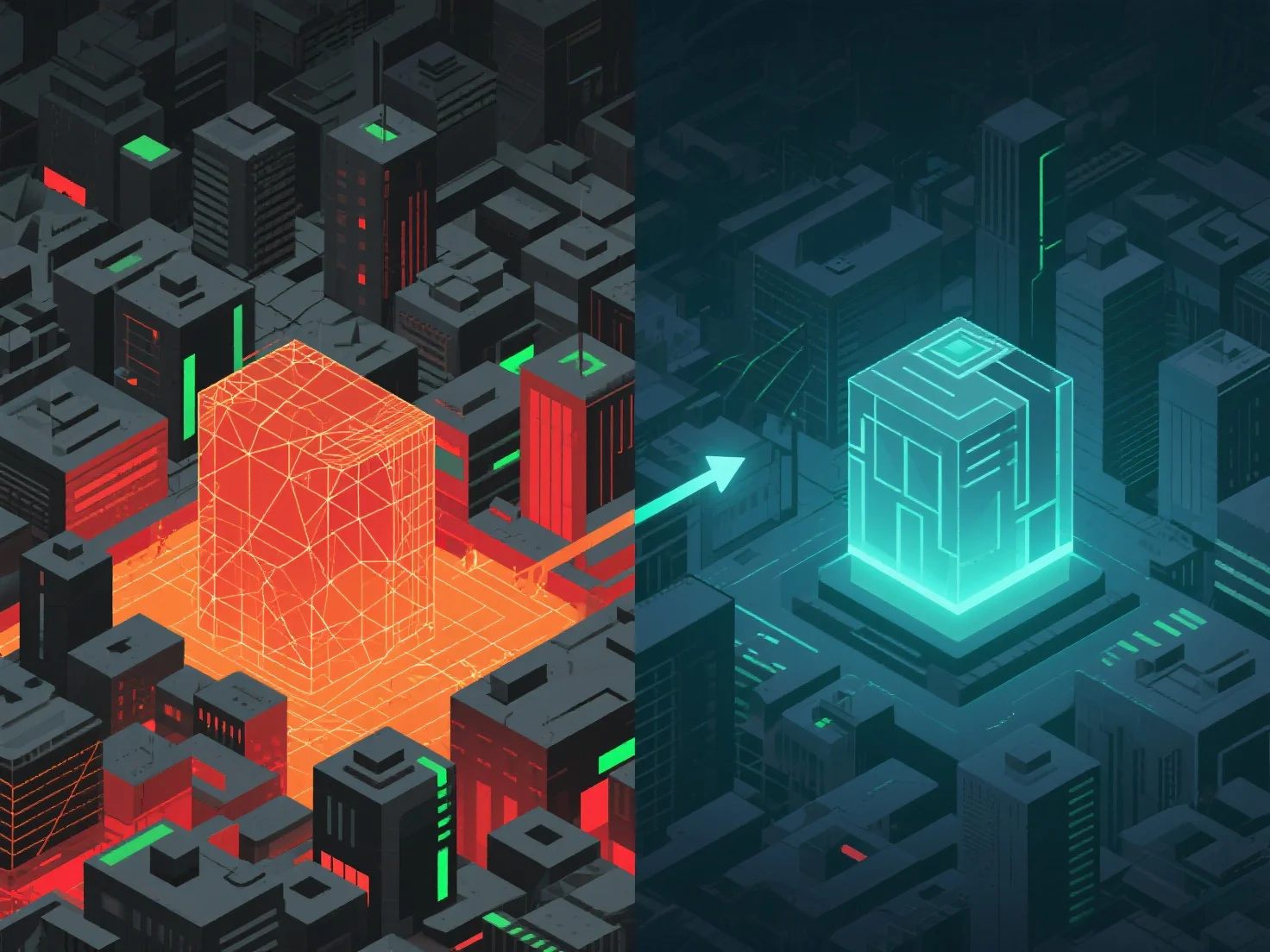
Untuk mengatasi batasan rendering dan kinerja dalam adegan 3D yang kompleks, strategi inti termasuk mengoptimalkan geometri.
Teknik-teknik utama terbagi menjadi: - **LOD**: Mengurangi jumlah poligon untuk objek yang jauh, menyesuaikan detail secara dinamis berdasarkan jarak kamera. - **Occlusion culling**: Menyembunyikan elemen di luar layar atau yang terhalang, hanya merender bagian-bagian adegan yang terlihat. - **Kompresi tekstur**: Mengurangi penggunaan memori dengan mengompresi tekstur tanpa kehilangan visual yang signifikan. - **Simplifikasi shader**: Menyederhanakan shader untuk perangkat keras yang kurang mumpuni, mengurangi overhead rendering.
Untuk masalah yang terus-menerus, prioritaskan LOD dan pemangkasan oklusi terlebih dahulu, lalu gunakan alat profiling untuk menentukan kemacetan untuk optimasi yang ditargetkan.