Home/Hitem3D FAQ/How do texture mapping standards impact 3D model consistency?

How do texture mapping standards impact 3D model consistency?

Texture mapping standards enhance 3D model consistency via uniform texture data rules, reducing discrepancies and streamlining collaboration.

How do texture mapping standards impact 3D model consistency?

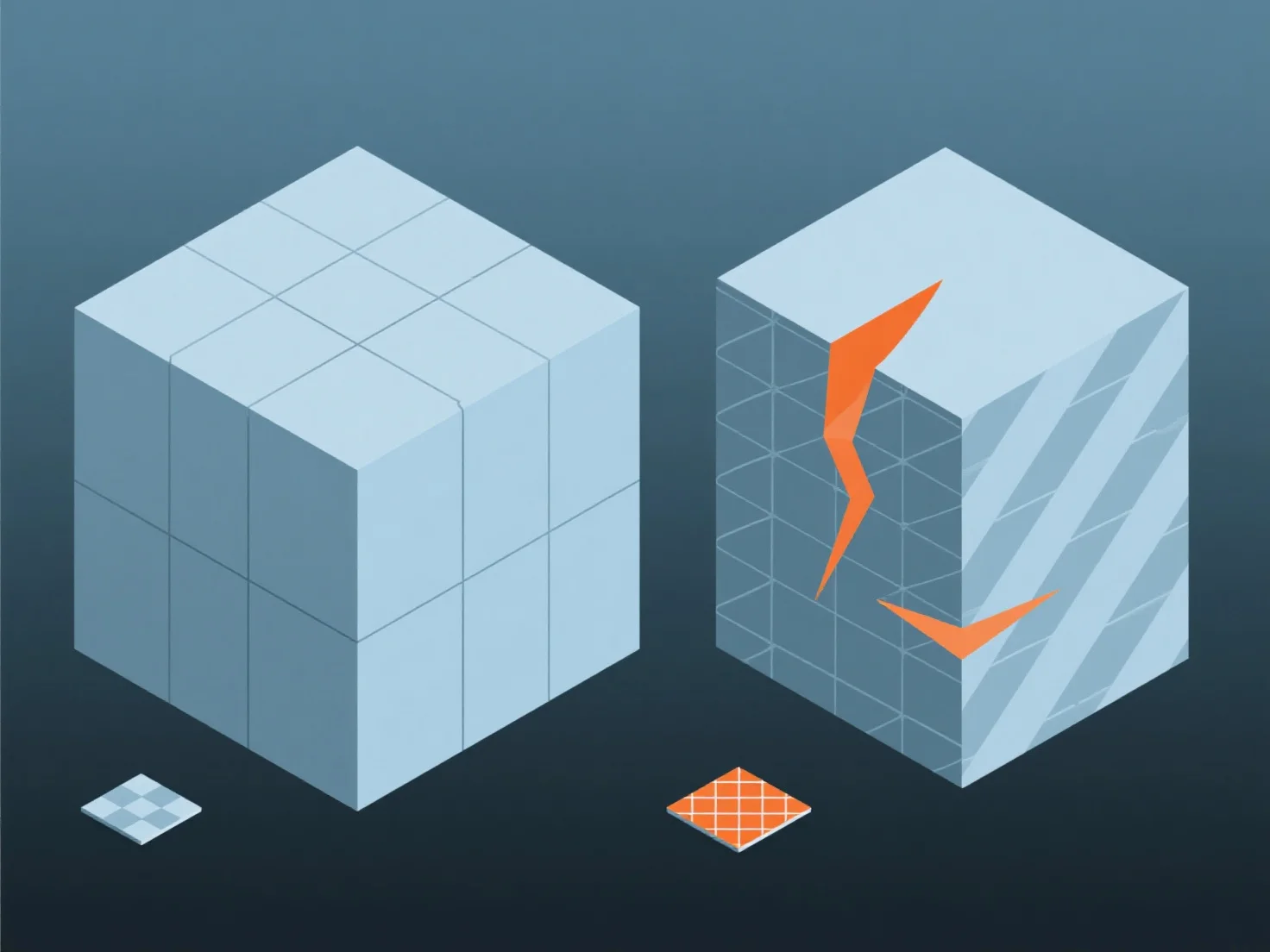
Texture mapping standards directly enhance 3D model consistency by establishing uniform rules for texture data handling across tools, teams, and platforms.

Key impacts include: - Standardizing texture coordinates (UV mapping), preventing stretching or misalignment when models are transferred between software. - Defining file formats (e.g., PNG, JPEG) and resolution guidelines, ensuring textures display consistently in different rendering engines. - Aligning rendering parameters (e.g., PBR metallic/roughness values), maintaining color and material appearance across projects.

By enforcing these rules, standards reduce visual discrepancies, streamline collaboration (e.g., in game development or VFX), and ensure models retain their intended look across workflows.

PreviousNext
Produk
Web Studio
Platform API
Fitur
Gambar ke 3D
Multi-view ke 3D
Relief
Segmentasi
Model
Model Umum
Model Potret
Sumber Daya
Blog
FAQ
Dokumentasi API
Tentang Kami
Harga