


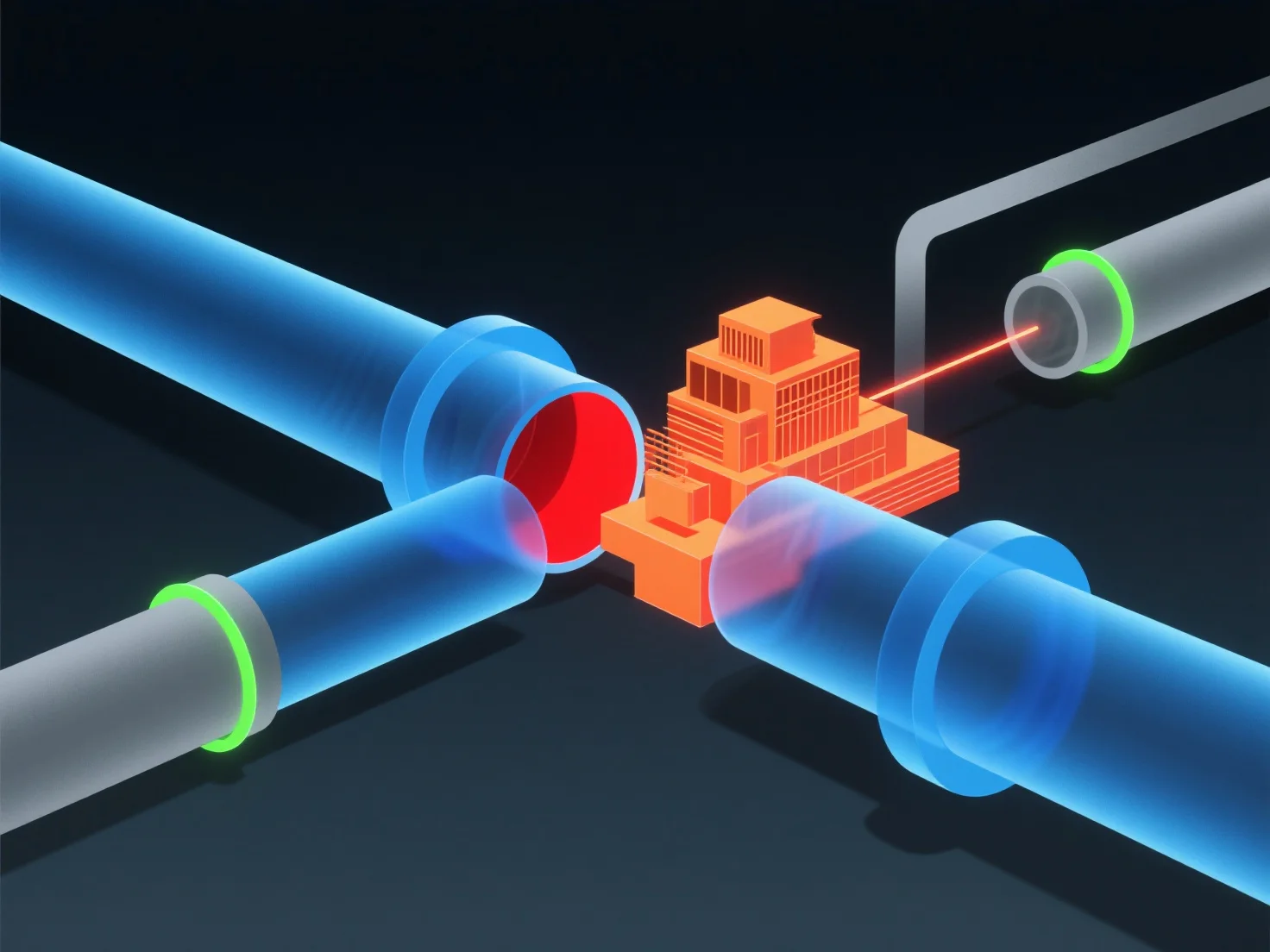
Kemacetan kinerja mengancam sistem 3D real-time dengan menyebabkan masalah kritis seperti rendering yang tertunda, penurunan frame, atau interaksi pengguna yang tidak responsif, melanggar persyaratan inti sistem untuk output visual yang halus dan berlatensi rendah.
Ancaman utama termasuk: - **Pengalaman Pengguna yang Buruk**: Penurunan frame atau keterlambatan yang sering mengganggu imersi, membuat interaksi menjadi tidak stabil (misalnya, animasi yang tidak lancar dalam game atau respons AR yang tertunda). - **Ketidakstabilan Sistem**: Perangkat keras/perangkat lunak yang kelebihan beban dapat mogok saat beban tinggi (misalnya, adegan kompleks dengan banyak poligon atau pencahayaan dinamis). - **Keterbatasan Fungsional**: Kemacetan membatasi penanganan fitur-fitur canggih.
Masalah-masalah ini secara kolektif merusak keandalan dan efektivitas sistem 3D real-time di seluruh permainan, simulasi, dan visualisasi profesional.