


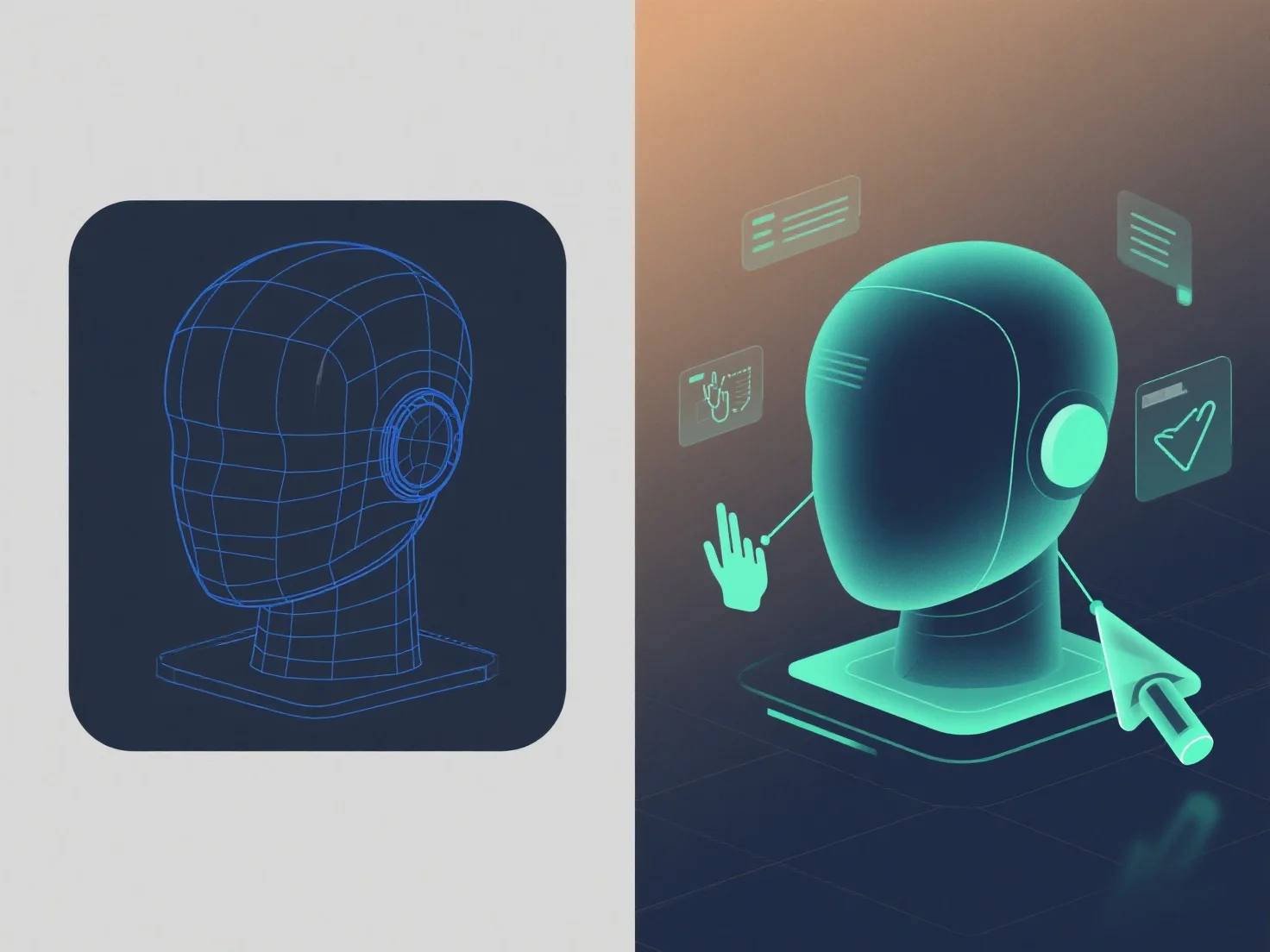
Dalam skenario pembelajaran, model 3D interaktif umumnya mengungguli yang statis dengan menawarkan pengalaman yang lebih menarik dan langsung, yang meningkatkan pemahaman dan retensi.
Tidak seperti model statis, yang menyajikan pandangan satu dimensi yang tetap, model 3D interaktif memungkinkan pelajar untuk secara aktif memanipulasi, memutar, memperbesar, atau "membedah" elemen. untuk menjelajahi detail dari berbagai sudut, mendorong keterlibatan yang lebih dalam.
Mereka unggul dalam mengklarifikasi hubungan spasial yang kompleks.
Model interaktif juga meningkatkan retensi: eksplorasi aktif menciptakan pengalaman yang lebih berkesan daripada menonton model statis secara pasif.
Secara keseluruhan, meskipun model statis membantu demo dasar, model 3D interaktif mendorong pembelajaran yang imersif dan dinamis, menjadikannya alat utama untuk pendidikan modern.